

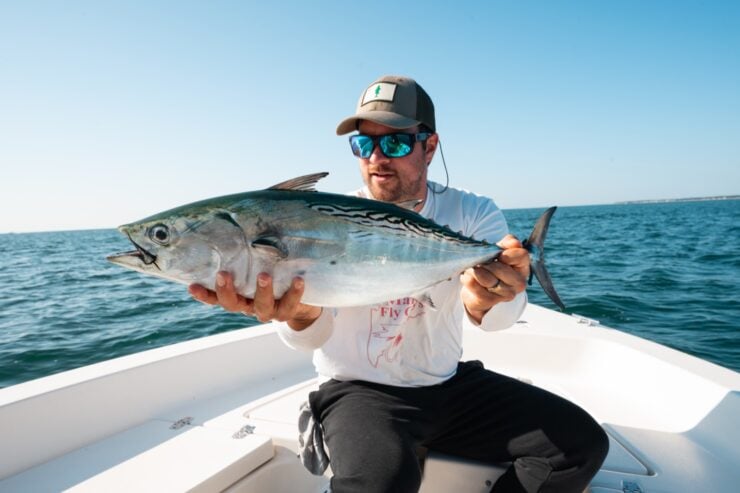
When Greg was 18, he had to choose between gas money to get home from college and a new fly line. He never forgot how crazy that felt. Today he’s a professor who teaches ecology, and on the side he runs Maine Fly Guys, a company built on conservation, education and affordability. It sells premium hand-tied flies alongside fly fishing gear priced for working families and kids just getting into the sport, and it has grown with no outside money at all.
We sent Greg a few questions by email. His answers are below in his own words, trimmed only for length.
Every fly you show on Instagram is for sale. Which pattern is your best seller, and which one do you wish more people would try?
Greg: By far my best seller is the hot head leech. I’ve sold thousands of these over the past few years and I really love tying them to be honest. They crush trout and salmon too, it’s a win win.
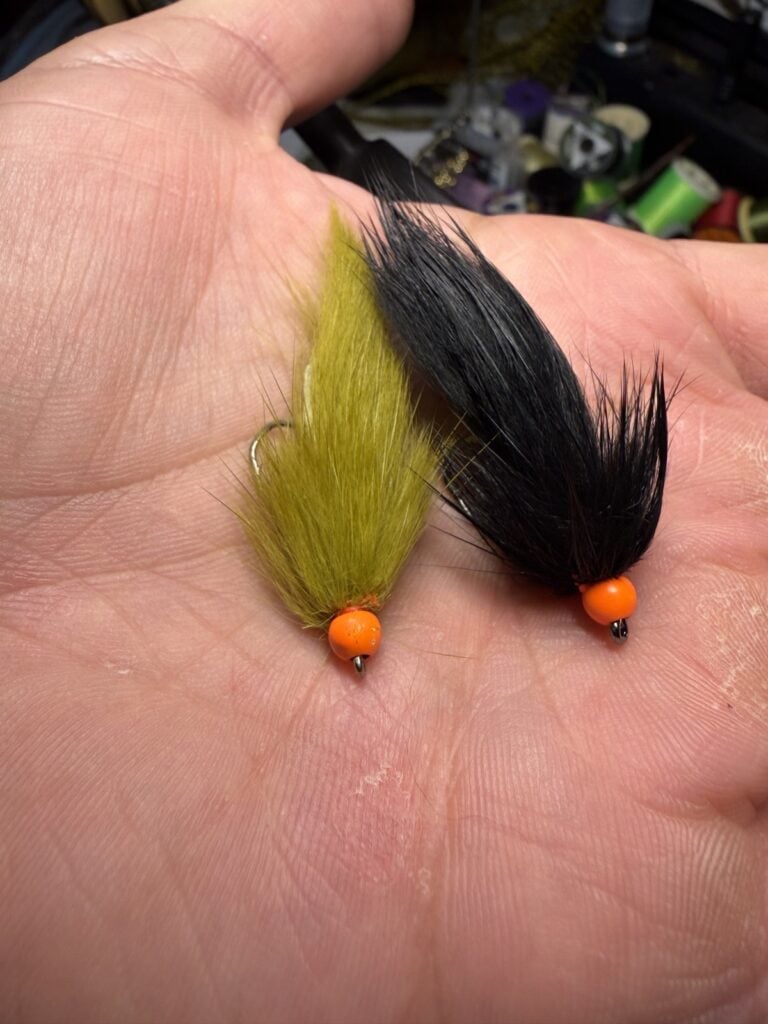
Photo courtesy of Greg of Maine Fly Guys, used with permission.
I wish people would try more retrievers. These flies crush and I think people overlook them because they don’t know about them.
Tell us about Greg’s Pupa. How did that pattern come about, and how do you like to fish it?
Greg: It came from a very peculiar moment on the Rapid River in western Maine. I was sitting down and having a snack mid day. A caddis bumped into my leg and was stuck in its case, so I just picked it up and looked at the case. The case had a pretty specific formation and it looked a bit different than I had seen in my entomology books and thus the fly was born.
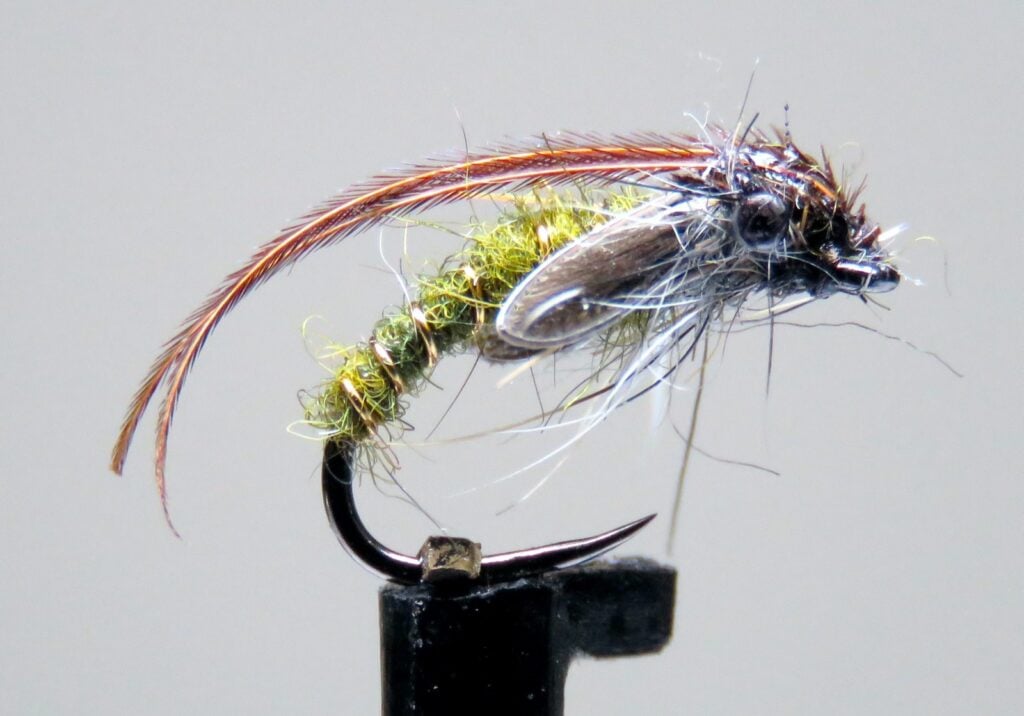
Photo courtesy of Greg of Maine Fly Guys, used with permission.
I only swing it in the film of the water, usually on a 9′ 5x fluoro leader.
What makes Maine such a special place to fly fish, and is there a river or water type you’d point a visiting angler toward first?
Greg: As a Mainer, there is really only one way to answer this and that is: Maine isn’t special, people should look elsewhere. New York I’ve heard is great 🙂
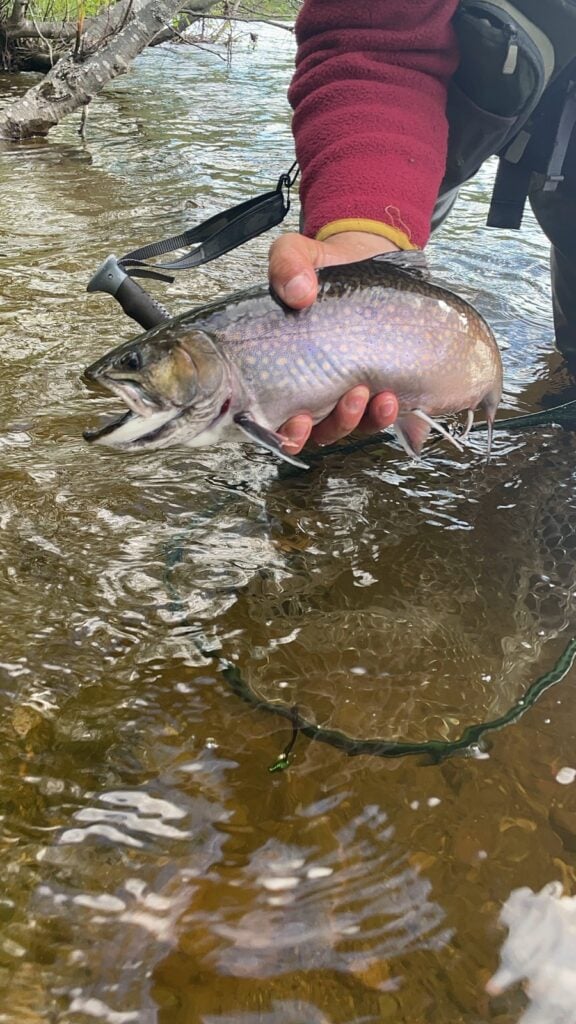
Photo courtesy of Greg of Maine Fly Guys, used with permission.
How did Maine Fly Guys get started, and why?
Greg: Well, when I was 18, I had to make the real choice of either buying gas money to get home from college or a new fly line. I always thought that was insane. I also spent like $100,000 on fisheries education and now I’m a professor who teaches ecology and cell molec, so I felt like I was wasting my education.
So, I wanted to start a company that provided educational information as well as affordable products. To my surprise, the thirst for educational material was there and people really loved it. So now, I have a company that is built on conservation, education, and affordability.
We started out with just fly boxes and tippet, but now we sell pretty much every piece of fly fishing gear for a fraction of the price. The gear is great and the cost makes getting into the sport available for all.
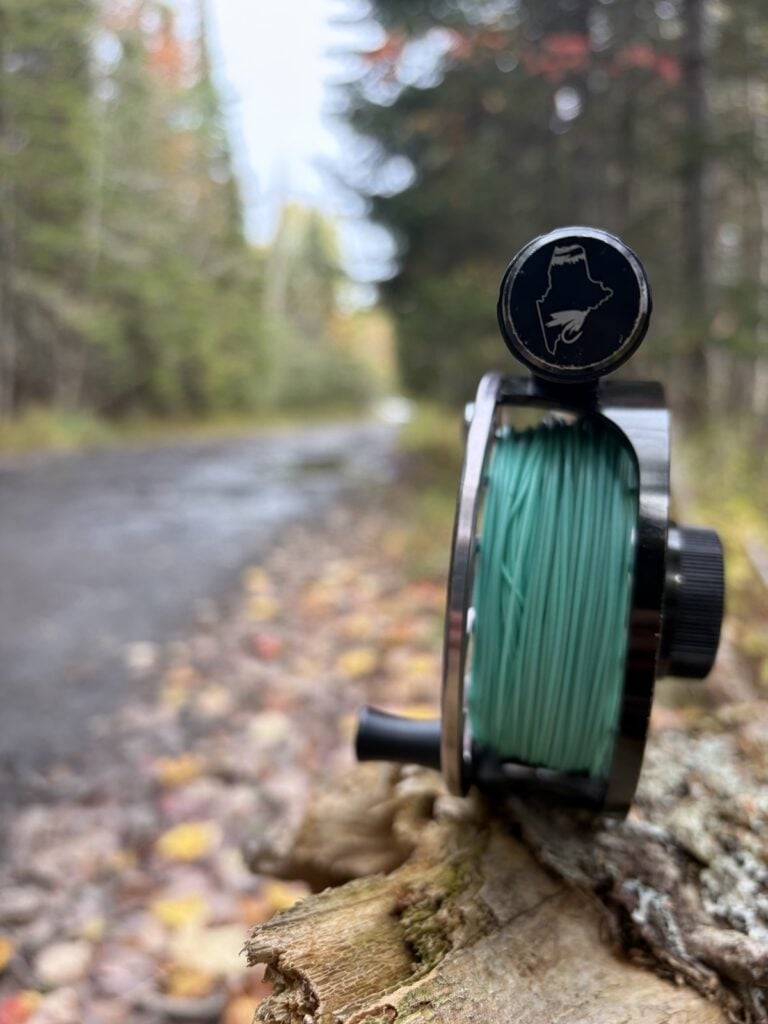
Photo courtesy of Greg of Maine Fly Guys, used with permission.
We are also aware that anglers can do damage to fisheries, and thus I felt it important to pair the educational aspect with affordability.
When did you know you had something real?
Greg: I still don’t know if it’s real. I still feel as though it’s just a fun side project I am doing. I’m a professor in the real world. I make almost no money on the company because my items are priced like they were in 2010.
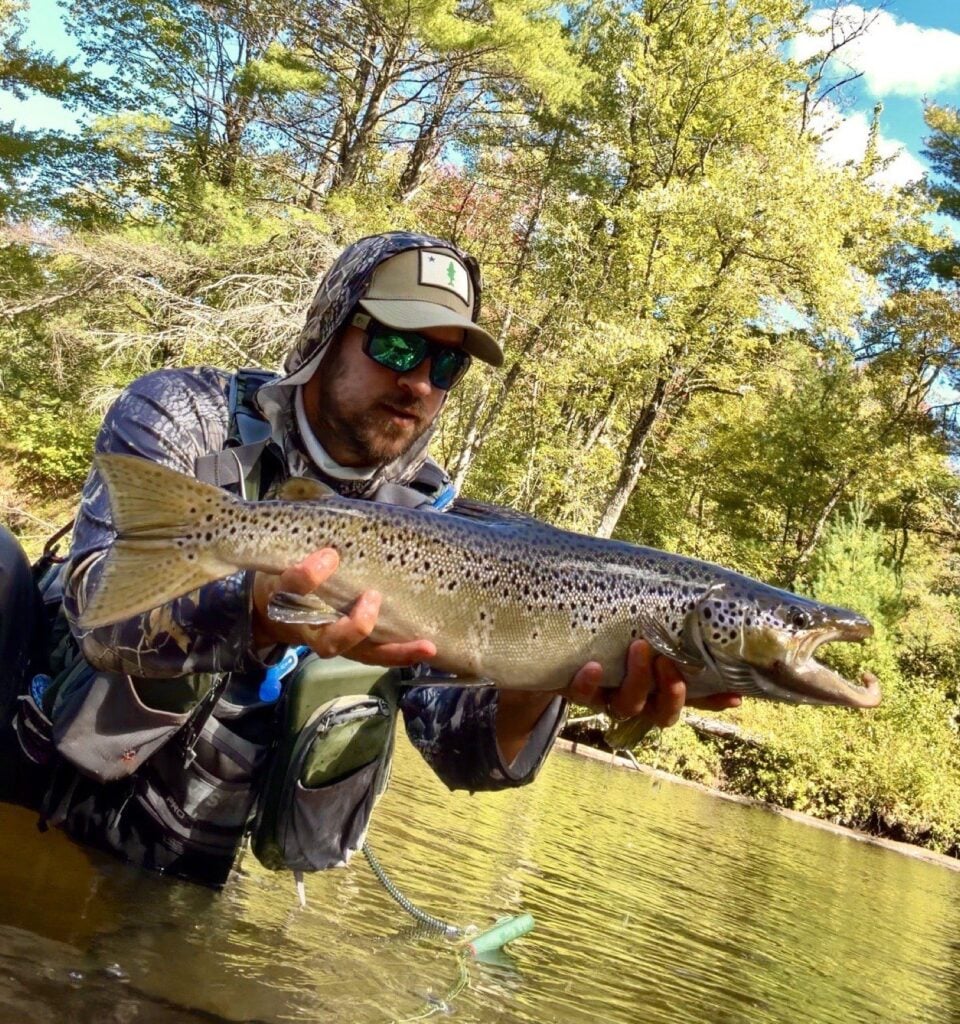
Photo courtesy of Greg of Maine Fly Guys, used with permission.
People are pretty skeptical at first and then they try it and are like, oh, this is the same quality as Rio and Sage and Orvis. So, I still don’t feel the realness, but maybe it’s better that way.
What was the hardest part of getting it off the ground?
Greg: Spending $0 getting it going. That was probably the hardest part. I’ve invested basically no money into the company and it’s a self sustaining machine now.
That and getting folks to actually believe a $50 line can outcompete a $120 line or a $100 rod can be as good as a $500 rod. That’s been challenging, but I think people are starting to catch on. 80% of our customers are repeat customers. Again, getting people on board is hard, but once they are on the ship, they typically don’t leave.
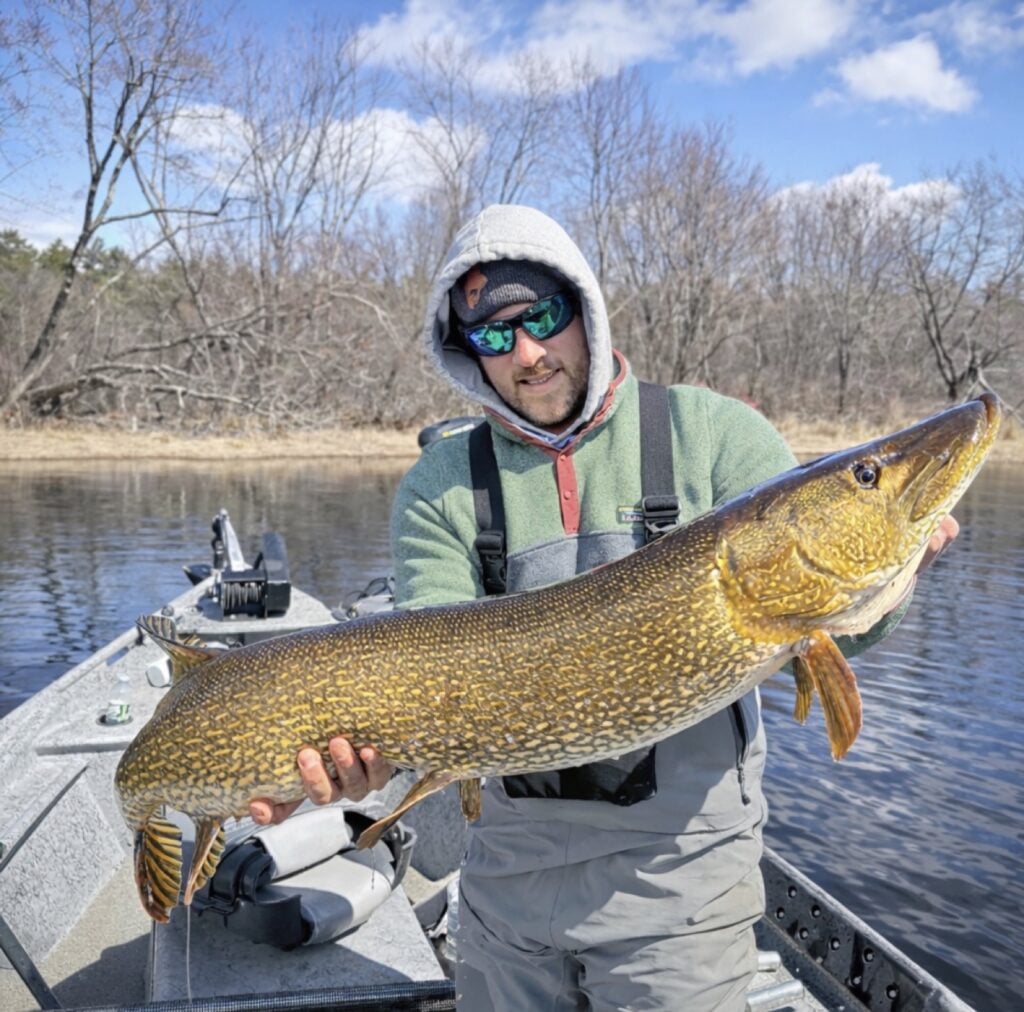
Photo courtesy of Greg of Maine Fly Guys, used with permission.
Who are your customers, and who do you picture when you’re tying or designing something new?
Greg: My customers are working class people. Kids who are getting into the sport. Dads who don’t have $1000 to spend on a new fly rod. My customers for my gear and my flies are two different people.
My flies are premium flies, there isn’t a way to sell them for cheap given the current cost of materials. People who want the best flies for a reasonable price, that’s who I am imagining for my flies.
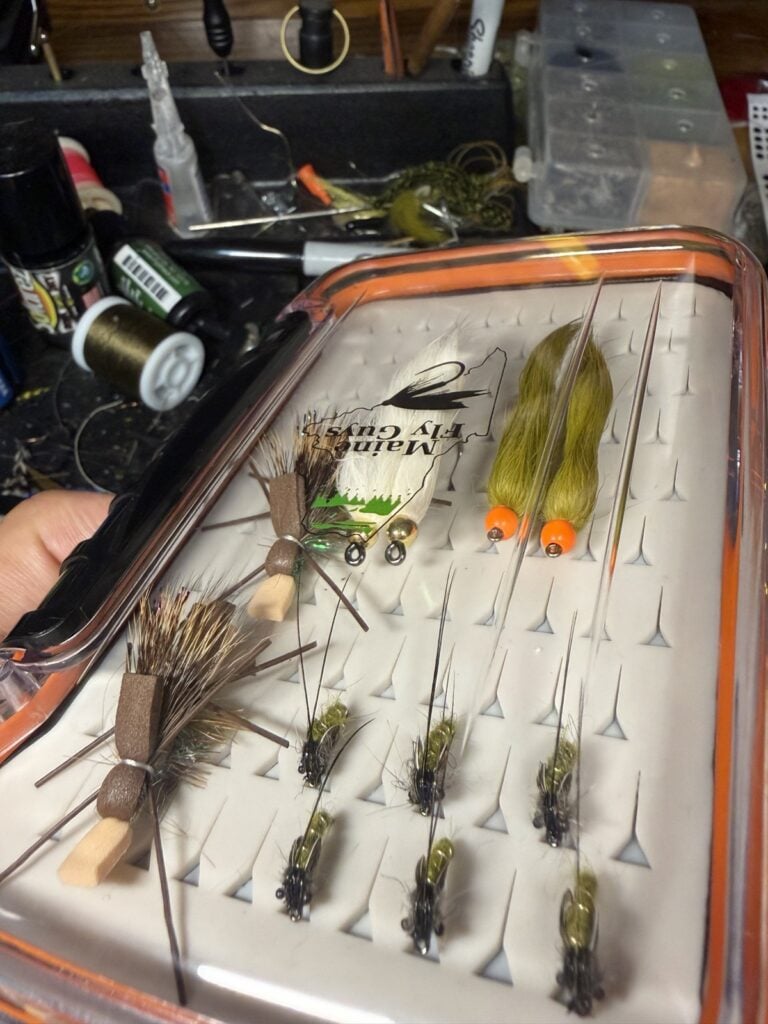
Photo courtesy of Greg of Maine Fly Guys, used with permission.
All my other gear, that is for the kids getting into fly fishing, the working class people who want to enjoy the sport but not empty their wallets. That is who I am imagining. I’m really imagining the average Mainer. The adult who goes to work 9 to 5, comes home, loves their kids and wants to go catch a few fish a few Sundays of the year. It turns out that isn’t just Mainers, that’s the majority of America. Which in part is why I think we’ve been able to self-sustain for so long.
What’s next for Maine Fly Guys that you’re most excited about?
Greg: I have started a Substack to discuss relevant fisheries issues in Maine and across the USA. My first article talked about the blue wave and how it may impact brook trout. The subs have been pouring in a lot faster than anticipated! I’m hoping to continue that for several years!
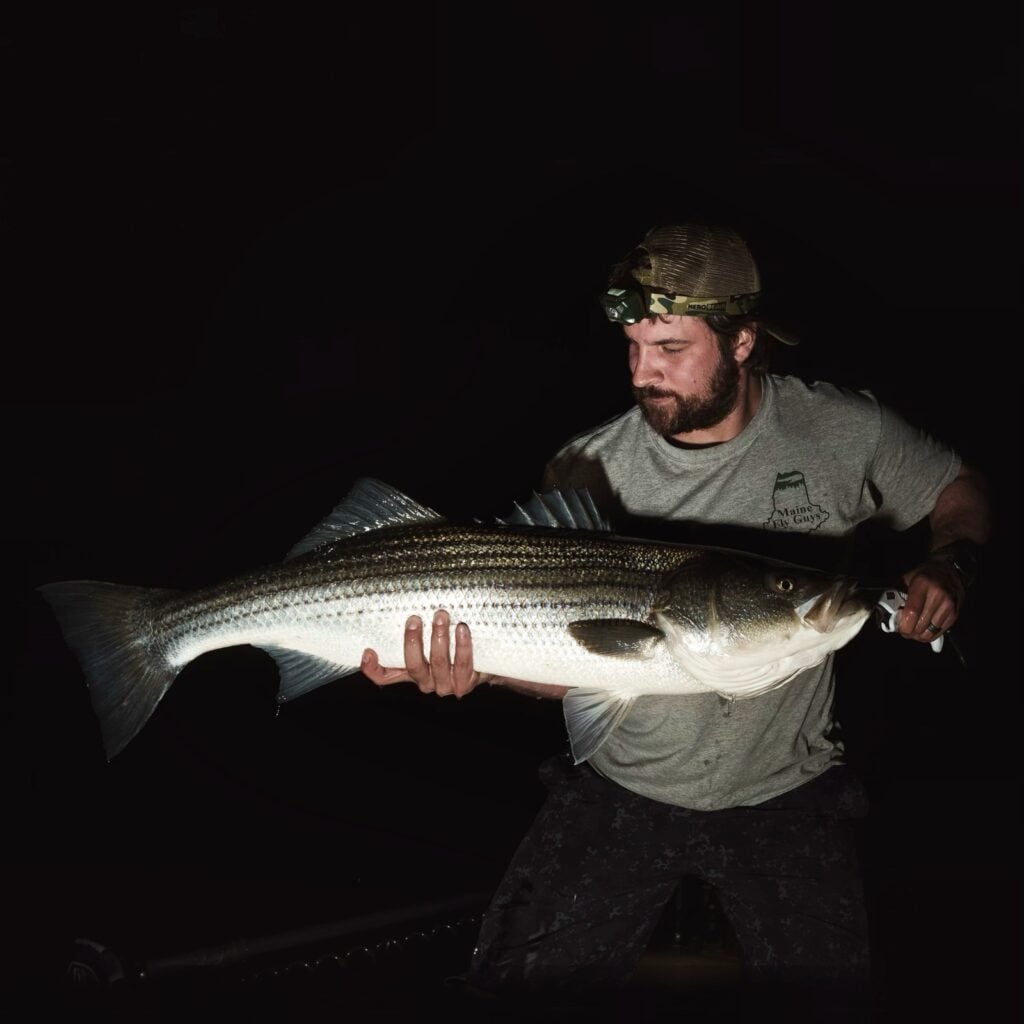
Photo courtesy of Greg of Maine Fly Guys, used with permission.
Follow Maine Fly Guys
Thanks to Greg for sharing his story, his flies and his photos with us. You can shop the flies and gear, and read his fisheries writing, through the links below.
- Website: maineflyguys.com
- Instagram: @maineflyguys
- Substack: substack.com/@maineflyguys
- Location: Maine, USA
All photos courtesy of Greg of Maine Fly Guys, used with permission.


Add comment