


Oregon has a lot of good fishing lakes, but it’s not clear which lakes are actually a good destination. I have spent a lot of time fishing in Oregon, but I wanted to get input from other people to make this list. I gathered a ton of suggestions from local fishermen, and then I also asked our social media followers which fishing lakes they frequent and have the best stories about.
After all that, I put together a list of what I believe are the 30 best fishing lakes in Oregon. These lakes are a combination of well-known and hidden gems. Some lakes might take a more difficult hike to get to, but EVERY lake is worth the fishing effort. I combined data about overall success rates, and conditions for different species to create this list. Fishing in Oregon is diverse from fishing for trout and bass to kokanee fishing, and all in all a great experience for the casual and dedicated angler.
Let’s get into it. Here are the lakes that stood out the most, straight from Oregon locals and fellow fishing folks.
30. Lost Lake
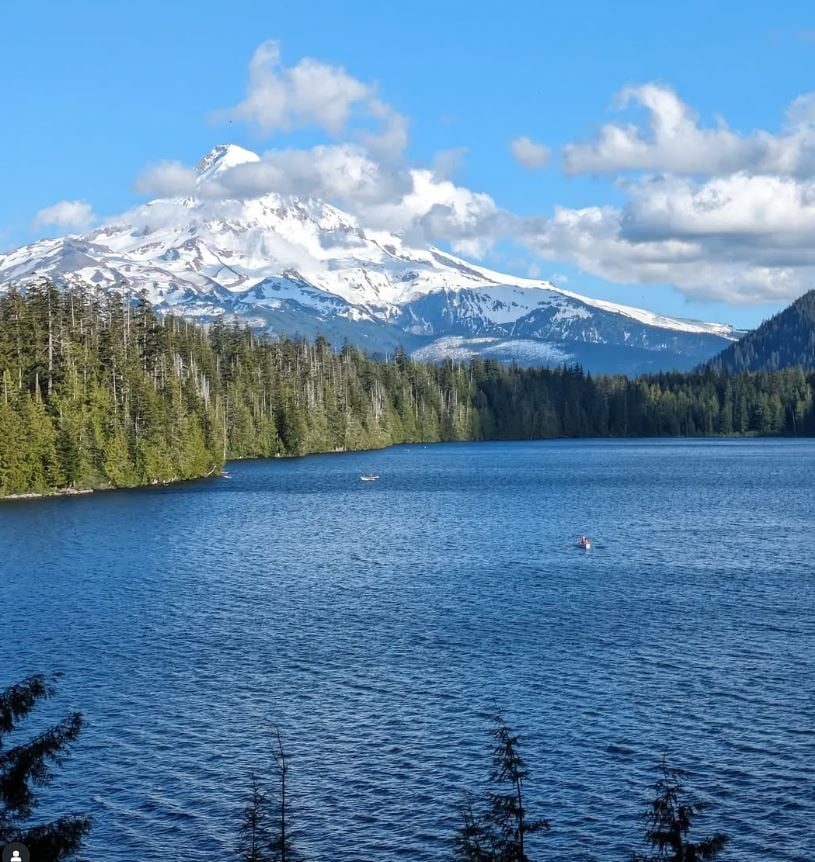
Lost Lake is a great fishing spot near Mount Hood. There is easy access to fishing by a boat ramp and plenty of open shore space. Expect to hook rainbow trout, but I’ve caught brook trout there too; and, if you’re lucky, a larger fish might take the bait. The cold water keeps the fish biting all summer while at other lakes the fish stop biting as the season changes. I prefer fishing with minimal wind, early in the morning, so I recommend you do the same, if you’re bank fishing. If you plan on fishing for more than one day, there’s camping near by.
29. Devils Lake

Devils Lake sits right in the middle of Lincoln City, which makes it one of the easiest places to fish on the entire coast. It’s a freshwater lake just a few blocks from the ocean, stocked with rainbow trout in spring, and you’ll also run into largemouth bass, catfish, and the occasional perch. Boats are welcome, but plenty of folks do just fine from the shore or the docks. It’s small enough to feel manageable while still giving you room to spread out. If you want a lake that pairs easy access with decent fishing and no real hassle, Devils checks both boxes.
28. Trillium Lake
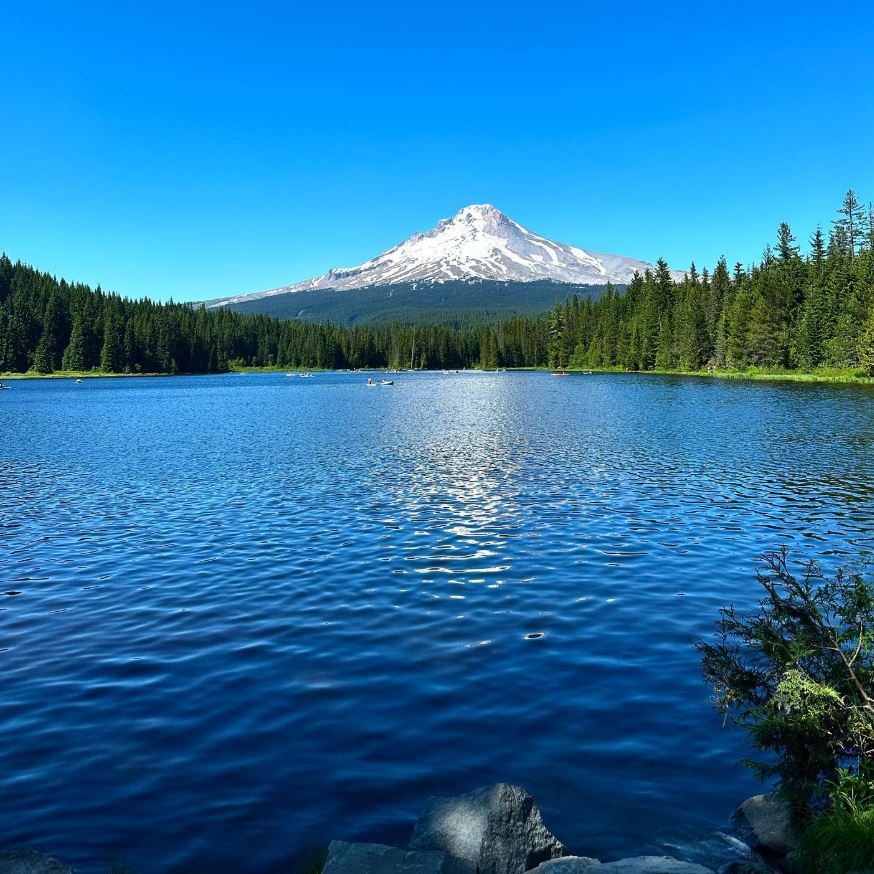
Trillium Lake, just south of Mt. Hood, might be the most photographed lake on this entire list, and it’s a genuine favorite for families and beginners. It’s a small, easy-access lake stocked regularly with rainbow trout through the warmer months, and you can fish it right from the shore, paddle out in a kayak, or cast off the dock near the campground. Early mornings and evenings are best, with spinners or PowerBait doing the job on the stockers. It’s calm and beginner-friendly, and on a clear day the Mt. Hood reflection off the water is hard to top. The fish run average in size, so don’t show up expecting a trophy, but the setting and the convenience more than carry the trip. It opens seasonally, so check ahead in spring or late fall when snow can still be a factor.
27. Little Lava Lake

Little Lava Lake sits quietly along the Cascade Lakes Highway, just upstream of its bigger neighbor, Lava Lake, and it happens to be the headwaters of the Deschutes River. It’s a small, shallow lake ringed by forest and old lava flows, and the fishing here is all about rainbow and brook trout. Fly anglers and float-tubers like to drift near the inlets where cooler water trickles in. You won’t find big crowds or trophy fish, but that’s the whole point, and it has an easygoing rhythm that suits anyone after a simple day on the water with just enough action to stay interesting.
26. Hosmer Lake
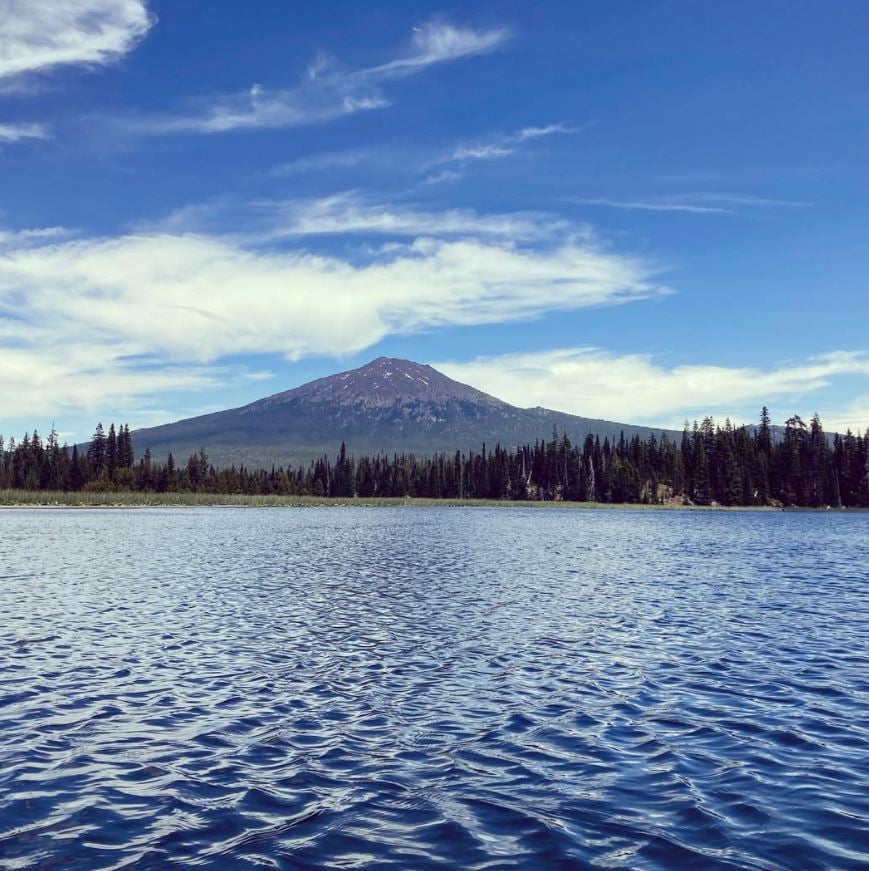
Hosmer Lake sits high in the Cascades near Mount Bachelor, and it’s long been one of the prettiest fly-fishing-only waters in the state. For decades it was famous as Oregon’s only Atlantic salmon lake, but ODFW retired that program back in 2015, and these days the fishery is built on rainbows from the Crane Prairie stock, cutthroat, and big, wily brook trout, with some of those rainbows pushing past 25 inches. The crystal-clear water makes for incredible sight fishing, though it also means the fish can be tough and picky. Everything is catch-and-release with barbless hooks, and motors aren’t allowed, which keeps things peaceful for paddlers and anglers alike. Go early or late to beat both the wind and the kayak crowd.
25. Lava Lake

Lava Lake, just west of Bend, is a solid choice for anyone who likes to keep things simple and trout-focused. You’ll mostly find rainbow and brook trout here, and they bite well from spring through early fall. There’s an easy boat ramp and a small resort with rentals and supplies, and while the lake isn’t huge, there’s plenty of room to cast from a boat or work the shoreline. The nearby mountains make it a relaxing place to spend a weekend. If you want a no-fuss spot that still feels a little remote, Lava Lake fits the bill nicely.
24. Applegate Lake
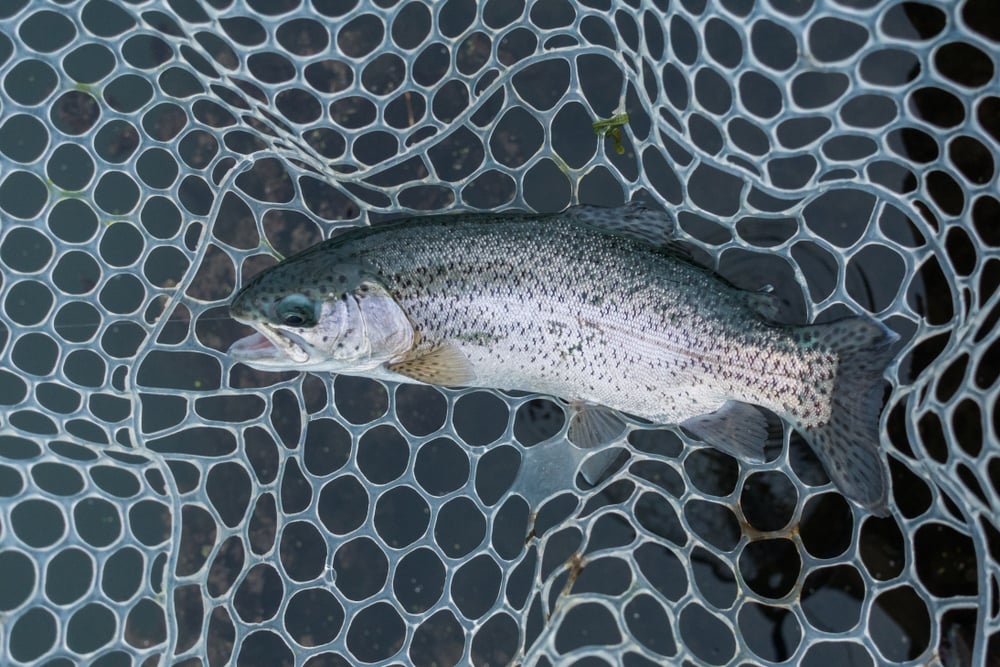
Applegate Lake sits in the mountains of southwest Oregon, close to the California line and tucked into the Rogue River-Siskiyou National Forest. It’s a quieter reservoir that doesn’t get the traffic of the central Cascade lakes, and that’s a big part of its charm. The lake is stocked with rainbow trout and also holds bass for anglers who want to mix things up, and the deep, cool water keeps fishing well into the summer. Water levels rise and fall with irrigation and flood control, so conditions shift through the season, but you’ll find good boat and bank access along with campgrounds and trails if you want to make a weekend of it. If you’re down in the Rogue Valley and want a scenic spot away from the crowds, Applegate is an easy call.
23. Fern Ridge Reservoir

Fern Ridge Reservoir, just west of Eugene, is one of the better warmwater fisheries in the area. It’s best known for largemouth bass, with common carp and yellow bullhead rounding out the mix, and it pulls in plenty of locals for boating and birdwatching thanks to the wildlife areas nearby. Water levels swing with the seasons, so the best fishing usually lands before mid-summer. Access is easy, with several boat ramps and open shoreline to work. It’s not the biggest or deepest water around, but it’s dependable and productive if you know when to go, and it makes for a great laid-back day with the rods and a cooler.
22. Clear Lake
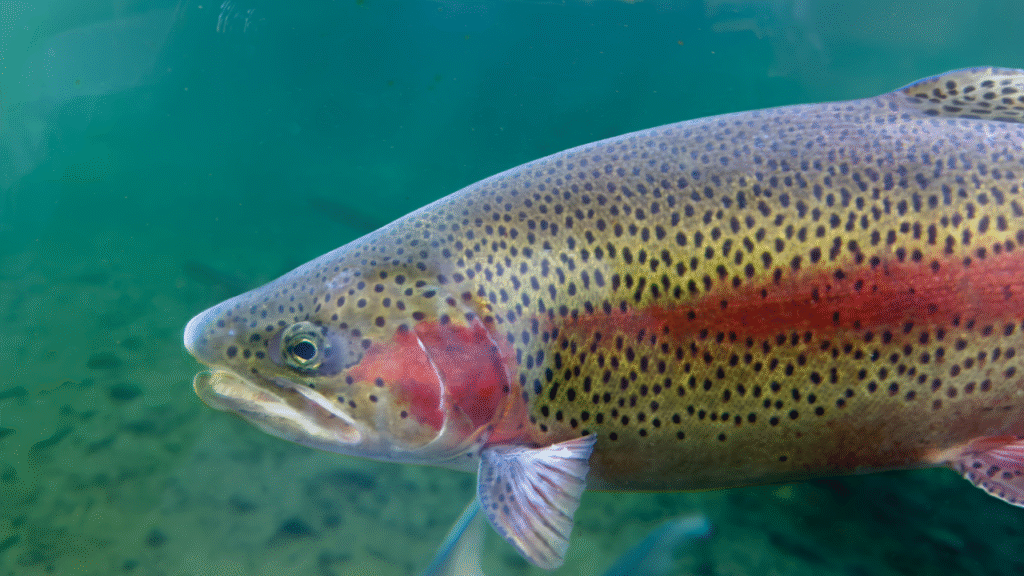
Clear Lake earns its name with some of the most transparent water you’ll ever fish, but that’s only part of the appeal. It sits up in the Cascades, surrounded by old lava flows and forest, and people come here mostly for the trout, with rainbow and brook trout stocked regularly. The water stays cold year-round, which keeps the fish active, and while boats are allowed, motors are limited to keep things quiet. You can fish from shore, paddle out in a kayak, or drop in a small boat. Whether you’re here for the day or staying nearby, it’s a solid pick for steady action in a beautiful setting.
21. Suttle Lake

Suttle Lake, just west of Sisters, is a popular year-round fishery that’s a little misunderstood. The real draw here is the kokanee, which school up and give trollers a fun, fast bite, and there are brown trout in the lake too that grow to a respectable size. Work small hardware near the surface in spring before the fish drop deeper in the summer heat. Access is easy, with a couple of campgrounds close by that make it a favorite for weekend trips, and the water usually stays calm enough for small boats, with a ramp if you need one. Early mornings and late evenings are your best windows. If you want a mix of trolling and bank time without a crowd, Suttle is worth a look.
20. Agency Lake

Agency Lake sits just north of Upper Klamath Lake and shares the same watershed. It’s shallow and wide, with marshy shoreline that the fish love, and it’s best known for its rainbow and redband trout along with some brown trout. Water levels move with the seasons, so spring and early summer are usually the most productive times to put a line in. The setting is quiet and open, with clear views of the surrounding mountains. If you’re looking for a less crowded place to fish in southern Oregon, this one deserves a spot on your list.
19. Siltcoos Lake
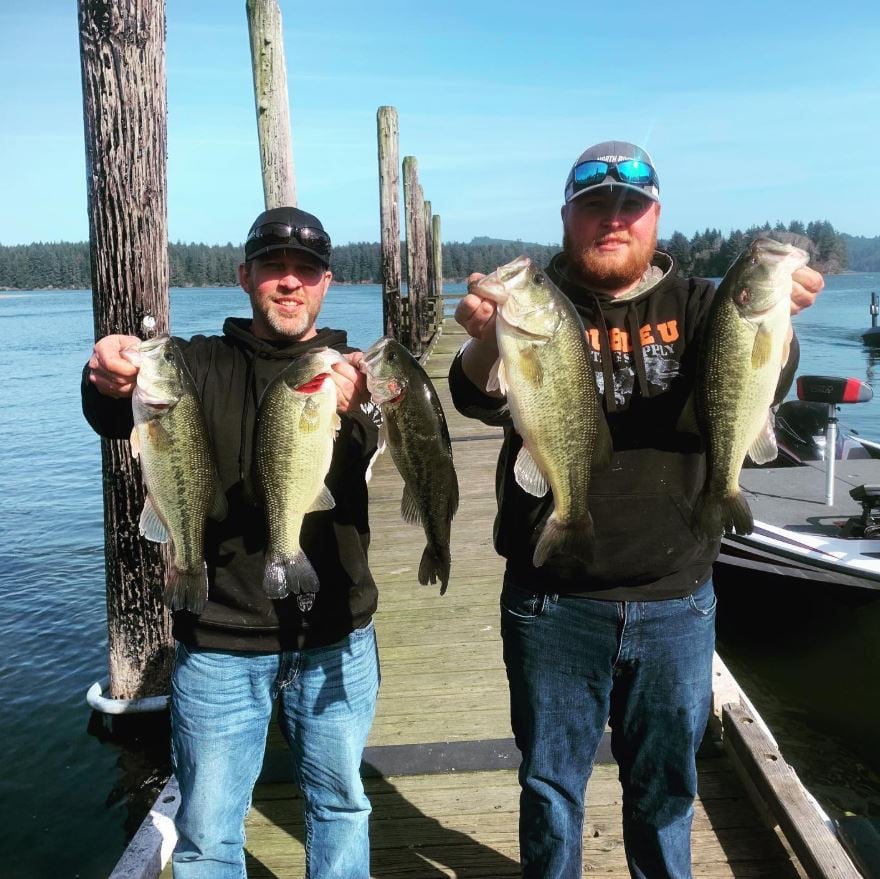
Siltcoos Lake is the largest coastal lake in Oregon and a reliable pick for bass, crappie, and trout. Sitting just inland from the ocean, it’s all slow-moving water and shoreline cover, which makes it easy to find fish through the seasons. Largemouth bass are the headliner, and you can work them around docks, weed beds, and sunken logs. It’s also known for seasonal coho salmon runs that add something extra in the fall. Whether you’re casting from a boat or off the bank, there’s plenty of room to spread out, and it makes for a relaxed, productive day on the water.
18. Prineville Reservoir

Prineville Reservoir in central Oregon is a great pick for anglers who want more than just a nice view. It’s best known for its smallmouth and largemouth bass along with rainbow trout, and as the water warms through summer, the bass tend to move closer to shore. It’s also deep enough to troll if that’s more your style. Early mornings and late evenings bring the best action, and you won’t be fighting big crowds out here, which makes it easier to settle in and focus. Bank fishing or a small boat both work well, so you’ve got options either way. Just bring sunscreen, because it gets hot out there in the high desert.
17. Detroit Lake
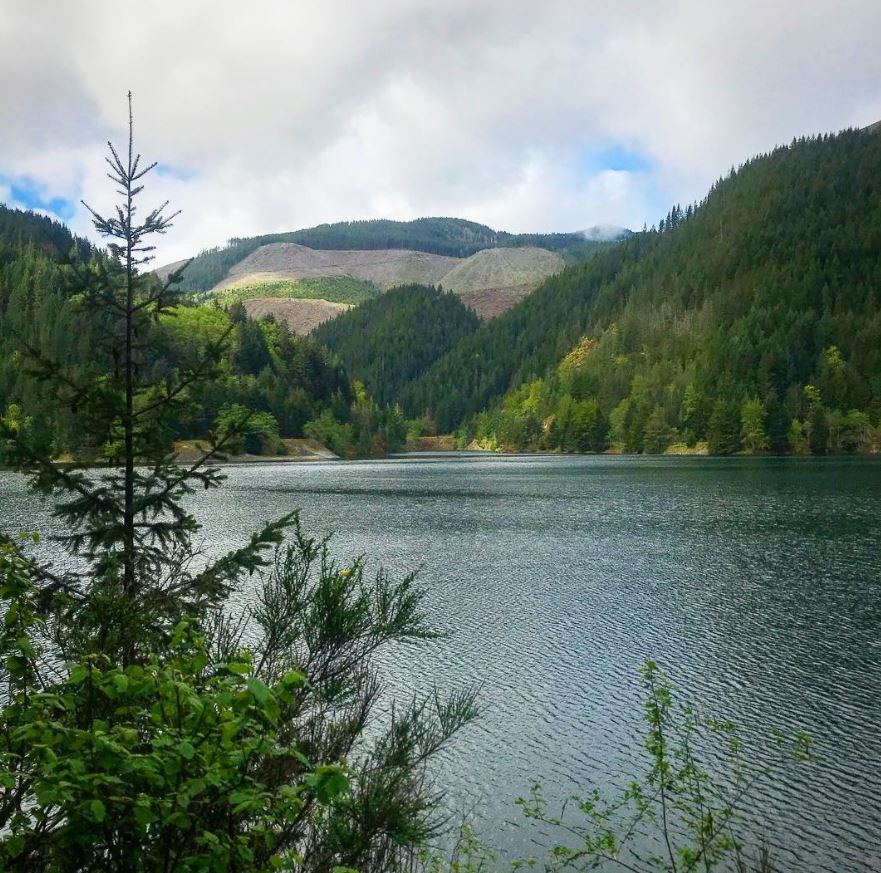
Detroit Lake, just east of Salem, is one of the more popular fishing destinations in the state, and it’s easy to see why. It’s stocked with rainbow trout and also holds kokanee and chinook salmon, so it works whether you’re a weekend casual or a more seasoned angler. The lake is big, with room to spread out from a boat or the bank, and the surrounding forest gives it a nice feel without making it hard to reach. Summer brings clear water and easy access, with the fishing usually picking up in late spring and holding through early fall, depending on water levels and weather.
16. Crescent Lake
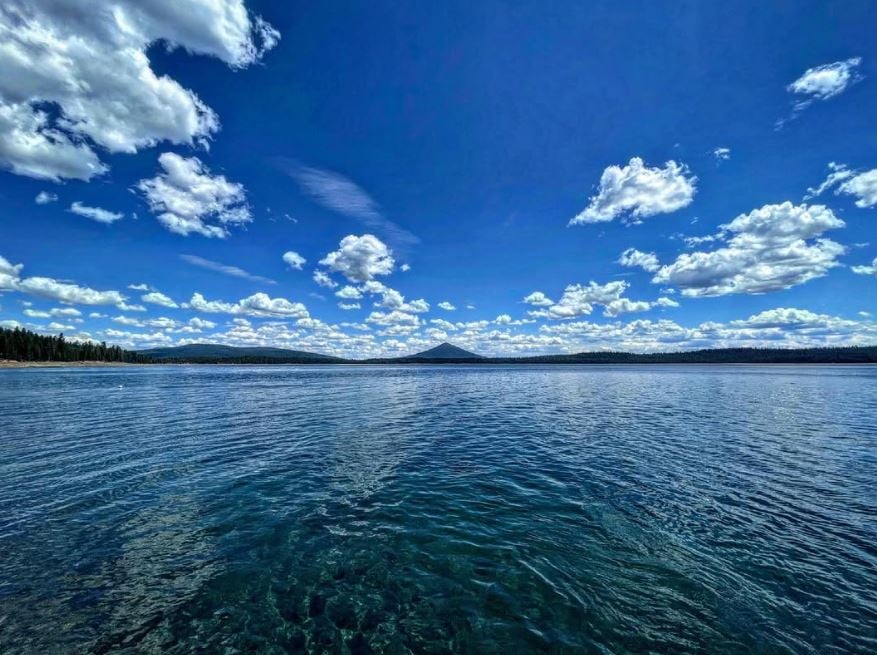
Crescent Lake, on the edge of the Deschutes National Forest, is known for its deep, clear water and the bigger fish that come with it. You’ll find rainbow trout, brown trout, and lake trout here, and the lake is large enough for boats while staying quiet enough to enjoy from the bank. There are several campgrounds nearby, and the snow can linger late into spring at this elevation. It’s a good pick if you’re chasing size or just want to avoid the crowds. Water levels shift from year to year, so check ahead before you plan a trip. All told, it’s a strong choice for early summer fishing once the access opens up.
15. Davis Lake
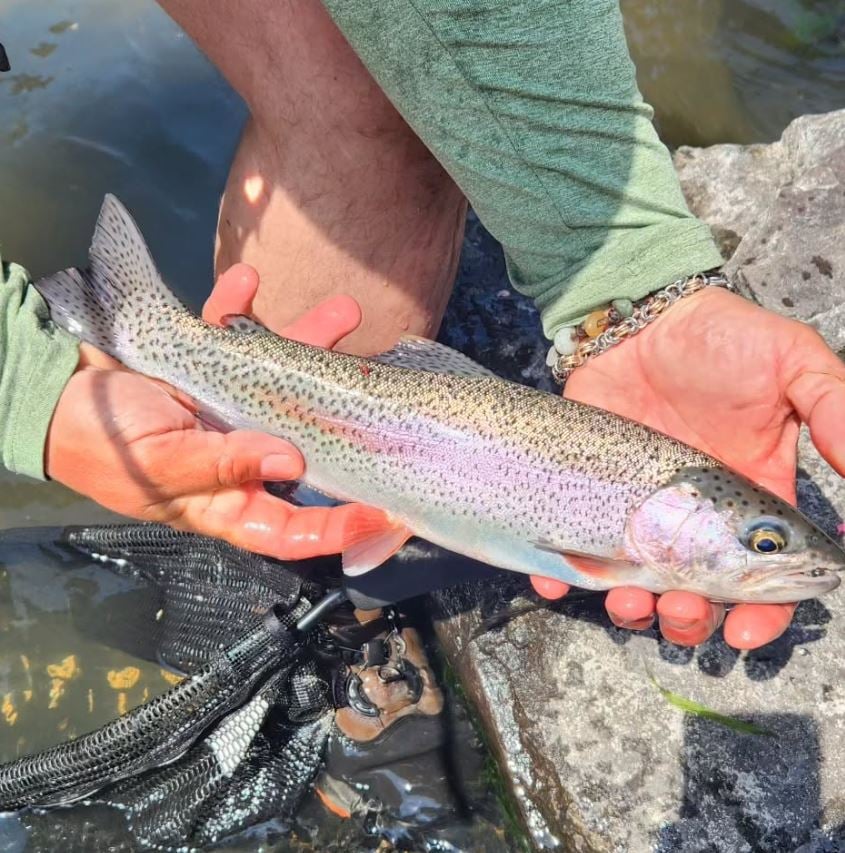
Davis Lake, out near the edge of the Cascades, offers a different sort of fishing trip. It’s shallow and warms up fast in summer, so it fishes best in spring and fall, and it’s known for big rainbow trout along with a growing largemouth bass population. Davis is fly-fishing only, so leave the bait and spin gear at home. The lava flow along the west side gives it a wild, rugged look, while the open water and fallen timber create great cover for fish. Shoreline access is limited, so you’ll want a float tube or a small boat to reach the better water. Afternoons can get windy, which makes mornings your best bet. If you’re after fewer crowds and a chance at a real fish, Davis is worth planning around the weather for.
14. Haystack Reservoir

Haystack Reservoir, out near Madras in Central Oregon, offers a genuinely diverse day of fishing in a pretty high desert setting. You can target rainbow trout, kokanee, largemouth bass, crappie, and brown bullhead catfish all in the same water. Spring is the prime window, when stocked trout, including some big brood rainbows, give you a real shot at a memorable catch, and the kokanee fishing only gets better as the water cools and deepens later in the year. Bank fishing is easy, especially around the fishing pier, while the boat ramps make trolling simple. Water levels move with irrigation demand, so it’s worth checking conditions before you load up, and the views of Mount Jefferson don’t hurt either.
13. Timothy Lake

Timothy Lake is one of those Mt. Hood reservoirs that a lot of you asked about, and for good reason. It’s a big, scenic lake on the upper Clackamas drainage, generously stocked with rainbow trout through the season and home to self-sustaining kokanee and brook trout, plus a healthy number of cutthroat. It’s also one of the best crawdad spots in the whole state if you want to fill a bucket. The rainbows get most of the attention and come easy soon after stocking, while the kokanee tend to favor boat anglers working the deeper water. With four campgrounds, a 13-mile shoreline trail, and easy access from Portland, it’s a natural for a family weekend. Motorized boats are welcome but capped at 10 mph, so the whole place stays calm and quiet.
12. Odell Lake
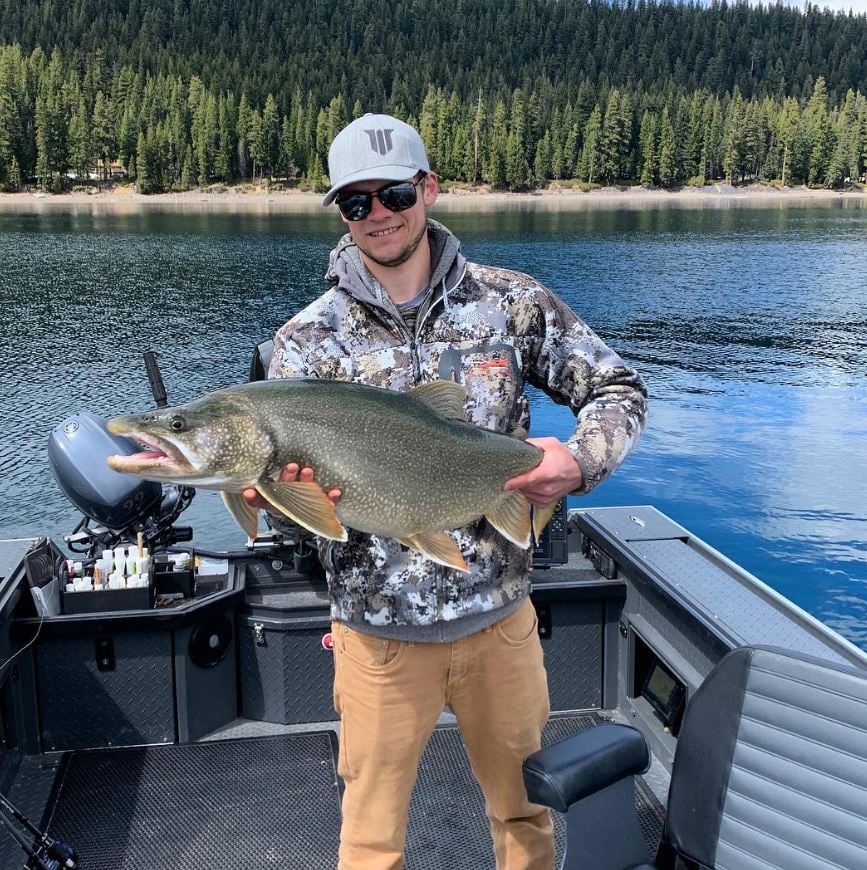
Odell Lake sits right off Highway 58 in central Oregon, tucked among tall pines and steep hillsides. It’s best known for its lake trout, kokanee, and rainbows, and the long, narrow shape gives boat anglers plenty of room to work while still leaving decent bank access near the campgrounds and ramps. The wind can come up fast on a lake like this, so if you’re heading out in a smaller boat, mornings are the smart play. The depth makes it a natural for trolling, especially in summer when the fish drop down, while spring and fall bring better chances closer to the surface. Check the seasonal regulations before you go, since limits and methods can vary. Whether you’re after a challenge or just a quiet day on the water, Odell delivers.
11. Henry Hagg Lake

Henry Hagg Lake just outside Forest Grove is one of the most popular year-round fisheries in northwest Oregon, mostly thanks to how close it is to Portland. It gets a solid spring stocking of rainbow trout, and there’s a good warmwater mix in here too, with largemouth and smallmouth bass, yellow perch, crappie, and the occasional cutthroat. A few regulars will tell you the trout fishing isn’t quite what it used to be, and the lake can green up with algae in late summer, so it pays to time your trips for spring and early summer when conditions are at their best. There’s a boat ramp, and you’ll see plenty of float tubes and kayaks working the water, along with decent shore access near the dam and around Scoggins Creek. It gets busy on weekends, but for convenience and a fair shot at a mixed bag, it’s tough to argue with.
10. Tenmile Lakes
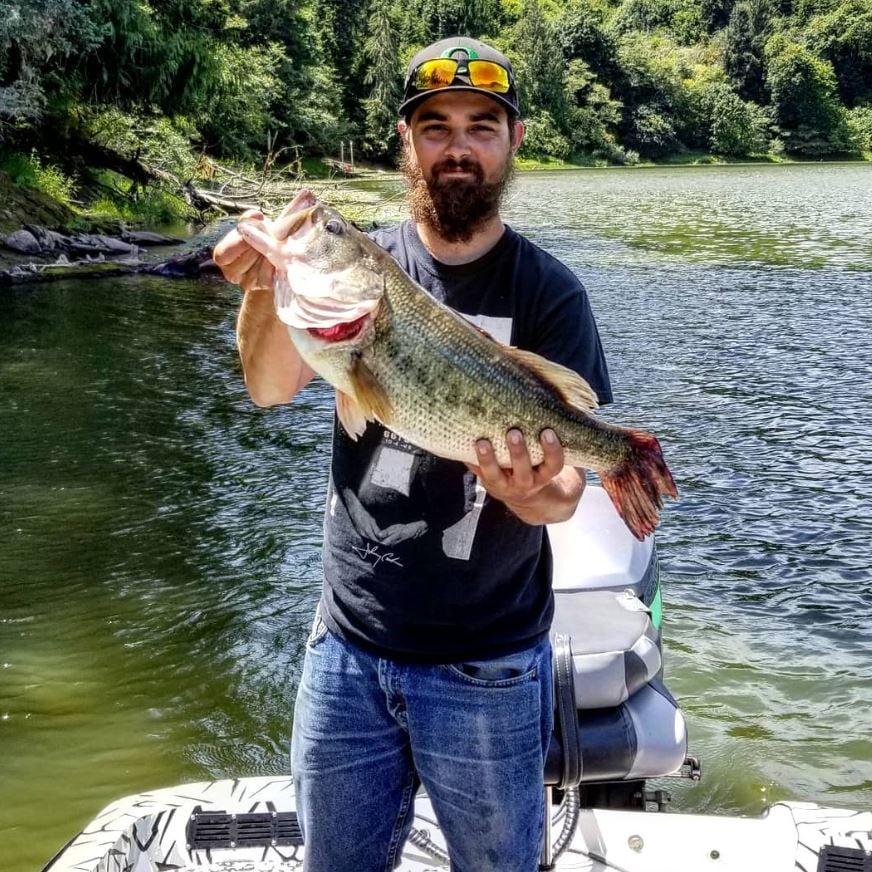
Tenmile Lakes, just outside Lakeside on the southern Oregon coast, are actually two connected lakes, North and South Tenmile, and together they put out some of the best bass fishing in the state. Largemouth thrive in all that structure, and the maze of docks, weed lines, and sunken wood gives you endless places to throw a cast. If you want to mix it up, there are yellow perch, crappie, rainbow trout, and cutthroat in here too. Access is easy, with a few boat ramps and a marina, and locals fish it hard year-round, though spring and early summer are when it really comes alive. What sets Tenmile apart is that blend of variety and consistency, holding up well even when the water warms. Boat or bank, you’ll find plenty of action without having to drive far inland.
9. Upper Klamath Lake
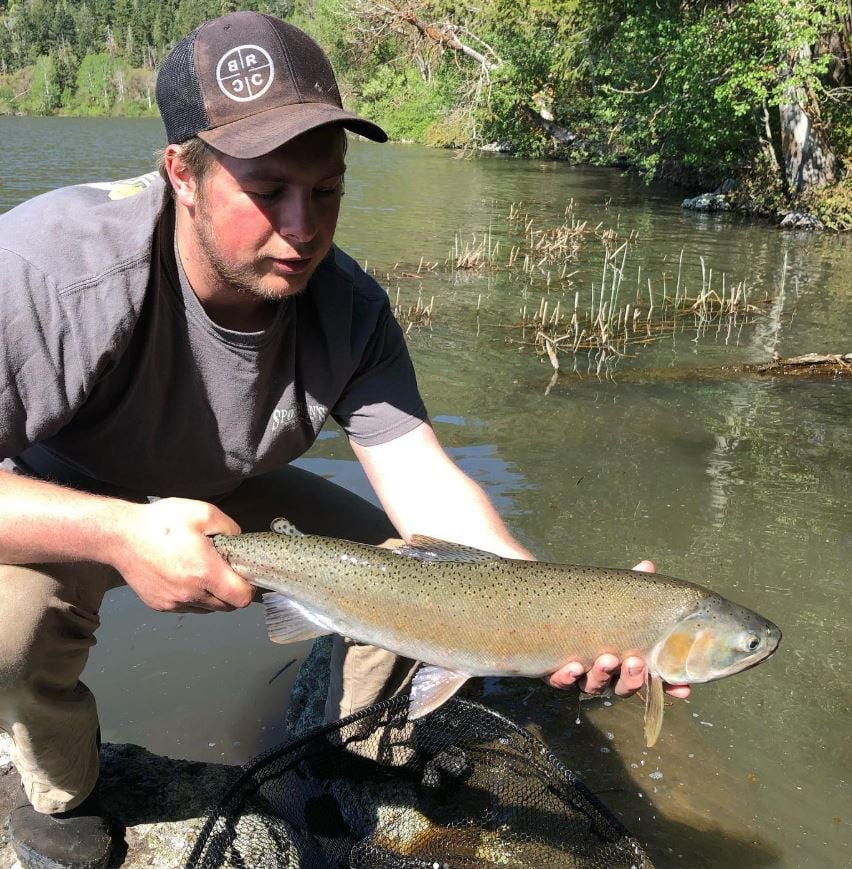
Upper Klamath Lake in southern Oregon is one of the largest freshwater lakes in the state, and it’s where you go when you want a shot at something big. It’s best known for its trophy redband rainbows, and hooking a fish over five pounds here is far from unusual. The lake is shallow across much of its footprint, but don’t let that fool you, because the deep channels and rocky points hold fish all year. Summer fires up around the mouths of the streams, while fall brings the action to the weed beds. Afternoon winds can get rough, so morning trips usually fish better. Access is tricky in spots and you’ll want to keep moving and trying different water, but when it comes together, the payoff is well worth the effort.
8. Wallowa Lake

Wallowa Lake sits at the foot of the Eagle Cap Wilderness in the far northeast corner of the state, ringed by tall peaks and forests that turn colors with the seasons. It feels remote and wild but it’s surprisingly easy to get to. The lake is deep and cold, which keeps the fishery healthy year-round. Rainbow trout get stocked regularly, you’ve got a real chance at kokanee if you fish the deeper water, and there are some big lake trout down there for anglers willing to put in the patience. The marina makes it simple to rent a boat or launch your own, and there’s plenty of shore access if you’d rather stay on the bank. Summer draws the crowds, but fall is the underrated gem here, with cooler temps and a lot more elbow room.
7. Lake Owyhee

Lake Owyhee is the one I’m genuinely surprised more people don’t talk about, and plenty of you called us out for leaving it off. Tucked into the high desert canyons of far eastern Oregon, it’s the longest reservoir in the state and one of the best warmwater fisheries in the entire country. This is the spot if you want bass: smallmouth stack up on the endless rocky structure, and there are some big largemouth in here too. The crappie fishing can be flat-out incredible in spring, and channel catfish are everywhere. On top of all that, the tailwater below the dam is a renowned blue-ribbon brown trout fishery that fly anglers travel a long way for. It sits closer to Boise than Portland and the roads in are rough, but that remoteness is exactly why the fishing stays so good. Water levels can drop hard in dry years, so check conditions before making the long drive.
6. Lake Billy Chinook
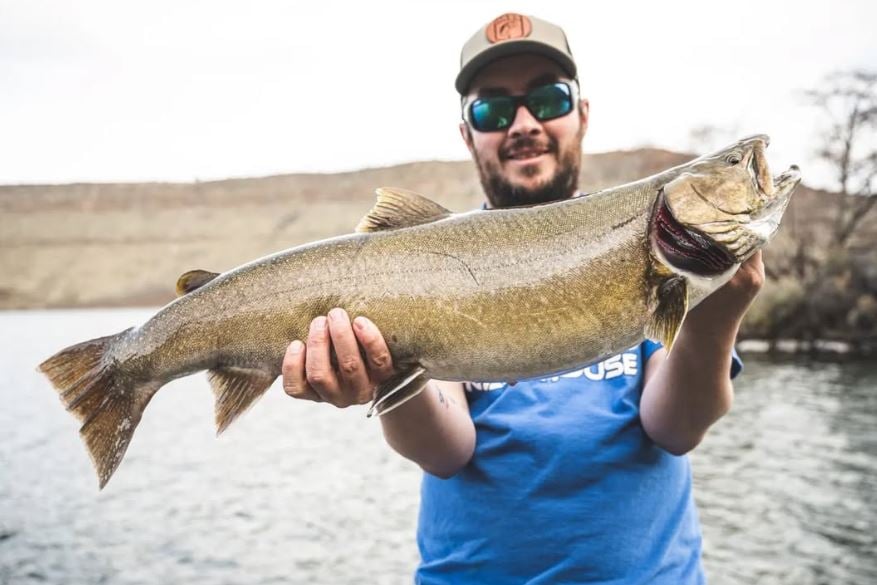
Lake Billy Chinook sits where three rivers meet in Central Oregon, and that’s exactly what makes the fishing here so interesting. Water from the Deschutes, Crooked, and Metolius all pours in, creating distinct zones across the lake, so depending on where you set up, you can tangle with kokanee, bull trout, smallmouth bass, or rainbows. The steep canyon walls mean boat access is often easier than finding a good spot on foot, though there are a handful of bank options. The water runs deep and clear, which makes it a strong trolling lake. Just be sure to read up on the regulations before you go, especially around the Metolius arm, where the rules are stricter. It’s not the easiest lake to figure out, but that variety is a big part of the appeal.
5. Crane Prairie Reservoir
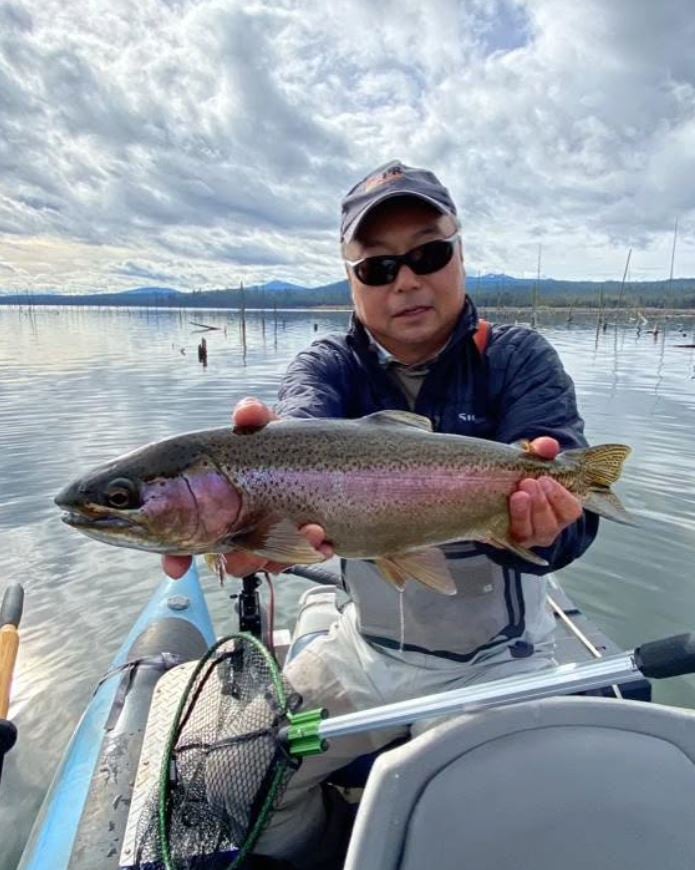
Crane Prairie Reservoir in Central Oregon is one of the best stillwater trout fisheries in the state, and it earned that reputation honestly. It’s famous for its huge rainbows, the ones locals call “cranebows,” and the secret is the water itself: shallow but loaded with nutrients, so the fish pack on weight fast. The mix of flooded timber and shallow flats makes it a fly angler’s dream, especially first thing in the morning or right at dusk. It’s part of the Deschutes system and ringed by forest, so it feels quiet and a little wild out there. Spring and early summer are the prime windows, before the water warms too much, and you might also pick up brook trout, brown trout, or the occasional kokanee. If you’re in a boat, keep an eye out for shallow stumps, and if you’re on foot, work the inlets where the cooler water pours in.
4. East Lake

East Lake sits right across the caldera from Paulina, high in the Central Oregon Cascades inside the Newberry National Volcanic Monument. It’s a quiet, natural lake with clear, deep water that makes for excellent trout fishing, and anglers come here chasing big browns and rainbows, with the kokanee rarely disappointing either. Most people fish from a boat, though you can do fine from shore, and there’s a good mix of campsites, cabins, and a marina if you want to settle in for a weekend. The wind can come up in a hurry, so mornings and evenings are usually your friend. One of the quirks here is the geothermal activity, with warm water bubbling up near the edges in spots, which gives the place a different feel than your average cold mountain lake.
3. Paulina Lake
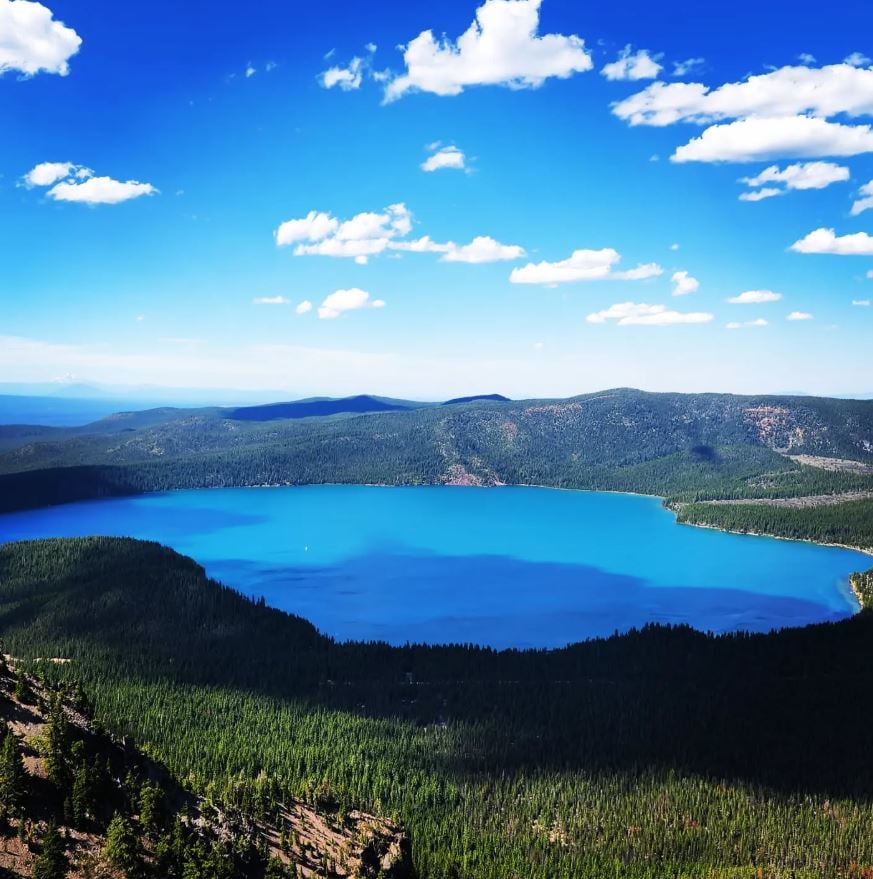
Paulina Lake sits high in the Newberry Caldera, just south of Bend, and it’s a beautiful piece of water with a serious brown trout reputation to match. Alongside the browns, you’ve got a shot at lake trout, kokanee, and rainbows, and at around 250 feet deep, the lake stays cold and fishes well even in the heat of summer. There’s a boat ramp and a small resort on the north side, so getting on the water is easy, and trolling tends to produce best near the middle or along the drop-offs on the west side. Early mornings and evenings are prime for fly fishing close to the shoreline. The whole lake is part of the Newberry National Volcanic Monument, so the scenery is a real bonus, just pack layers because mornings can be cold even in July.
2. Wickiup Reservoir

Wickiup Reservoir is one of the largest lakes in central Oregon, and it’s the one I point serious anglers toward when they’re after a true trophy. It’s best known for its giant brown trout, fish that can push past 10 pounds, with healthy rainbows, largemouth bass, and a ton of crayfish mixed in too. Because it’s an irrigation reservoir, the water level swings through the year, so the lake fishes a little differently depending on when you show up. In spring and early summer, the water sits high and boats have the run of the place, while later in the season it drops and shore fishing comes into its own. The country around Wickiup is wide open, all pine forest and dirt roads, so it has a rugged, off-the-grid feel. Pack what you need, because services out here are limited.
1. Diamond Lake

Diamond Lake sits just north of Crater Lake, and it’s about as reliable as Oregon fishing gets. It’s stocked regularly with rainbow trout, with some brown and tiger trout in here too, and the bite really turns on through spring and early summer while the water is still cool. Because it gets planted so often, you’ve got a genuine shot at fish even if you’re brand new to this, and both boat anglers and shore casters do well. There’s plenty of room to spread out for fishing, camping, or just relaxing by the water, with Mount Bailey and Mount Thielsen framing the whole scene. Early mornings and evenings are your best bet, and bring repellent because the mosquitoes can be brutal at times. Whether you’re bringing the kids or just want a solid weekend, Diamond is hard to beat.
More About Fishing Lakes in Oregon
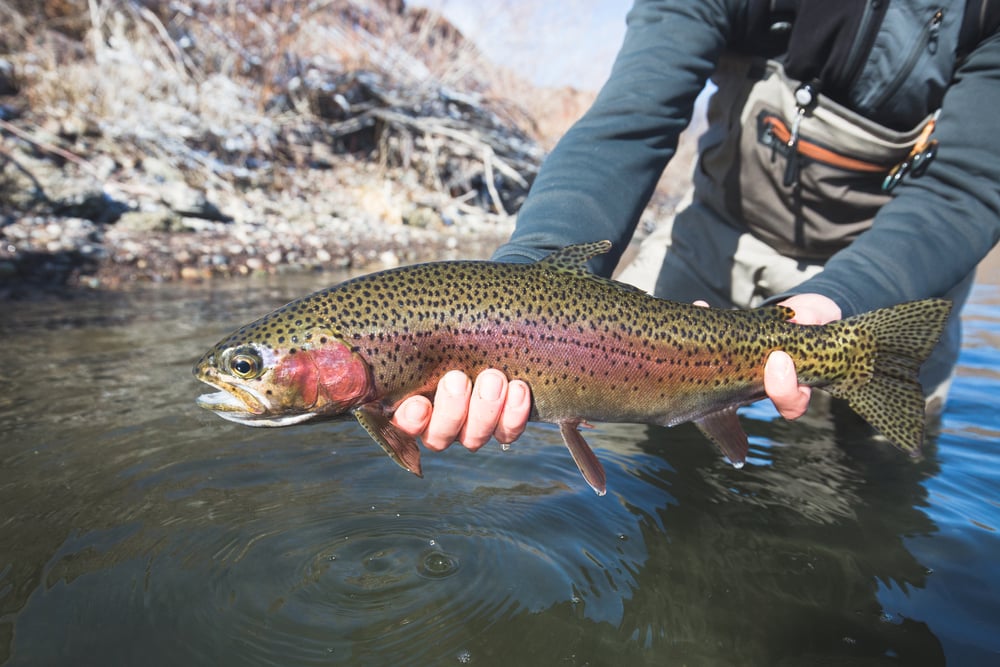
Oregon has hundreds of lakes open to fishing, from alpine waters full of trout to warmer reservoirs stocked with bass, catfish, and crappie. Whether you fish from the bank, a float tube, a kayak, or a full-on fishing boat, there’s something here for every kind of angler.
Most lakes in Oregon are open year-round, but the action tends to pick up in spring and early summer when trout stocking kicks off. Some high-mountain lakes stay frozen or inaccessible until late spring or early summer, so it’s always worth checking local conditions, especially if you’re heading somewhere remote.
If you’re just getting started, the Oregon Department of Fish and Wildlife (ODFW) website is a solid place to look. They keep an updated trout stocking schedule and weekly recreation reports that are easy to read.
Fishing Lakes in Oregon: FAQ
Do I need a fishing license in Oregon?
Yes. Anyone 12 and older needs a license to fish in Oregon. You can buy a daily, multi-day, or annual license online or at most outdoor retailers. There’s also a free fishing weekend twice a year when no license is required.
What fish can I catch in Oregon lakes?
The most common species are rainbow trout, brook trout, cutthroat trout, kokanee, largemouth bass, smallmouth bass, bluegill, crappie, catfish, and sometimes even tiger trout or lake trout, depending on the lake.
When’s the best time to fish lakes in Oregon?
Late April through early July is usually great, especially for trout. Fall can also be productive, and bass fishing tends to peak during the warmer months.
Can I eat the fish I catch?
Usually, yes, but some lakes carry advisories due to mercury or other contaminants. The Oregon Health Authority keeps an updated list online if you’re not sure.
Are Oregon lakes family-friendly for fishing?
Absolutely. Many lakes have easy bank access, picnic areas, and boat rentals, and some are even stocked specifically for youth fishing events.
Where can I find stocked lakes?
ODFW posts a weekly trout stocking schedule by region. It’s updated regularly and tells you when and where fish are planted.
Do I need special gear?
Not really. A basic rod and reel with some PowerBait or worms will get the job done for stocked trout. If you’re targeting bass or crappie, a light spinning setup with jigs or soft plastics works well.

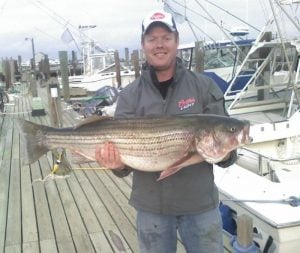

I have been fishing Hagg Lake for 32 years, and I can tell you that every year looks to me that they stock less fish. Even when they said they have stocked the lake is when nobody get a bite. It is true that they are doing it? or is just to bring people to pay. I’m just wondeting. When there’s fish, you will catch some. You can say whatever you want, after 60 years fishing, 32 in Hagg Lake, I can tell you that there’s no fish there. Is my personal opinion.
Lake Owhyee is one of the best warm water fisheries in the country. I am shocked it didn’t get a mention. I have fished several of these lakes and they don’t hold a candle to Owyhee.
I wanted to like this article but then Crater Lake was mentioned. Being from Oregon I’ve fished most these. Crater Lake though is unfishable. Private people can’t launch their own boat…. The steep trail down to the lake ends at a dock for the National Park Service tour boat… it was a volcano that erupted leaving a crater that filled with rain and snow water with no water from creeks or streams, thus no “Natural“ fish… please don’t plan a fishing trip to Crater Lake…
Where’s Timothy Lake?
Interesting that you never once name bluegill which are some of the tastiest fish you will ever eat.
You are wrong about Crater Lake, it was stocked in the 1940s with silver salmon, I have caught them and eaten them from Crater Lake, I also worked there in 2003, 2004, 2008, and 2009
Don’t forget jubilee lake it’s outside of pendleton Oregon up in the blues.