


Oklahoma is home to many lakes that offer great fishing opportunities for anglers of all skill levels. To create this list of the top 30 fishing lakes in the state, I drew on my own experience as a fisherman and reached out to local anglers for their insights. We also polled our social media followers to gather their opinions on the best spots. This approach ensured our list reflects a broad range of perspectives, from seasoned locals to casual visitors.
Whether you’re after bass, crappie, catfish, or other species, these lakes provide diverse environments and reliable fishing. Some are known for their size and accessibility, while others stand out for their unique features or consistent catches. This article highlights what makes each lake special, including key details like fish species, amenities, and tips for a successful trip. Our goal is to help you find the perfect lake for your next fishing adventure in Oklahoma.
30. Lake Overholser

Lake Overholser sits on the western edge of Oklahoma City, making it one of the most accessible fishing spots in the state. Built in 1919, this shallow reservoir tops out around 13 feet deep, which keeps fish active near the surface and close to shore year-round. That makes it a strong option for bank fishing, with long flat banks, riprap stretches, and a few quiet coves to work. Catfish, crappie, and largemouth bass are the main catches. Near the dam, stronger currents pull in larger fish. It’s not a destination lake, but for a quick OKC-area trip, it reliably delivers.
29. Foss Lake

Foss Lake stretches across western Oklahoma, offering wide open waters that attract anglers all year. Known for its healthy population of catfish, bass, and crappie, the lake provides solid fishing opportunities whether from boat or shore. Its rocky points and underwater structures create good spots for both beginners and seasoned fishermen. Winds often sweep across the lake, adding a challenge to the experience. Surrounding the lake, the landscape is open and flat, giving visitors clear views of long sunsets. While Foss Lake is one of the larger reservoirs in the state, it still feels easy to explore and enjoy.
28. Waurika Lake

Waurika Lake sits in the rolling prairie of south-central Oklahoma, about six miles northwest of the town of Waurika. The lake covers roughly 10,000 acres with 80 miles of irregular shoreline, giving anglers plenty of water to explore without heavy crowds. It holds a strong mix of species including largemouth bass, channel and flathead catfish, crappie, walleye, white bass, and hybrid stripers. Six recreation areas are spread around the lake, with boat ramps, campgrounds, and picnic areas throughout. The surrounding landscape is open and quiet, with timbered pockets along the shoreline that hold fish. It rewards anglers who take time to learn it.
27. Lake Lawtonka

Lake Lawtonka stretches across the foothills of Oklahoma’s Wichita Mountains, offering anglers a wide space to explore. Known for its clear waters and rocky shorelines, the lake is a strong spot for bass, catfish, and crappie fishing. Steep banks and underwater structures create natural hiding places for big catches. The open water is often calm, making it easier to fish from boats or kayaks. Fishing piers and shoreline access are scattered around the lake, giving different options for every kind of fisherman. Surrounded by rugged hills, Lake Lawtonka combines good fishing conditions with wide, open views of nature.
26. Robert S. Kerr Reservoir

Robert S. Kerr Reservoir, located in eastern Oklahoma, offers anglers a wide expanse of water filled with opportunities. Covering around 43,800 acres, it sits along the Arkansas River and provides a strong habitat for crappie, catfish, bass, and sunfish. Its many coves, points, and channels create a variety of fishing spots for both shore and boat anglers. The surrounding woodlands and wetlands also support rich wildlife, making the area feel natural and open. Regular water levels and managed fish populations keep it a steady choice for those looking to enjoy a solid day of fishing without heavy crowds.
25. Sardis Lake

Sardis Lake stretches across southeastern Oklahoma, offering anglers miles of rich shoreline and deep waters. Known for its healthy populations of bass, catfish, and crappie, the lake draws both serious fishermen and casual visitors throughout the year. The wide open waters and forested surroundings create a calm, open setting where fishing feels steady and unhurried. With clear depths and a range of habitats, Sardis supports fishing at all seasons, from spring spawning to fall feeding. Its peaceful stretches of coves and main channels provide space to explore without feeling crowded. Sardis remains a reliable destination for those seeking good fishing.
24. Pine Creek Lake

Pine Creek Lake sits in the forested Kiamichi Mountains of southeastern Oklahoma, eight miles north of Valliant in McCurtain County. The lake covers around 3,750 acres with over 70 miles of shoreline, a high ratio that creates the kind of deep coves and creek arms where fish concentrate. Crappie, largemouth bass, white bass, channel catfish, and flathead catfish are all well established here. The river end of the lake tends to hold the bigger catfish, while bass anglers do well working road beds, rocky points, and creek channels. The U.S. Army Corps of Engineers manages the area, with multiple boat ramps and camping throughout.
23. Tom Steed Reservoir

Tom Steed Reservoir spreads across 6,400 acres in Kiowa County near the town of Roosevelt in southwestern Oklahoma, with the Wichita Mountains visible to the east. It’s one of the better walleye lakes in the state, with TravelOK specifically calling it out alongside Foss Lake as a top walleye destination. Bass, crappie, and catfish round out the fishery. Rocky shorelines and scattered brush give fish good structure to hold on, and the open water means wind is a factor, so mornings and evenings tend to fish better. The surrounding Great Plains State Park adds camping and access points, keeping the experience low-key and uncrowded.
22. Lake Wister

Tucked in the foothills of the Ouachita Mountains, Lake Wister offers a wide stretch of calm water for anglers of all levels. Covering around 7,300 acres, it’s a place where bass, crappie, catfish, and sunfish are caught year-round. The lake’s tree-lined banks and shallow coves create perfect hiding spots for fish, making every trip out feel like a new challenge. Lake Wister State Park, located along its shores, provides easy boat access and peaceful spots for shore fishing. Seasonal changes bring a different mood to the water, from cool misty mornings in spring to clear, crisp days in fall. With its wide channels, small islands, and quiet inlets, Lake Wister stays a favorite for those who enjoy long, steady days of fishing. Whether you prefer casting from a boat or setting up along the shore, the lake has plenty of space to explore.
21. Lake Eucha

Lake Eucha sits about four miles south of Jay in Delaware County, a narrow 2,880-acre reservoir operated by the City of Tulsa that stretches 8.5 miles through the Ozark foothills of northeastern Oklahoma. Despite its modest size, it has a devoted local following built around strong populations of largemouth bass, crappie, white bass, bluegill, and catfish. The lake runs deep, reaching over 80 feet at its maximum, and the clear water and rocky structure make it particularly productive for bass. Crappie fishing draws consistent attention, especially after dark with lights. Gas motors are not permitted, which keeps boat traffic light and the fishing pressure manageable year-round.
20. Lake Carl Blackwell

Lake Carl Blackwell, just west of Stillwater, is a well-known spot for fishing in Oklahoma. Its waters are home to largemouth bass, crappie, catfish, and saugeye. The lake stretches across 3,350 acres, offering plenty of space for anglers who prefer shorelines or boats. Along with strong fishing opportunities, the lake provides boat ramps, fishing docks, and nearby camping areas. During spring and fall, fishing conditions are especially good as the fish move into shallower water. Lake Carl Blackwell is managed by Oklahoma State University, ensuring the area is clean and easy to access. It’s a reliable choice for a fishing trip.
19. Lake Altus-Lugert

Lake Altus-Lugert, tucked within Quartz Mountain State Park in southwest Oklahoma, offers wide open water surrounded by rugged hills and rocky landscapes. Built in the 1940s, this reservoir is known for its strong fishing scene, where anglers target largemouth bass, crappie, catfish, and walleye. Its shoreline stretches for miles, giving plenty of space for boat fishing and quiet spots along the bank. Water levels shift with the seasons, adding a layer of challenge for those learning the patterns of the fish. The nearby mountains create a tough but beautiful backdrop, especially at sunrise and sunset. Besides fishing, visitors often see deer, birds, and other wildlife roaming the area. The lake’s remote setting means fewer crowds compared to other Oklahoma lakes, giving serious fishermen room to work. Whether you’re launching a boat or casting from the shore, Lake Altus-Lugert provides a simple, rewarding fishing experience shaped by nature and time.
18. Lake Hudson

Lake Hudson, stretching across northeastern Oklahoma, is known for its wide open waters and strong fishing reputation. This reservoir, built along the Grand River, is especially popular with anglers chasing bass, crappie, and catfish. The lake covers more than 12,000 acres, offering plenty of space for both quiet fishing spots and active boating areas. With long stretches of shoreline and easy access points, it’s a favorite choice for weekend trips and casual outings. Seasonal changes bring variety to the fishing conditions, giving both beginners and seasoned anglers something new to experience each time they visit. Local parks around the lake provide boat ramps, campsites, and picnic areas, making it simple to plan a full day or overnight stay. Whether casting from the banks or drifting across deeper channels, Lake Hudson offers steady opportunities for a good catch and an easy way to enjoy Oklahoma’s outdoors.
17. Hugo Lake

Hugo Lake covers around 13,000 acres in Choctaw County in southeastern Oklahoma, impounded on the Kiamichi River by the U.S. Army Corps of Engineers. It’s one of the better crappie lakes in the state, appearing consistently on species-specific lists alongside Grand Lake and Eufaula. Bass and catfish are also well represented, with long stretches of wooded shoreline and flooded timber giving fish plenty of cover to work. The lake’s size means there’s room to spread out, and it tends to stay quieter than the bigger destination lakes further east. Hugo Lake State Park sits along the northern shore with boat ramps, camping, and easy bank access throughout.
16. Canton Lake

Canton Lake stretches across more than 7,900 acres in northwestern Oklahoma, sitting on the North Canadian River in Blaine County. It’s one of the strongest walleye fisheries in the state, drawing tournament anglers each spring when the bite peaks in the shallower coves and rocky points. White bass, channel catfish, and crappie fill out the catch, and the lake sees consistent action across species throughout the warmer months. The open landscape and sandy shores are typical of western Oklahoma, with wide skies and steady winds that experienced anglers account for when planning their approach. Several campgrounds and boat ramps are positioned around the lake for easy access.
15. McGee Creek Reservoir

McGee Creek Reservoir sits in the Ouachita Mountains of southeastern Oklahoma, about 20 miles east of Atoka, surrounded by dense forest and with almost no development along its banks. The reservoir covers around 3,800 acres and runs deep, with clear water and submerged timber that creates strong habitat for trophy largemouth bass and catfish. It’s consistently mentioned among Oklahoma’s best trophy fisheries, with fish having room to grow in relatively low-pressure conditions. Limited boat traffic keeps the experience focused. Channel and flathead catfish are abundant in the deeper channels. Spring and fall produce the best bass action, but the lake holds fish year-round and rewards anglers willing to make the drive.
14. Fort Gibson Lake

Fort Gibson Lake covers nearly 20,000 acres in the rolling hills of eastern Oklahoma, built on the Grand River just south of the town of Fort Gibson. It’s one of the top crappie lakes in the state, appearing on multiple species-specific lists alongside Grand Lake and Eufaula, with fish concentrated around submerged timber, brush piles, and boat docks throughout the year. Bass fishing draws tournament traffic regularly, and catfish are abundant in the deeper channels. Several marinas and public boat ramps provide easy access around the lake, and the surrounding area has camping and shoreline spots for bank anglers. Spring crappie fishing here is as reliable as anywhere in Oklahoma.
13. Oologah Lake

Oologah Lake spreads across more than 29,000 acres in northeastern Oklahoma on the Verdigris River, making it one of the larger reservoirs in the state. Catfish, crappie, and largemouth bass are the main draws, with the lake’s submerged timber, rocky shorelines, and wide open flats giving anglers a variety of structure to work. White bass runs in the spring bring good action near the river arms and creek mouths. The lake is large enough that finding quiet water away from boat traffic is rarely a problem. Multiple Corps of Engineers campgrounds and boat ramps are scattered around the shoreline, making it a practical choice for overnight trips out of the Tulsa area.
12. Skiatook Lake

Skiatook Lake covers around 10,500 acres in Osage County, about 20 miles northwest of Tulsa, making it one of the more accessible quality fisheries in northeastern Oklahoma. It holds strong populations of largemouth bass, crappie, and catfish, with rocky points, submerged brush, and quiet coves giving fish good structure year-round. Crappie fishing is particularly consistent, with jigs and minnows worked around docks and brush piles producing well through spring and fall. The water tends to stay cleaner than many nearby lakes, which keeps fish active and visible in the shallows during warmer months. Several boat ramps and shoreline access points make it easy to fish from either a boat or the bank.
11. Lake Hefner

Lake Hefner, located in Oklahoma City, is a well-known spot for anglers and outdoor enthusiasts. Originally built as a water reservoir, it has grown into a popular fishing destination. The lake covers around 2,500 acres and is home to several fish species, including largemouth bass, smallmouth bass, catfish, and walleye. Its open waters and consistent winds also make it a favorite for sailing and windsurfing. Along the shoreline, you’ll find fishing docks, boat ramps, and walking trails, giving visitors plenty of access points. Though close to the city, Lake Hefner maintains a wide, open feel with stretches of calm shoreline. Fishing here is good year-round, with peak seasons bringing in larger bass and catfish. Its paved paths, parks, and picnic areas also make it easy for families to spend a full day by the water. Whether you’re fishing by boat or from the shore, Lake Hefner offers steady action and wide skies.
10. Lake Thunderbird

Lake Thunderbird, located near Norman, Oklahoma, is a large reservoir known for its wide, open waters and reliable fishing spots. Covering about 6,070 acres, it’s a popular place for anglers looking for catfish, crappie, and largemouth bass. The lake’s shoreline stretches for miles, offering many areas to fish from the banks or by boat. Clear coves and muddy flats give different kinds of fish a place to gather year-round. Lake Thunderbird also has two marinas and several boat ramps, making it easy to get out on the water. Shaded picnic spots and basic campsites nearby allow visitors to stay close to the action. With steady stocking programs and plenty of natural cover in the water, the lake supports a healthy fish population. Lake Thunderbird’s size and accessibility make it a steady choice for both seasoned anglers and those just starting out. It’s an easy day trip from Oklahoma City.
9. Keystone Lake

8. Kaw Lake

Kaw Lake covers more than 17,000 acres in north-central Oklahoma on the Arkansas River, sitting just east of Ponca City in Kay County. It’s one of the stronger all-around fisheries in the northern part of the state, with crappie, white bass, blue catfish, and largemouth bass all well established. Spring crappie fishing in the coves draws consistent crowds, and blue catfish grow to significant size in the deeper channels. White bass runs in the river arms provide fast action during the spawning push each spring. Rocky shorelines, wooded coves, and open water flats give anglers varied structure to work across seasons. Several Corps of Engineers campgrounds and boat ramps are spread around the lake.
7. Lake of the Arbuckles

Lake of the Arbuckles covers 2,350 acres within the Chickasaw National Recreation Area near Sulphur, and punches well above its size as a fishing destination. Bassmaster ranked it among the top bass lakes in the country in 2023, the same year a 14.57-pound largemouth was caught there, placing it among the ten biggest bass ever recorded in Oklahoma. Clear water, rocky shoreline, and depths reaching 82 feet create ideal conditions for largemouth, smallmouth, and spotted bass to grow large. Crappie, catfish, and sunfish round out the fishery. Public boat ramps, fishing docks, and nearby campgrounds within the recreation area make it straightforward to spend a full day or weekend on the water.
6. Lake Tenkiller

Lake Tenkiller stretches across 12,900 acres in eastern Oklahoma on the Illinois River, and stands out as the clearest lake in the state. Rocky bluffs, wooded hillsides, and depths reaching over 180 feet give it a character unlike most Oklahoma reservoirs. Bass, crappie, catfish, and sunfish are all well established, and the clear water makes sight fishing for bass a genuine option in the shallows. Below the dam, the Illinois River tailwaters are stocked with brown and rainbow trout, adding a fishery you won’t find at most Oklahoma lakes. Several marinas, boat ramps, and campgrounds are spread around the shoreline. When other eastern Oklahoma lakes are running muddy after rain, Tenkiller is usually still fishable.
5. Lake Murray

Lake Murray covers 5,700 acres in the Arbuckle Mountains near Ardmore, set within Oklahoma’s oldest state park. The clear water and rocky shoreline give it a feel closer to a highland reservoir than a typical Oklahoma flatland lake. Largemouth bass, crappie, catfish, and sunfish are the everyday catches, but Murray also holds striped bass and walleye, giving it more species diversity than most lakes its size. The rocky points, steep banks, and submerged structure hold fish year-round, with spring and early fall producing the best action. Multiple boat ramps and fishing docks are spread around the lake, and the state park infrastructure makes it one of the most fully developed fishing destinations in southern Oklahoma.
4. Broken Bow Lake

Broken Bow Lake runs 22 miles through the pine-covered Ouachita Mountains of southeastern Oklahoma, fed by the Mountain Fork River. The water is among the clearest in the state, with depths reaching over 150 feet in the main channel. Largemouth and smallmouth bass, crappie, catfish, and walleye are all present in good numbers, and the rocky shoreline and submerged timber give fish strong structure to hold on year-round. Below the dam, the Lower Mountain Fork River is stocked with brown and rainbow trout, one of only two locations in Oklahoma where that fishery exists. The lake draws heavy tourist traffic, particularly on weekends and holidays, so weekday visits during the school year tend to offer a noticeably quieter experience on the water.
3. Lake Eufaula

Lake Eufaula is the largest lake in Oklahoma, covering more than 105,000 acres across four counties in the eastern part of the state. Its size alone sets it apart, with hundreds of miles of shoreline ranging from muddy river arms to cleaner main-lake water near the dam. Bass fishing has drawn serious attention in recent years, with Bassmaster ranking it among the top 25 bass lakes in the country and Major League Fishing and Phoenix Bass Boats events both held here in 2024. Crappie fishing is equally strong, with the lake appearing on every top crappie list in the state. Catfish, white bass, and hybrid stripers round out a fishery that produces year-round. Multiple marinas, state parks, and boat ramps are distributed across the lake, making access straightforward regardless of which section you want to fish.
2. Grand Lake O’ the Cherokees

Grand Lake O’ the Cherokees covers 46,500 acres in the Ozark foothills of northeastern Oklahoma, and has appeared on Bassmaster’s top bass lakes list every year since the ranking began, hosting three Bassmaster Classics including 2024. Bass fishing is the headline, but the lake produces across every major species. Crappie fishing is exceptional year-round, with fish concentrated around the lake’s thousands of docks, brush piles, and flooded timber. Grand Lake holds the largest population of paddlefish in the world, drawing snagging anglers each spring near Twin Bridges State Park. Catfish, white bass, and hybrid stripers round out a fishery few Oklahoma lakes can match for sheer variety. Multiple marinas, guide services, and public boat ramps are distributed across the lake’s 1,300 miles of shoreline.
3. Lake Texoma

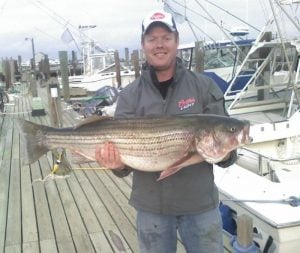
Lake Texoma straddles the Oklahoma-Texas border on the Red River, covering 89,000 acres and drawing roughly two million anglers a year. It carries the reputation as the Striper Capital of the World, and for good reason. Texoma is one of only a handful of freshwater lakes on earth where striped bass reproduce naturally, a result of the slightly brackish water from the Red and Washita Rivers that feed it. That self-sustaining population produces stripers that regularly exceed 20 pounds, with a lake record topping 35 pounds. Beyond stripers, the lake holds largemouth, smallmouth, and spotted bass, along with catfish, crappie, and white bass in strong numbers. Two-thirds of the lake sits on the Oklahoma side, with easy highway access and year-round guide services operating out of Kingston and other lakeside towns. No other lake in Oklahoma offers the same combination of size, species diversity, and nationally recognized fishing reputation.

Info and FAQ for Top 30 Fishing Lakes in Oklahoma
Oklahoma’s top 30 fishing lakes offer diverse experiences for anglers, from vast reservoirs like Lake Eufaula and Lake Texoma to smaller spots like Lake Carl Blackwell. These lakes are home to bass, crappie, catfish, trout, and more, with many managed by the Oklahoma Department of Wildlife Conservation for healthy fish populations. Whether you fish from a boat or shore, you’ll find public access, marinas, and docks at most locations. Always check fishing regulations and secure a license, available at wildlifedepartment.com. Spring and fall are prime seasons, but many lakes provide year-round action. Local bait shops and online fishing reports can guide your trip planning. We hope this list inspires your next fishing adventure in Oklahoma’s waters.
FAQ
What fish can I catch in Oklahoma’s lakes?
Common species include largemouth and smallmouth bass, striped and hybrid striped bass, crappie, channel and blue catfish, and rainbow trout in stocked lakes.
Do I need a fishing license?
Yes, a valid Oklahoma fishing license is required for anglers 16 and older. Purchase one at wildlifedepartment.com or local vendors.
When is the best time to fish?
Spring (March-May) and fall (September-November) are ideal due to active fish and mild weather, but winter trout fishing and summer catfishing are also popular.
Are boats allowed on these lakes?
Most lakes allow boats, but some, like Lake Murray, restrict gas motors. Check specific lake rules for permits and restrictions.
Where can I find lake conditions?
Visit wildlifedepartment.com for fishing reports, water levels, and stocking updates, or ask at local bait shops.


What areas do crappie like to spawn in and how deep thank you
What lakes have homes on them waterfront other than Eufala.
Preferably with option to
Have a dock.
No mention of Ponca or Kaw.
Law #8
I call some bullshit on no 24 Foss Lake
1 it is not flat and open
2 it does not stretch across Western Oklahoma
And yes I know these for a fact because I live about 3 mins from Foss Lake and I have been completely around Foss Lake