


Florida is home to some of the best freshwater fishing in the country, with thousands of lakes scattered across the state. From well-known giants like Lake Okeechobee to smaller hidden gems, there’s no shortage of great spots to cast a line. As someone who’s spent plenty of time fishing these waters, I wanted to create a list that truly reflects the top Florida fishing lakes—not just from my own experience, but with help from the wider angling community. To make this list as accurate and helpful as possible, I reached out to local fishermen, talked with guides, and checked in with friends who fish these lakes regularly.
We also ran polls and gathered feedback from our followers on social media to hear what others had to say. The result is a ranked collection of 30 Florida lakes that consistently deliver good fishing, beautiful scenery, and easy access. Whether you’re chasing trophy bass, panfish, or just looking for a peaceful day on the water, this list has something for everyone. Each lake has its own character and story, and this guide is here to help you discover them. Let’s dive into Florida’s best fishing lakes, starting with the ones that stood out most.
30. Lake Ida

Lake Ida is a hidden gem in Delray Beach, offering great fishing right in the middle of town. This lake is part of a larger system connected by canals, which lets anglers explore new spots without much travel. It’s best known for peacock bass, a colorful fish that fights hard and adds excitement to any trip. Largemouth bass, bluegill, and clown knifefish are also common here. The water is usually clear, and there’s plenty of shoreline access and boat ramps. Whether you’re fishing from a kayak or the bank, Lake Ida gives a fun, easy, and rewarding fishing experience in South Florida.
29. Lake Apopka

Lake Apopka sits at #29 on this list for a reason, and that reason is its complicated past. Once one of Florida’s premier bass fisheries, decades of agricultural runoff left it severely degraded, and water quality concerns linger to this day. The good news is that Apopka is fighting back. A long-running restoration effort has brought largemouth bass back to the shallows, with some fish reaching 7 pounds as marshes slowly recover. Crappie and bluegill are returning too. It is not the lake it once was, and anglers should check current advisories before keeping any fish. But as comeback stories go, Apopka is one worth watching.
28. Lake Osborne

Lake Osborne earns its spot on this list by offering something most Florida lakes cannot: world-class peacock bass fishing within a densely populated urban setting in Palm Beach County. These non-native fish, introduced to South Florida decades ago, are aggressive, colorful, and pound for pound among the hardest-fighting freshwater fish you will ever hook. Largemouth bass and clown knifefish round out the catch, making for an unusually diverse bucket. The lake connects to a network of canals that give anglers more water to explore without moving the boat. It is not a trophy largemouth destination, and some local anglers feel it is overrated for that reason, but for peacock bass it genuinely delivers.
27. Lake Dora

Lake Dora sits in the heart of Lake County and is part of the Harris Chain of Lakes. It has calm waters and a relaxed feel, making it great for a laid-back fishing trip. The lake has grass beds, docks, and canals where fish like to gather. Largemouth bass, crappie, and bluegill are common catches here. The town of Mount Dora rests along the shore, giving visitors easy access to ramps, gear, and food. With scenic views and steady bites, Lake Dora is a favorite for both boating and bank fishing. It’s a solid place to spend a day outdoors.
26. Lake Eustis

Lake Eustis is part of the Harris Chain in Central Florida and offers steady fishing throughout the year. It’s a medium-sized lake known for healthy bass, shellcracker, and crappie populations. The water here is darker, with grass beds and docks that attract fish. A canal connects Lake Eustis to other nearby lakes, giving anglers more room to explore. Local tournaments are often held here, drawing skilled and casual fishermen alike. The town of Eustis sits right on the shore, adding charm and easy access. With plenty of structure and active fish, Lake Eustis remains a reliable choice for freshwater anglers.
25. Butler Chain of Lakes

The Butler Chain of Lakes is a group of clear, spring-fed lakes in Central Florida, near Orlando. These lakes are known for deep water, clean conditions, and good fishing. Anglers often come here for largemouth bass, which are found in big numbers. The lakes are connected by canals, making it easy to explore by boat. Tall cypress trees and quiet shorelines add to the peaceful setting. Fish like bluegill and crappie are also common. With steady water levels and healthy plant life, the Butler Chain offers year-round action. It’s a favorite spot for both local anglers and visiting travelers.
24. Lake Istokpoga

Lake Istokpoga was once Florida’s best-kept secret, a shallow 27,000-acre giant in Highlands County that quietly churned out trophy bass while bigger names like Okeechobee grabbed the headlines. It has logged over 630 TrophyCatch submissions since the program began, a number that tells you what this lake is capable of. The honest truth, though, is that aggressive herbicide treatment has stripped away much of the hydrilla that made it great, and catch rates have dropped noticeably in recent years. The crappie fishery remains strong, and the bass are still here. Anglers who know the remaining grass edges and creek mouths near Arbuckle and Josephine Creek can still find quality fish. Recovery is possible, but it will take time.
23. Lake Placid

Lake Placid, a 3,320-acre gem in Highlands County, glows with small-town charm near its namesake town. Its calm waters hide largemouth bass—often 5 pounds or better—lurking in grassy nooks and sandy pockets. Spring wakes the lake, drawing fish to shallow beds. Bluegill and crappie pepper the mix, darting near docks for easy pickings. Cypress-lined shores and gentle hills frame it, offering a softer vibe than Florida’s swampy giants. It’s not a trophy factory, but a peaceful escape—perfect for quiet casts. Lake Placid’s a sweet, simple slice of the state’s fishing life, inviting anyone seeking calm over chaos.
22. Lake Walk-in-Water

Lake Walk-in-Water, also known as Lake Weohyakapka, is a quiet lake in Polk County that’s big on bass. It covers over 7,500 acres and has a shallow, grassy bottom that creates great fishing spots. The lake is known for its trophy-sized largemouth bass, often caught near weed lines or hidden in patches of lily pads. It doesn’t get as much boat traffic as other lakes, which makes it peaceful and less pressured. Anglers also enjoy catching bluegill and shellcracker here. With open water and wide skies, Lake Walk-in-Water offers a calm and rewarding experience for anyone who loves fishing.
21. Johns Lake

Johns Lake sits between Orange and Lake counties, just west of Orlando. It’s known for great bass fishing, especially during the cooler months when the bite is strong. The lake has two main sections connected by a short channel, offering variety in water depth and cover. Grassy shorelines, lily pads, and submerged structures create ideal spots for fish to hide. Early mornings and evenings are popular times for topwater action. Johns Lake is easy to reach, with public boat ramps and good access. Whether you’re casting from a boat or shoreline, it’s a solid choice for a fun day of fishing.
20. Lake Alfred

Lake Alfred, a cozy 700-acre dot in Polk County near Winter Haven, whispers small-lake magic. Tucked amid citrus groves, it’s a calm haunt where largemouth bass—often 4 pounds or more—cruise grassy edges and docks. Spring stirs them into shallow frenzies. Bluegill swarm near shore, delighting kids and casual anglers. Cypress trees lean over the water, and quiet parks like Lions Park invite bank fishing. It’s not a headline-grabber, but a local treasure—intimate, easygoing, and free of crowds. Lake Alfred’s a gentle nudge in Florida’s fishing world, offering simple joys for anyone with a rod and a lazy afternoon.
19. Lake Monroe

Lake Monroe, a 9,406-acre stretch in Central Florida’s St. Johns River system, pulses with a riverine soul. Near Sanford, it’s a broad, flowing canvas where largemouth bass—some topping 6 pounds—hunt along grassy fringes and sandy bottoms. Winter and spring light it up, with fish charging shallow zones. Crappie swarm near pilings, and stripers, a rare treat, cruise the currents—tied to the river’s tidal quirks. Oaks drape the banks, and marinas like Monroe Harbour buzz with boats chasing the next bite. It’s not a still-water giant; its gentle push sets it apart, blending lake calm with river energy. Less remote than northern gems, it’s a convenient escape for city anglers. Lake Monroe’s a sleeper in Florida’s fishing roster—unfussy, alive, and layered with catches for those who ride its subtle waves and explore its quiet corners.
18. Lake Griffin

Lake Griffin, a 9,428-acre sprawl in Lake County’s Harris Chain, hums with gritty allure near Leesburg. Tied to canals and rivers, it’s a maze where largemouth bass—some pushing 6 pounds—hunt among reeds and drop-offs. Spring sparks action, with fish flooding shallow zones. Crappie thrive near brush, tempting light-tackle fans. Cypress trees tower along the edges, and gators bask in the sun, adding wild flair. Less hyped than its chain siblings, it’s a steady draw for anglers who like a challenge. Lake Griffin’s a rugged, no-frills piece of Florida’s fishing tapestry—raw and ready for those who dig its quiet pulse.
17. Winter Haven Chain of Lakes

The Winter Haven Chain of Lakes is one of Central Florida’s most overlooked multi-lake fishing systems, covering 11 interconnected lakes in Polk County linked by canals that let you move from one body of water to the next without trailering the boat. Largemouth bass are the main draw, with fish commonly running 3 to 6 pounds and occasional larger fish showing up around docks, hydrilla edges, and canal mouths. Crappie and bluegill are abundant and make for excellent panfish action on lighter tackle. The chain sits between Orlando and Tampa, making access easy from either direction. It does not produce the trophy numbers of Okeechobee or Toho, but it is consistent, fishable, and chronically underrated.
16. East Lake Tohopekaliga

East Lake Tohopekaliga sits just south of Orlando in Osceola County and often gets overlooked in favor of its more famous neighbor, West Lake Toho, a few miles to the west. That is a mistake. East Toho covers roughly 11,000 acres of clear, shallow water lined with reeds, bullrush, and hydrilla beds that give largemouth bass everything they need to grow big and stay active year-round. The bass fishing here is consistent rather than spectacular, making it a reliable choice when the pressure on West Toho gets heavy and the fish get lockjawed. Crappie and bluegill are plentiful along the grass edges. Early mornings on calm days produce some of the best topwater action in the Kissimmee Chain.
15. Lake Trafford

Lake Trafford, a 1,500-acre pocket in Southwest Florida’s Collier County, sits like a secret near the Everglades’ edge. This shallow bowl, rarely deeper than six feet, churns with largemouth bass that ambush prey in thick weed beds. Winter and spring turn it electric—fish swarm the shallows, chasing bait under the watchful eyes of gators. Crappie shine here too, schooling near cypress clumps, tempting anglers with light tackle. Its muddy waters ripple with life, framed by marshes that hum with birdsong. A single public ramp at Immokalee keeps it simple, drawing locals who know its quirks. Less hyped than northern giants, Trafford’s charm is its raw, gritty feel—think swampy solitude over polished piers. It’s Florida fishing stripped down: no frills, just nature’s pulse. For those craving a wild, southern twist, this lake delivers quietly but fiercely.
14. Lochloosa Lake
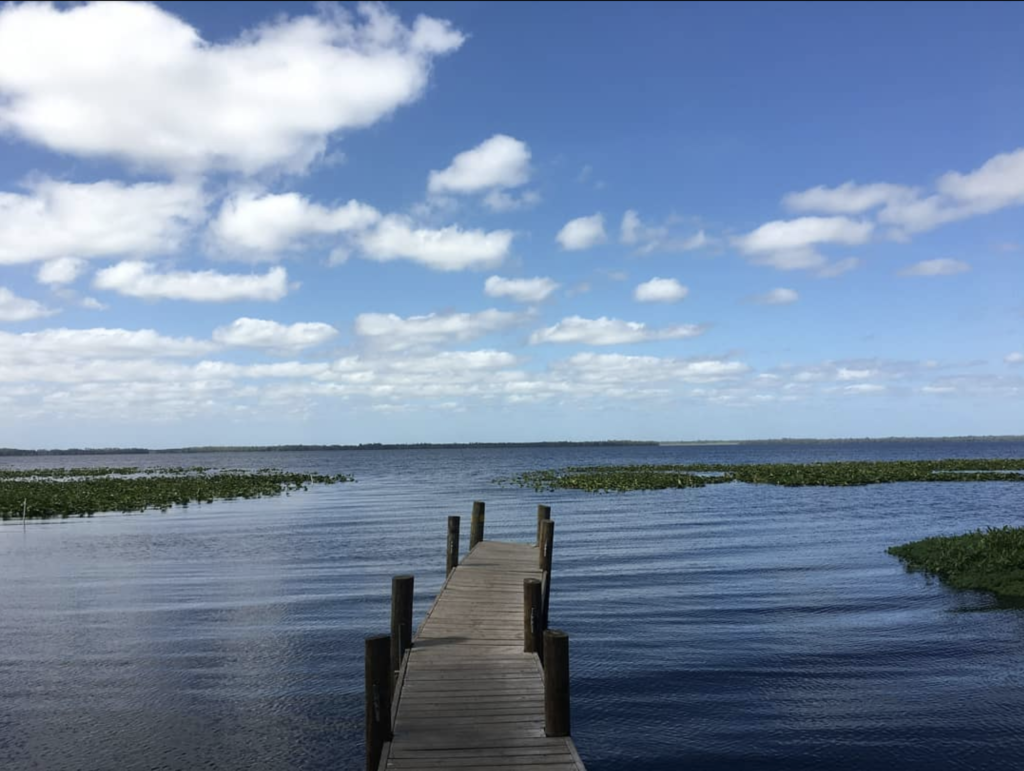
Lochloosa Lake sits just southeast of Orange Lake in Alachua County, connected to it by a canal that lets savvy anglers fish both bodies of water in a single trip. At roughly 5,700 acres it is smaller than its famous neighbor, but the bass fishing can be equally impressive during peak cycles. Lochloosa is a designated fish management area with extensive lily pad fields, hydrilla, and marsh edges that give largemouth bass ideal cover to grow large and feed aggressively. The lake tends to fish better after water levels drop and vegetation rebounds, which happens on a natural cycle every several years. When it is on, Lochloosa produces fish in the 8 to 10 pound range with real regularity. Bring a weedless setup.
13. Lake Tarpon

Lake Tarpon, a 2,500-acre gem near St. Petersburg in Pinellas County, punches above its size. Tucked amid suburban sprawl, it’s a sneaky hotspot where largemouth bass—sometimes topping 10 pounds—lurk in clear waters and grassy beds. Spring flips it into high gear, with fish stacking up along drop-offs and docks. Locals whisper about its knack for churning out tournament-winning hauls, yet it stays off the radar for many. Bluegill and catfish add variety, darting through channels carved deep—some spots hit 30 feet. Cypress knees poke out along the shore, and parks like Anderson offer easy access for shorebound anglers. It’s not vast, but it’s fierce, blending urban convenience with wild bites. Lake Tarpon’s a sleeper in Florida’s fishing lineup—small in footprint, huge in heart, ready to snag anyone who casts its way.
12. Lake George

Lake George anchors the St. Johns River system in North Central Florida, covering 46,000 acres and ranking as the second largest lake in the state. Its size alone commands respect, but what sets it apart is its character. Unlike the still, enclosed lakes that dominate Central Florida, George breathes with the St. Johns River, its water levels shifting with tidal influence in a way that keeps fish moving and anglers guessing. Largemouth bass push into grassy shallows during the spawn, with fish reaching 10 pounds not uncommon along the eastern shoreline near the Juniper, Salt, and Silver Glen spring runs. Crappie and bream fill out the catch through summer. Lake Crescent lies just to the north and fishes as a natural companion to George within the same river system, worth exploring on any extended trip to the area. Less crowded than Central Florida giants, this is big-water fishing with a wild, unhurried feel.
11. Lake Harris

Lake Harris, a 13,788-acre standout in Lake County’s Harris Chain, glows near Orlando with a rugged edge. Known as the chain’s crown, it’s a deep-water haunt—some spots plunge past 30 feet—where largemouth bass stalk submerged timber and rocky humps. Spring sends them shallow, stacking up for epic catches, often 7 pounds or bigger. Crappie and catfish weave through the depths, adding spice for year-round fun. Cypress-lined shores and quiet coves give it a timeless feel, while boat ramps like Hickory Point keep it open to all. Less wild than Okeechobee but punchier than tiny ponds, Harris strikes a sweet spot—big enough to roam, cozy enough to master. Sandbars and islands dot its expanse, tempting kayakers and pros alike. It’s Florida fishing with grit and grace, a steady draw for anyone craving a solid day on the water.
10. Lake Seminole

Lake Seminole, a 37,500-acre sprawl in Florida’s Panhandle near Georgia, brews a northern twist on state fishing. Born from the Jim Woodruff Dam on the Chattahoochee and Flint rivers, it’s a sprawling mix of open water and tangled sloughs. Largemouth bass—some nudging 8 pounds—rule the weed lines, especially in spring’s spawning rush. Stripers, a Panhandle rarity, zip through deeper zones, while crappie huddle near stumps. Cypress groves and lily pads frame the edges, and boaters dodge standing timber for big bites. It’s quieter than Central Florida’s bustle, with a raw, cross-border feel—half wild, half welcoming. Parks like Seminole State offer easy launches, pulling in anglers from near and far. Lake Seminole’s a bold outlier in Florida’s fishing scene: vast, scrappy, and packed with variety, it’s a northern gem that hooks you with every cast.
9. Lake Panasoffkee

Lake Panasoffkee does not get the attention it deserves. At 4,460 acres in Sumter County, it is one of the smaller lakes on this list, but FWC fisheries biologists have ranked it the third most productive lake in the state, and that kind of endorsement from the people who actually count the fish means something. Fed by springs and surrounded by cypress swamps, it stays cooler than many Central Florida lakes and holds largemouth bass that regularly push 5 pounds or better. Winter is the peak season, when fish stack near warm spring outflows and crappie cluster around docks in numbers that will keep light-tackle anglers busy all day. Catfish prowl the muddy bottom year-round. It sees fewer boats than the Harris Chain lakes to the east, which means less pressure and more cooperative fish. A single ramp off I-75 keeps access simple. Do not overlook this one.
8. Lake Rousseau

Lake Rousseau, a 3,657-acre reservoir straddling Citrus, Levy, and Marion Counties, simmers with rustic edge. Formed by damming the Withlacoochee River, it’s a tangled web of stumps and channels where largemouth bass—some topping 6 pounds—ambush prey. Winter and spring ignite bites along wooded banks. Crappie gather near fallen trees, luring patient anglers. Cypress stands guard, and the air buzzes with herons, painting a wild scene. Less busy than Central Florida hotspots, it’s a scrappy retreat for boaters who love a maze. Lake Rousseau’s a rough-cut gem in Florida’s fishing lineup—unpolished, alive, and packed with hidden thrills.
7. Lake Kissimmee

Lake Kissimmee, a 34,948-acre jewel in Central Florida’s Kissimmee Chain, whispers tales of untamed beauty. Tucked south of Orlando, it’s a sprawling canvas painted with cypress swamps and grassy islands. Anglers come for largemouth bass, some hefty enough to make jaws drop—think 10-pounders lurking in lily pad jungles. Winter flips the switch, turning shallow flats into spawning hotspots, while summer nights glow with frog-lure action. It’s not just bass; crappie and catfish prowl the depths, tempting anyone with a line. Eagles soar overhead, and otters splash near the shore, adding a wild pulse to every trip. Less hyped than its neighbors, Kissimmee keeps a low profile—perfect for those craving solitude over crowds. Its waters flow into the Everglades, tying it to Florida’s raw essence. This lake isn’t just a fishery; it’s a living, breathing escape.
6. Rodman Reservoir

Rodman Reservoir, carved into Northeast Florida’s Putnam County, stretches 9,500 acres along the Ocklawaha River. Born from a dammed dream in the 1960s, it’s a sunken forest where ghostly stumps poke through the surface, guarding monster largemouth bass. Winter through spring, these waters ignite—anglers pull in 10-pound-plus lunkers hiding in flooded timber. It’s a gritty spot, less polished than tourist traps, with a rugged charm that hooks you. Crappie and bream join the party, thriving among submerged logs and weed beds. The reservoir’s quiet stretches, framed by oaks and cypress, feel like stepping back in time. Locals argue over its dam—some call it an ecological scar, others a fishing goldmine. Either way, it delivers. Rodman’s not just a lake; it’s a rough-edged slice of Florida’s wild side, daring you to cast into its secrets.
5. Stick Marsh and Farm 13
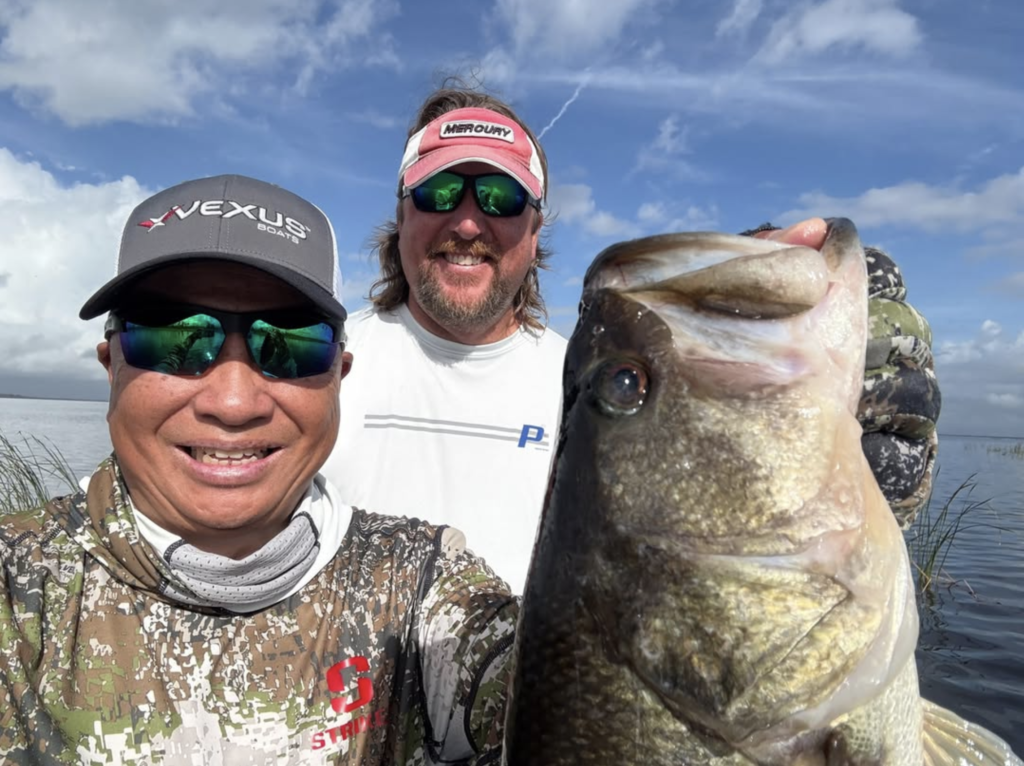
Stick Marsh and Farm 13 together form one of the most storied trophy bass fisheries in the country, not just Florida. This 6,500-acre impoundment in Indian River County was once a vegetable farm, and when the St. Johns River Water Management District flooded it in 1987 to filter agricultural runoff, nobody anticipated what would happen next. The submerged farm equipment, old irrigation ditches, levees, and wild vegetation created a labyrinth of structure that largemouth bass took to immediately. Days of catching and releasing 75 bass are documented here. Double-digit fish are real possibilities, not lottery tickets. The water runs murky, which keeps fish less pressured and gives them cover to grow large without being caught repeatedly. Navigation requires caution, as submerged hazards are everywhere and unfamiliar boaters regularly find trouble. No gas, food, or bait is available on site, so come prepared. The adjacent Fellsmere Reservoir sits just to the south and makes for a natural two-day trip. Fish Stick Marsh at least once before you die.
4. Headwaters Lake

Fellsmere Reservoir, also known as Headwaters Lake, is one of the most deliberately engineered fishing destinations in Florida, and the results have been extraordinary. The St. Johns River Water Management District flooded this 10,000-acre former cattle and citrus property in 2015, and before the water even settled, the FWC invested $1.35 million building winding channels, dredge holes, flats, islands, and spawning zones designed from the ground up to produce trophy bass. It worked. Bassmaster has ranked Fellsmere among the top bass fisheries in the entire Southeast, and the Florida TrophyCatch program has logged 56 submissions from here in a single season, including fish over 13 pounds. All bass fishing here is catch and release only, and circle hooks are required when using natural bait over three inches. That regulation exists for a reason: this lake is being managed as a long-term trophy fishery, not a harvest destination. Kayak anglers discovered it first, and the fishing was already exceptional before the permanent boat ramp opened. It sits adjacent to Stick Marsh, making the two lakes a natural pairing for any serious Florida bass trip.
3. Orange Lake

Orange Lake has quietly become the best bass fishing lake in the southeastern United States, and it is not particularly close. Bassmaster ranked it the top bass fishery in the entire Southeast in both 2024 and 2025, with over 100 TrophyCatch submissions logged in a single season including five bass over 13 pounds. Tournament weights here are staggering, routinely requiring 30 pounds or more to win events that draw serious competition. The lake covers 12,550 acres near Gainesville in Alachua County and is fed by springs and riddled with sinkholes that create the kind of irregular bottom structure bass love. Extensive lily pad fields and periodic hydrilla give fish cover to feed and grow to massive proportions. The lake has a natural cycle tied to drought and refilling, and it has been more than a decade since the last major drawdown, meaning the fish population metrics right now are about as good as they get. A public fishing pier at Heagy-Burry Park offers shore access, and a boat ramp at Marjorie Kinnan Rawlings State Park puts boaters on the water quickly. If you are serious about catching a double-digit largemouth in Florida, this is where you go first.
2. Lake Tohopekaliga (Lake Toho)

Lake Tohopekaliga, known to everyone who fishes it simply as Lake Toho, is the most consistent trophy bass lake in the country. Bassmaster has said so repeatedly, and the data backs it up. This 22,700-acre lake south of Kissimmee produces both numbers and size with a reliability that few fisheries anywhere can match, and it does it year after year regardless of season. The secret is vegetation. Thick mats of hydrilla, bullrush, and maidencane cover the shallows and give largemouth bass everything they need to grow into the 10 to 14 pound range. The spawn in late winter and early spring is legendary, drawing guides and tournament anglers from across the country who know that February and March on Toho can produce the fish of a lifetime. FWC angler surveys recorded a catch rate of 1.03 bass per hour in 2025, which is higher than most popular Florida bass fisheries and a number that reflects how well this lake is currently managed. Crappie and bluegill fill out the catch near docks and drop-offs. Gators share the water with ospreys and the occasional bald eagle, and the Kissimmee waterfront gives the whole experience an old Florida feel that is getting harder to find. For pure bass fishing, nothing in the state touches it on a consistent basis.
1. Lake Okeechobee

Lake Okeechobee is the most famous freshwater fishing destination in Florida and one of the most recognizable bass fisheries in the world. At 730 square miles it dwarfs every other lake on this list, and for most of its history the sheer volume of fish it produced made it an automatic number one. That history still matters, and the potential here remains enormous. The honest reality in 2025, however, is that Okeechobee is going through one of the most difficult stretches in recent memory. Hurricanes Helene and Milton dumped historic rainfall into the watershed, raising water levels to the point where submerged vegetation could no longer get adequate sunlight. Tape grass, pondweed, and bulrush began dying off across the littoral zone, threatening the ecological foundation that makes the lake a bass fishery at all. In December 2024 the Army Corps of Engineers launched recovery operations, dropping the lake from 16 feet to 12 feet over 90 days to let light reach the bottom and give vegetation a chance to reestablish. Bass still grow big here, and Bassmaster documented a 34-pound bag during a 2025 Elite Series event on the lake. But the fishing is harder than it was five years ago, and anglers who expect the Okeechobee of legend may need to adjust expectations until the vegetation recovers. When it does, and it will, this lake will remind everyone why it earned the nickname The Big O.

Florida Fishing Lakes: Info and FAQ
Florida’s freshwater fisheries are a paradise for anglers, with over 7,500 lakes covering more than 3 million acres, from the massive Lake Okeechobee to hidden gems like Lake Dora. Known as the “Fishing Capital of the World,” Florida offers year-round fishing with no closed seasons, hosting species like largemouth bass, crappie, bluegill, catfish, and peacock bass. Lakes such as Tohopekaliga, Kissimmee, and the Harris Chain are legendary for trophy bass, while others like Lake Talquin shine for diverse catches. Managed by the Florida Fish and Wildlife Conservation Commission (FWC), these waters attract over 1.2 million anglers annually, contributing billions to the economy. Whether you’re casting from a boat, pier, or shore, Florida’s lakes promise adventure for all skill levels.
Frequently Asked Questions
Do I need a fishing license in Florida?
Yes, anyone 16 and older needs a freshwater fishing license to fish in Florida’s public waters, unless exempt (e.g., residents 65+ or fishing in certain county-managed areas). Licenses are available online at GoOutdoorsFlorida.com, at license agents, or by calling 888-FISH-FLORIDA.
When is the best time to fish Florida lakes?
Spring and fall are ideal due to moderate temperatures, with largemouth bass and crappie most active. Summer mornings or evenings work for catfish, and winter is great for black crappie and sunfish. Check local fishing reports for real-time conditions.
Are there any fish consumption advisories?
Some lakes and rivers have advisories due to mercury or other contaminants, particularly for species like largemouth bass in certain areas. Visit the Florida Department of Health website for current advisories before eating your catch.
Where can I find public access for fishing?
The FWC’s Boat Ramp Finder lists ramps and access points for major lakes. Many state parks, like Lake Kissimmee State Park, offer piers and shoreline access. Local county websites also detail smaller lakes and facilities.
What about invasive species?
Non-native species like peacock bass are established, but others, like hydrilla, can harm ecosystems. Clean, drain, and dry boats and gear to prevent spreading invasives, as required by Florida law.
For more info, check myfwc.com or contact the FWC at 850-488-4676. Happy fishing in Florida’s incredible lakes!
Sources: Florida Fish and Wildlife Conservation Commission, Fishing Booker


Not sure where you got your info, but Lake Istokpoga has been almost completely cleared of hydrilla. The fishery has dropped drastically over the past years because of this in my opinion.
I know of an untapped chain of quarry lakes that only a few people fish. I have been pulling 10+ pounders from here. I have only been seriously fishing for almost a year now and kind of just figured that this was normal and happened in all of the lakes in Florida. But the more I learn, more realize that this place is very special and there’s a lot of people knew about it it wouldn’t be long before it was overfished. I’m kind of torn because I would love to share this spot and hope that people fish sustainably like I do. For instance I know f*** with fish that are spawning. And when I hear professional so-called professional anglers say that they don’t really like it but they have to because it’s their job I say that’s weak. But anyway maybe I should let people decide for themselves and maybe I should make this place publicly known to the fishing world here in Florida
Great article thanks for sharing very good information I was hoping my Lake would be in there Lake Talquin
What?
No Blue Cypress Lake, no Stick Marsh, no Lake Poinsett, no Lake Hell and Blazes.
Where are the crappie at Little Lake Harris?