

Fishing in Wisconsin is a big deal. With thousands of lakes scattered across the state, there’s no shortage of spots to cast a line. I’ve spent years fishing here myself, but to build this list, I knew I had to get more voices involved. So I talked with other local anglers, asked for input from friends who fish, and even ran polls on social media to hear from people who fish these lakes every season.
The result is a mix of well-known favorites and a few under-the-radar picks that kept coming up in conversations. Some lakes made the list because of their size or popularity. Others are here because they’ve got great bass, walleye, or panfish that folks swear by. This isn’t just a list of where you can fish—it’s about where people want to fish.
Whether you’re planning a weekend trip or just looking for a new place to try, these lakes came highly recommended by people who actually spend time on the water. Keep reading to see which ones made the cut and why locals keep going back. And if your favorite didn’t make it, don’t worry—it just means there’s even more water out there worth checking out.
30. North Twin Lake
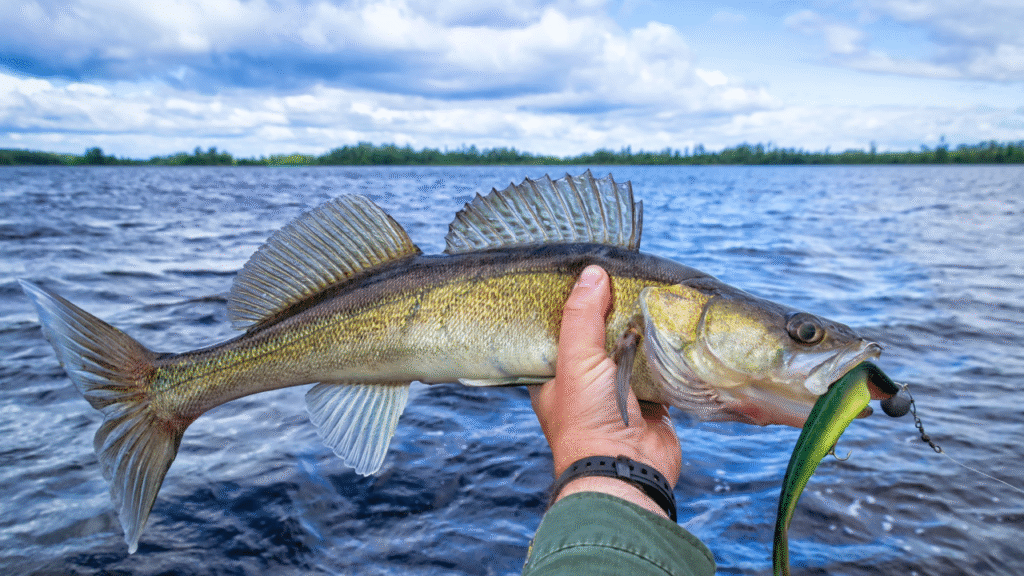
North Twin Lake sits in the town of Phelps in Vilas County, covering nearly 2,900 acres with a maximum depth of 60 feet and 10 miles of shoreline. Connected to South Twin by a short channel, it punches well above its weight as a multi-species fishery. Musky and walleye are the headliners, with anglers reporting the ability to sort through dozens of walleye in a single outing once the fish are located on structure. Largemouth and smallmouth bass round out the catch, along with solid panfish action. Clear water and abundant aquatic vegetation create ideal habitat throughout the season.
29. Boom Lake

Boom Lake, just north of downtown Rhinelander, feels more laid-back than touristy. Locals head out early to fish for largemouth bass, smallmouth, panfish, and sometimes northern pike. You don’t need a boat—there are plenty of spots along the shore. Since it connects to the Wisconsin River, fish move around, which keeps it interesting. The lake warms up quickly in spring, making it great for early bites. In fall, the trees pop with color, and the fishing stays solid. You don’t need a plan—just grab your rod, pick a spot, and go. It’s easy, relaxed fishing anyone can enjoy.
28. Pewaukee Lake

Pewaukee Lake is a favorite fishing spot in southeastern Wisconsin. Anglers come year-round for musky, pike, largemouth bass, crappie, and sometimes walleye. When the walleye bite is on, it’s solid. In spring, locals hit the weedlines, and later in summer, they jig deeper. Winter brings ice shanties to the western basin, where panfish become the main target. The lake has a mix of public access and private shoreline, so check a map before you go. It can get busy, but early mornings or weekdays fish well. Whether on ice or open water, Pewaukee offers good action for all skill levels.
27. Lake Kegonsa

Lake Kegonsa is just southeast of Madison and is great for fishing. It’s part of the Yahara Chain of Lakes, so fish are always moving through. Anglers often catch bluegill, largemouth bass, northern pike, and walleye. The lake has a mix of deep spots and shallow weed beds, so it works for all kinds of fishing styles. There are easy-access boat ramps and spots close to parking, which helps if you’ve got gear or kids. Ice fishing is popular in winter. Locals say early morning and evening are best times, especially in summer. It’s a laid-back, reliable place to fish.
26. Lake Waubesa

Lake Waubesa is just south of Madison and links to the Yahara River. It’s part of a popular lake chain but holds its own. Anglers come here for walleye, largemouth bass, northern pike, and big bluegill. The water’s usually clear, and weed beds pull fish closer to shore. Kayakers and pier fishers will find plenty of space. Locals recommend early mornings, especially in summer. In winter, ice fishing crowds gather near the north end. Public access is easy with parks and boat landings along the edges. Whether for a full day or just a few hours, Waubesa offers steady fishing close to town.
25. Grindstone Lake

Grindstone Lake in northern Wisconsin is a solid fishing spot with a good mix of species. Anglers go there for smallmouth bass, walleye, largemouth bass, and panfish. The water’s pretty clear, so fish tend to be cautious—early mornings or cloudy days are best. The shoreline mixes woods and homes but still feels peaceful. Look for drop-offs and rocky spots, especially in deeper areas. If one spot isn’t working, move around. The lake rewards patience and variety. It’s roomy enough that it rarely feels crowded. Whether from a boat or dock, Grindstone has enough going on to keep most folks interested.
24. Big Arbor Vitae Lake

Big Arbor Vitae Lake covers just over 1,000 acres in Vilas County near the Minocqua area, with a maximum depth of 41 feet and an average depth of 18 feet that keeps fish distributed throughout the season. Walleye are the primary draw, with anglers consistently finding limits on cloudy days when fish move onto structure. Musky are present in good numbers, particularly smaller fish in the 20-inch range that put up a solid fight on light tackle. Largemouth and smallmouth bass round out the action, and crappie in the 12-to-14-inch range make this a legitimate multi-species destination in the heart of Wisconsin’s Northwoods.
23. Nelson Lake

Nelson Lake in northwestern Wisconsin offers a solid mix of fishing opportunities and natural views. The lake has a healthy population of crappie, bluegill, largemouth bass, and northern pike. You’ll also find some decent walleye if you know where to look. Shallow bays and weedy areas are common targets for panfish, while deeper drop-offs tend to hold the bigger predators. The shoreline is mostly wooded with a mix of private cabins and public access spots. Locals fish it year-round, including ice fishing in the winter. It’s the kind of lake where patience pays off, especially in early mornings or just before sunset. If you’re out on the water, watch for loons and eagles—they’re around often. While the lake doesn’t get as much buzz as others nearby, folks who fish it regularly know it holds its own. Whether you’re new or experienced, Nelson Lake gives you a quiet, steady spot to fish.
22. Lake Onalaska

Lake Onalaska sits on the Mississippi River and is one of those lakes where fishing feels easy and laid-back. It’s shallow, wide, and has tons of natural spots for fish to gather, like sunken logs, weed beds, and backwater sloughs. Bluegill, crappie, perch, northern pike, and largemouth bass are common here, and in winter, the ice fishing can be solid. What makes it interesting is how much the water level changes—it’s part of a river system, so conditions can shift fast. That keeps anglers on their toes and adds a little challenge. Locals know that early mornings are best, especially when the surface is still and the light’s just coming up. It’s also a good lake for beginners—easy to reach and not too crowded if you go midweek. Whether you’re casting from shore or sitting in a kayak, Lake Onalaska keeps things simple but never boring.
21. Lake Alice

Lake Alice near Tomahawk, Wisconsin, is a go-to spot for relaxed fishing. This flowage has weedy bays, shallow flats, and deeper channels, giving anglers year-round action. You’ll find smallmouth bass, northern pike, and a reliable walleye bite, especially early or late in the day. Since it connects to the Wisconsin River, the water stays steady and fish stay active. Locals say ice fishing’s just as good as summer casting. It’s easy to fish from shore, with several public access points. The lake stays pretty quiet, with that laid-back Northwoods vibe. Bring snacks, a cooler, and enjoy a solid day outside.
20. Yellow Lake

Yellow Lake, tucked into the northwest corner of Wisconsin near Webster, has a little bit of everything for anglers. The lake stretches out in a horseshoe shape, with bays and channels that break up the water and give fish plenty of room to move. People come here for walleye and northern pike, but you’ll also find bass, panfish, and the occasional musky. The lake bottom changes a lot—rocky in some parts, sandy in others—which makes it easy to try different fishing spots without going far. You’ll see locals fishing from docks and visitors casting from small boats or pontoons. The surrounding area is quiet, with a few cabins and resorts nearby, and the vibe is more laid-back than crowded. Whether you’re fishing at sunrise or watching the light change in the evening, Yellow Lake is the kind of place that keeps folks coming back every year.
19. Lac Vieux Desert

Lac Vieux Desert sits on the Wisconsin-Michigan border near Land O’ Lakes, covering more than 4,200 acres as the official headwaters of the Wisconsin River. Sandwiched between the Chequamegon-Nicolet National Forest on the Wisconsin side and the Ottawa National Forest in Michigan, the lake offers 19 miles of shoreline and a genuine northwoods setting that’s hard to match. Musky, northern pike, walleye, smallmouth bass, perch, crappie, and bluegill all populate the water, giving anglers a full menu regardless of target species. May and June are the prime window for walleye, while panfish and pike keep the action going through winter ice fishing season.
18. Lake Butte des Morts

Lake Butte des Morts, just west of Oshkosh, is part of the Winnebago system and a reliable fishing spot. Walleye are the main draw, especially in spring when the current pulls them in. You’ll also run into perch, largemouth bass, and catfish. It’s mostly shallow, so weed beds and rock piles matter. Locals drift or troll along points or stick near the river mouth. Ice fishing gets busy in winter—people drive out, set up, and fish for hours. Conditions change fast. One day it’s steady, the next it’s dead. But that’s the fun. The lake always keeps you on your toes.
17. Big Saint Germain Lake

Big Saint Germain Lake covers 1,622 acres in Vilas County, roughly 15 miles west of Eagle River, with a maximum depth of 42 feet and five distinct bays that give anglers genuine structural variety to work. The lake hosts five gamefish species including musky, walleye, largemouth and smallmouth bass, and northern pike, supported by one of the most diverse aquatic plant communities in the state. Wisconsin DNR classifies it as a High-Quality Water with excellent biotic integrity. It draws competitive anglers from across the country as a host venue for the National Championship Musky Open, making it one of the most tournament-tested fisheries in northern Wisconsin.
16. Trout Lake

Trout Lake sits near Boulder Junction in Vilas County, covering nearly 3,900 acres with a maximum depth of 117 feet, making it one of the deepest lakes in the state. That depth is the defining feature, supporting a rare cold-water assemblage that includes lake trout, lake whitefish, cisco, and burbot alongside the more typical northern Wisconsin species. Walleye are the primary draw for most anglers, with DNR surveys showing strong populations and consistent size. Musky, smallmouth bass, northern pike, and panfish round out a fishery that has attracted anglers to the Northwoods since the early resort era of the 1900s.
15. Lake Pepin

Lake Pepin is a wide spot on the Mississippi River that stretches along the border of Wisconsin and Minnesota. What makes it different from most lakes in Wisconsin is that it flows, thanks to the river current. This keeps the water moving, which can change how the fish behave from week to week. Anglers come here for a shot at walleye, northern pike, catfish, and panfish. The lake’s mix of shallow bays, deeper channels, and underwater structures gives fish plenty of places to hide. Fishing from shore is an option in a few spots, but most people head out by boat to reach the better areas. Spring and fall are usually the most productive seasons, especially when water levels stay steady. With nearby towns like Pepin and Stockholm, it’s easy to make a full day of it. If you’re looking for a big-water feel without heading to the Great Lakes, Lake Pepin is worth a look.
14. Little Saint Germain Lake

Little Saint Germain Lake covers nearly 1,000 acres in Vilas County with a maximum depth of 53 feet, and carries a reputation among locals as one of the most biologically productive waters in northern Wisconsin. The musky fishery has strong size structure, with quality management resulting in more fish over 40 inches than most comparable lakes in the region, and trophy fish exceeding 30 pounds are a realistic possibility. Walleye and northern pike draw consistent open-water and ice fishing pressure. Bass anglers find both largemouth and smallmouth, with late May and early June sight fishing in clear water a highlight of the season. Panfish round out a well-rounded, year-round fishery.
13. Geneva Lake

Geneva Lake sits in southern Wisconsin, surrounded by small towns and rolling hills. It’s a deep, clear-water lake that draws in anglers year-round. You’ll find a mix of game fish here—smallmouth and largemouth bass, northern pike, walleye, lake trout, and even panfish. The water runs cooler than many others in the area, which helps certain species thrive, especially trout. Spring and fall tend to be solid times for bass and pike, while ice anglers often come out for perch and bluegill in the winter. The shoreline is well developed, but there are still spots with weed beds, drop-offs, and rocky structure where fish hold tight. Some folks cast from shore, but most head out by boat for the best access. Local guides are common, and fishing pressure can be high in peak months, so early mornings and weekdays offer better chances at some peace and action.
12. Lake Poygan

Lake Poygan in east-central Wisconsin is a year-round spot for anglers. Connected to the Wolf and Fox Rivers, it offers changing fish patterns that keep things interesting. Walleye, northern pike, and largemouth bass are the main targets. Spring brings river runs, summer shifts to deeper water, and winter turns the lake into a frozen village of ice shacks. The lake is shallow, which means it warms quickly in spring—great for early bites. You’ll find fish on mudflats, rock bars, or weedy areas. Some drift the open water; others hug the edges. It’s steady, not showy, and always worth your time.
11. Lake Wisconsin

Lake Wisconsin sits just north of Madison and has become a regular spot for local anglers. It’s not a remote lake, but that’s part of its draw—you don’t have to go far to find good fishing. The lake is part of the Wisconsin River system, so it naturally pulls in a variety of fish. Walleye and sauger are popular targets here, especially in spring and fall. You’ll also find crappie, catfish, largemouth bass, smallmouth bass, and northern pike, depending on where you set up. The shoreline mixes developed areas with stretches of quiet bays, so there’s a little flexibility in how you want to fish it. Whether you’re casting from a dock, trolling, or drifting near the dam, there’s usually something biting. It’s one of those lakes where people come for a quick outing and end up staying the whole day. The fishing stays solid across the seasons, including on the ice when winter rolls in.
10. Lake Koshkonong

Lake Koshkonong isn’t your typical fishing lake. It’s big and shallow, with muddy water and a wide, open feel. This makes it great for warm-weather fishing, especially for catfish, panfish, and walleyes. It’s not a spot for crystal-clear views or deep drop-offs. Instead, it’s all about flats, weed beds, and moving water. The lake connects to the Rock River, which means fishing near the river mouth can bring in some action too. Spring and early summer are popular times to fish, but fall brings in big ones if you’re patient. It can get windy, so check the weather before heading out. The shoreline has a mix of homes, parks, and access points, so it’s easy to find a place to start. Lake Koshkonong is a good choice if you’re looking for a laid-back day with a chance to reel in something worth talking about.
9. Pelican Lake

Pelican Lake covers 3,545 acres in Oneida County with 16 miles of shoreline and a maximum depth of 39 feet, making it one of the largest lakes in the county. Its extensive weed beds are what set it apart, holding trophy northern pike and musky throughout the season, with fall musky fishing drawing serious attention from anglers across the region. The walleye fishery is self-sustaining through natural reproduction, a mark of a healthy lake, with DNR surveys showing consistent size structure. Panfish are abundant, with perch, bluegill, and crappie all present in strong numbers. The Wolf River is a short drive away, giving visiting anglers a full week of options.
8. Lake Wissota

Lake Wissota is a solid pick for anglers who want a mix of everything. Located just outside Chippewa Falls, it’s known for its variety—walleye, musky, smallmouth bass, and panfish are all here. The lake has a bunch of different spots to try, from quiet bays to deeper channels. It’s a place where early mornings pay off, especially if you’re targeting walleye. Locals will tell you the fishing can change fast, so staying flexible helps. Some people troll, others stick to jigs and live bait. The lake gets traffic, but it’s big enough to find your own space. There’s also a steady mix of seasoned anglers and weekend fishers, which adds to the vibe. If you’re out for the day, bring layers—weather here shifts without warning. Whether you’re trying for your personal best or just casting with a friend, Lake Wissota has enough going on to keep you interested without feeling overwhelming.
7. Castle Rock Lake

Castle Rock Lake sits in central Wisconsin and gives anglers plenty to work with. It’s known for its mix of fish like walleye, bass, northern pike, and crappie. The lake’s structure—lots of submerged stumps, shallow bays, and channels—makes it a strong spot for casting all year. Summer fishing can be productive near the rock bars and weed edges, while spring and fall tend to bring more action closer to shore. Ice fishing is also popular here once winter settles in. While it’s a man-made lake, it has a more natural feel than you might expect, thanks to the surrounding forest and marshy edges. There’s a steady rhythm to the fishing here: early mornings, quiet evenings, and the occasional surprise tug on the line. If you’re planning a trip, this lake offers a little variety without making things complicated. It’s a solid choice for both regulars and anyone trying it for the first time.
6. Lake Superior

Lake Superior touches Wisconsin’s northern edge for roughly 150 miles, forming one of the most distinctive fisheries in the state. The Apostle Islands and Western Arm regions are home to some of the most productive fisheries in the entire lake, with lake trout serving as the top predator and the primary target for open-water anglers. Chequamegon Bay adds a warmer, shallower dimension to the fishery, supporting brown trout, lake whitefish, coho salmon, splake, walleye, yellow perch, and smallmouth bass across spring, fall, and winter ice seasons. The smallmouth bass fishery on Chequamegon Bay in particular draws attention as among the best trophy smallmouth fishing in the entire country. The Bois Brule River and St. Louis River, which supports the largest walleye population in all of Lake Superior, round out a system that gives Wisconsin anglers world-class variety without leaving the state.
5. Lake Mendota

Lake Mendota sits on the edge of Madison and pulls in anglers from all over. It’s the largest lake in the area, covering over 9,800 acres. What makes it stand out is the mix of fish you can find year-round. Walleye, pike, largemouth bass, smallmouth bass, and panfish are common targets, and the lake’s structure gives them plenty of spots to hide. Spring and fall are usually best for walleye, while summer brings steady action for panfish near weed lines. Ice fishing in winter is also big here, especially for perch. Local anglers say the key to Mendota is patience and knowing the drop-offs and rock bars. There’s enough room to spread out, even on busy weekends. Plus, with nearby bait shops and easy shore access in some spots, it’s a solid pick for both serious fishers and folks just starting out. Just bring your gear and keep an eye on the weather—it can shift quick.
4. Green Lake
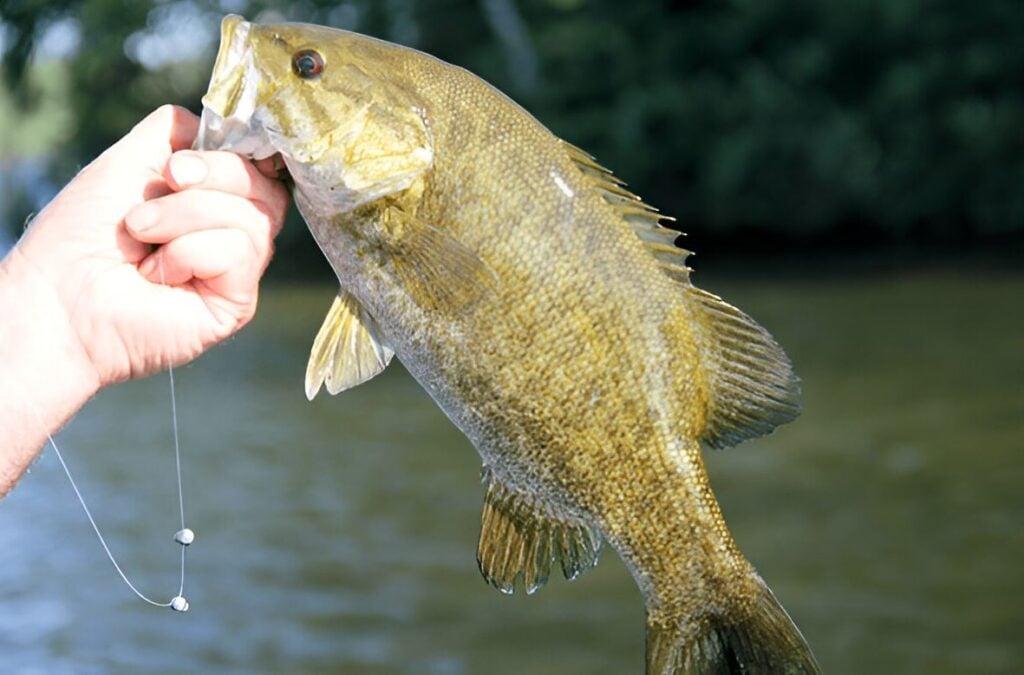
Green Lake in Wisconsin stands out for its depth and clarity. It’s the deepest natural lake in the state and has plenty of room for anglers to spread out. The water runs clear, especially in spring and early summer, making it easier to spot fish movement. You’ll find lake trout, smallmouth bass, panfish, and northern pike here. Some people come for the trout alone, since Green Lake stays cold enough for them year-round. Access is easy, with several public landings. The shoreline is a mix of wooded areas and quiet neighborhoods, which keeps it feeling relaxed without being isolated. In warmer months, the bite picks up early in the morning and again before dusk. Locals often swear by live bait, but artificial lures get plenty of action, too. Whether you’re casting from a boat or fishing from shore, Green Lake gives you a good shot at landing something worth keeping.
3. Lake Michigan

Lake Michigan forms Wisconsin’s entire eastern border, stretching from Kenosha in the south to the Door Peninsula in the north and offering one of the premier freshwater trolling fisheries in the world. Charter fleets out of Sheboygan, Manitowoc, Kewaunee, Algoma, and Sturgeon Bay target chinook salmon topping 30 pounds, coho salmon, rainbow trout, brown trout, and lake trout throughout the open water season. Spring brown trout fishing near shoreline structure kicks off the season as early as March, while king salmon peak through summer into fall. Perch, smallmouth bass, and walleye round out the inshore fishery.
2. The Chippewa Flowage

The Chippewa Flowage in Sawyer County is Wisconsin’s largest wilderness lake, covering more than 15,000 acres with a maximum depth of 92 feet, 140 islands, and over 200 miles of largely undeveloped shoreline. Created by a dam on the Chippewa River in 1924, it holds the most storied musky reputation of any lake in the state, including the world record muskellunge, a 69-pound, 11-ounce fish landed by Louis Spray in 1949 and still upheld by the Freshwater Fishing Hall of Fame. The walleye fishery ranks among the finest in Wisconsin, with a population of over five adults per acre. Crappie, bluegill, bass, and perch fill out a fishery that serious anglers consider one of the most complete in the Midwest.
1. Lake Winnebago

Lake Winnebago is the largest inland lake in Wisconsin and it’s packed with fishing opportunities year-round. Anglers come here for walleye, perch, and largemouth bass, but that’s just the start. The lake is shallow compared to others, which helps warm things up faster in spring and can lead to solid early-season action. In the winter, ice fishing is huge—locals build out entire ice villages. There’s also a big sturgeon spearing season in February that’s been going on for generations. The lake’s size gives you plenty of space to spread out, even on busy weekends. The bottom is mostly mud and rock, and there are reefs and drop-offs where fish like to hang out. It’s not always easy fishing, but that’s part of what makes it interesting. Whether you’re jigging from shore or spending a day out on a boat, Lake Winnebago gives you plenty of reasons to keep coming back.

More Info About Fishing Lakes in Wisconsin
Wisconsin has over 15,000 lakes, and many of them are open to public fishing year-round. Whether you’re casting off from a dock, dropping a line through the ice, or cruising in a boat, there’s always somewhere to fish. From walleye and musky to bass and panfish, each lake has its own rhythm, seasons, and hot spots.
If you’re new to fishing here, the Wisconsin Department of Natural Resources (DNR) is your best friend. They have maps, fishing reports, season dates, licensing info, and all the rules you’ll want to know before you go.
Check out: https://dnr.wisconsin.gov/topic/Fishing
FAQ: Fishing in Wisconsin Lakes
Do I need a license to fish in Wisconsin?
Yes, anyone age 16 or older needs a fishing license. There are different options—daily, annual, and combo licenses. You can get one online or at most bait shops.
When is fishing season in Wisconsin?
That depends on the species. Some fish like panfish are open year-round, while others like musky and northern pike have specific open/closed seasons. Always check the current regulations before heading out.
What’s the best lake for beginners?
Lakes like Lake Mendota (Madison), Big Green Lake, or Lake Winnebago are great for beginners. They’re well-stocked, easy to access, and have good facilities nearby.
Can I ice fish in winter?
Absolutely. Ice fishing is huge in Wisconsin. Just make sure the ice is safe (at least 4 inches thick), and bring proper gear. Tip-ups and heated shanties are common, but some folks just drill a hole and fish in the open.
Are there any free fishing days?
Yes! Wisconsin typically offers two Free Fishing Weekends each year—in January and June. No license needed, just follow the regular fishing rules.
Where can I find local fishing reports?
The DNR site has weekly fishing reports during peak seasons. Local bait shops and community boards are also solid sources for what’s biting and where.


Lake Michigan is the largest lake touching Wisconsin? What about Lake Superior, a much larger lake than Lake Michigan. For example, doesn’t Lake Superior touch Wisconsin in Bayfield?
Lake Michigan is not the largest lake touching Wisconsin, Lake Superior is.
Lake Superior covers the upper peninsula of Michigan. Lake Michigan covers most of wisconsin border.
Okauchee Lake(I’ve never heard it called “Lake Okauchee”) is deserving of its rank. Its neighbors, Pine, Oconomowoc and Nagawicka are also worthy. This list has a few too many southern lakes. The Chippewa Flowage, Lac Court Oreilles, and Round in the Hayward area. Big Twin, Lac Vieux Desert, Plum and Turtle-Flambeau Flowage in Vilas County or Lake Tomahawk and Pelican in Oneida County. Any of those should be substituted for Lake Delton and Lake Redstone. Finally, High Falls and Caldron reservoirs in NE Wisconsin are hidden gems. And Trout Lake in Vilas Co. does not, that I know of, have rainbow trout. But it does have lake trout, 55″ muskies and 30″ walleyes that would feast on any rainbows stocked in it.
Currently heading up to Sugar Lake for a Wedding next Saturday. So looking to get some fish time in this week. Have never fished in Wisconsin. Coming from Ohio. Will be there tonight. Any Advice would be great full?? Thanks
Please look up state record for large mouth Bass