

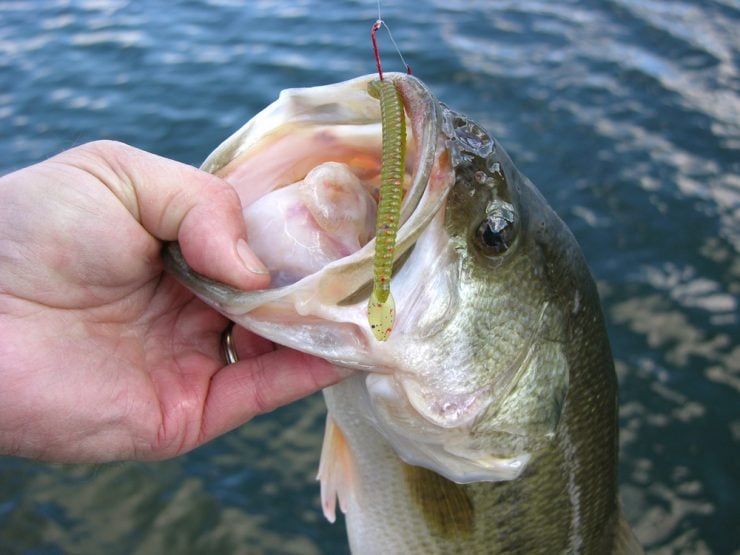
Fishing in North Carolina is more than just a weekend hobby. For a lot of people here it is a way of life. From small farm ponds to wide mountain lakes, the state has a huge range of fishing spots with something for everyone. To put this list together, I did not just rely on my own time on the water. I reached out to local anglers and others who know these waters well, and we asked our social media followers to share their favorite places to cast a line.
This article rounds up the top 30 fishing lakes in North Carolina based on real opinions and firsthand experience. Whether you are after bass, catfish, crappie, walleye, or trout, there is a lake here for you. Some spots are perfect for beginners, while others challenge even the most seasoned anglers. We wanted this list to be useful, honest, and full of the kinds of details that help you plan your next trip. So grab your rod, check the weather, and see which lake you want to hit next. Let us get into the best places across North Carolina to enjoy some solid fishing.
30. Lake Phelps
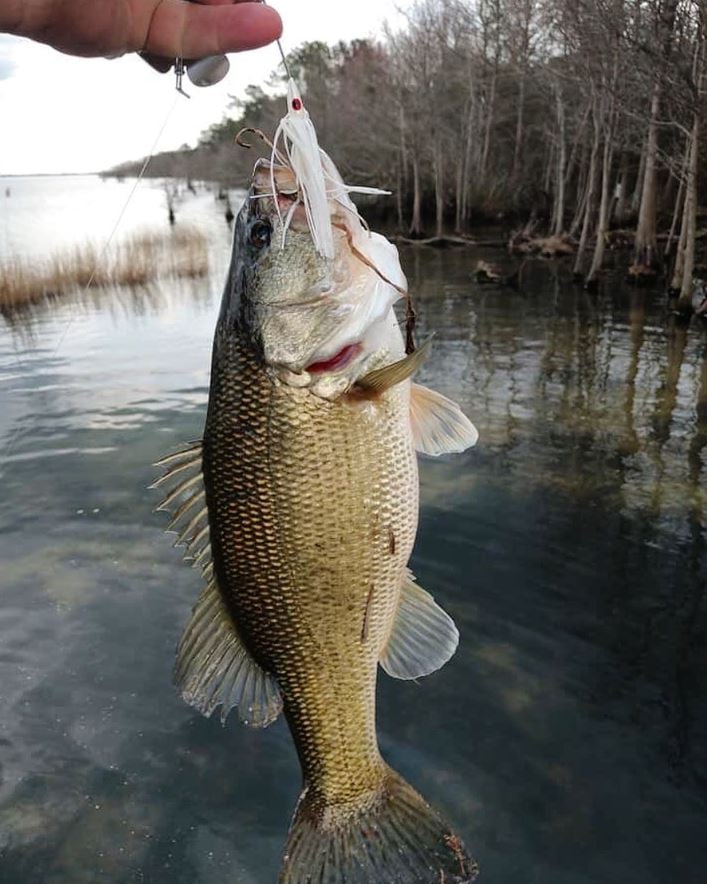
Lake Phelps, in eastern North Carolina, is one of the state’s largest natural lakes and offers quiet, open water for anglers. It holds largemouth bass, crappie, catfish, yellow perch, and sunfish, so there is steady variety for both newcomers and experienced fishers. The shallow, clear water sits inside Pettigrew State Park, which provides public access and boat ramps. Because it formed naturally rather than as a dammed reservoir, the lake has an unusual mix of habitat and species for the region. If you want a relaxed day away from the busy inland reservoirs, Phelps is a solid, low-pressure pick.
29. Lookout Shoals Lake
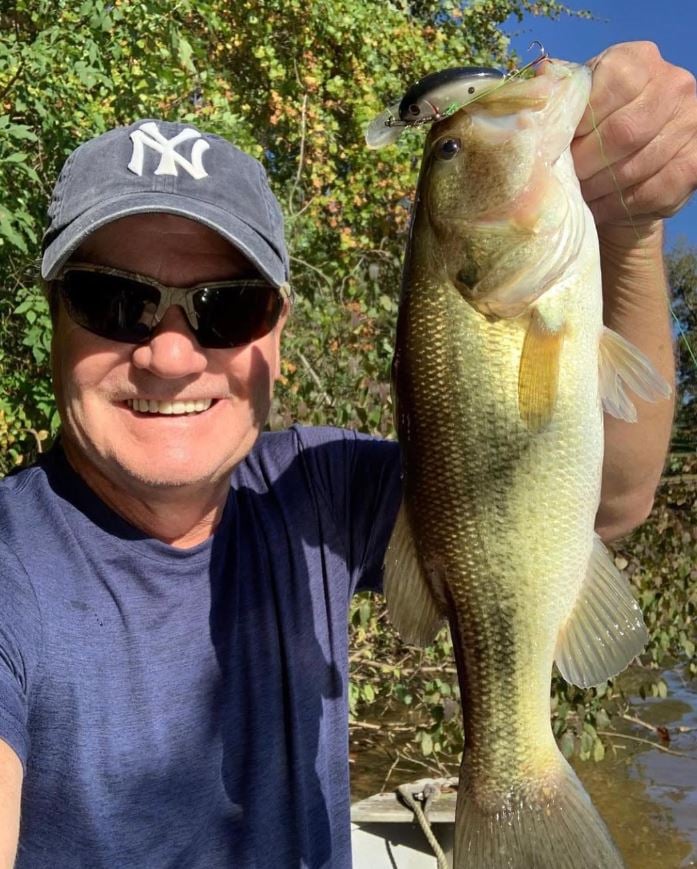
Lookout Shoals Lake, part of the Catawba River chain in western North Carolina, is a smaller reservoir with a laid-back feel. Anglers target largemouth and spotted bass, crappie, catfish, and white perch, though it does not carry the reputation of the bigger Catawba lakes upstream and down. There is decent cover in the form of submerged timber, rocky points, and coves. Public boat ramps make access easy, but the size suits smaller boats and anglers who would rather skip the crowds. It is a reasonable stop for a quiet outing, more of a local fishery than a true destination lake.
28. Lake Mattamuskeet
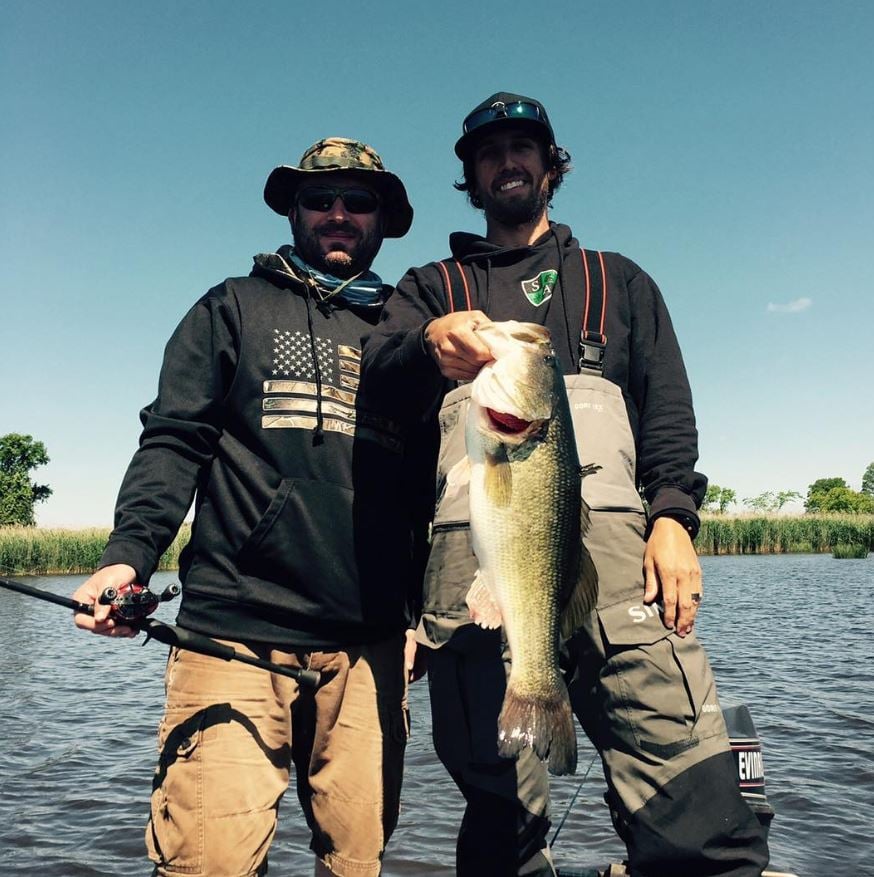
Lake Mattamuskeet, the largest natural lake in North Carolina, sits in the eastern coastal plain and fishes nothing like a mountain reservoir. This wide, very shallow lake once had strong bass fishing, but shoreline farming and habitat loss have thinned the largemouth out. The better bet now is catfish and white perch, with some crappie and sunfish mixed in. It sits inside a national wildlife refuge, so it draws heavy waterfowl and birdwatching traffic in the cooler months. Public ramps are available, though the shallow water makes large boats tricky. Come for the scenery and steady panfish action rather than trophy bass.
27. Nantahala Lake
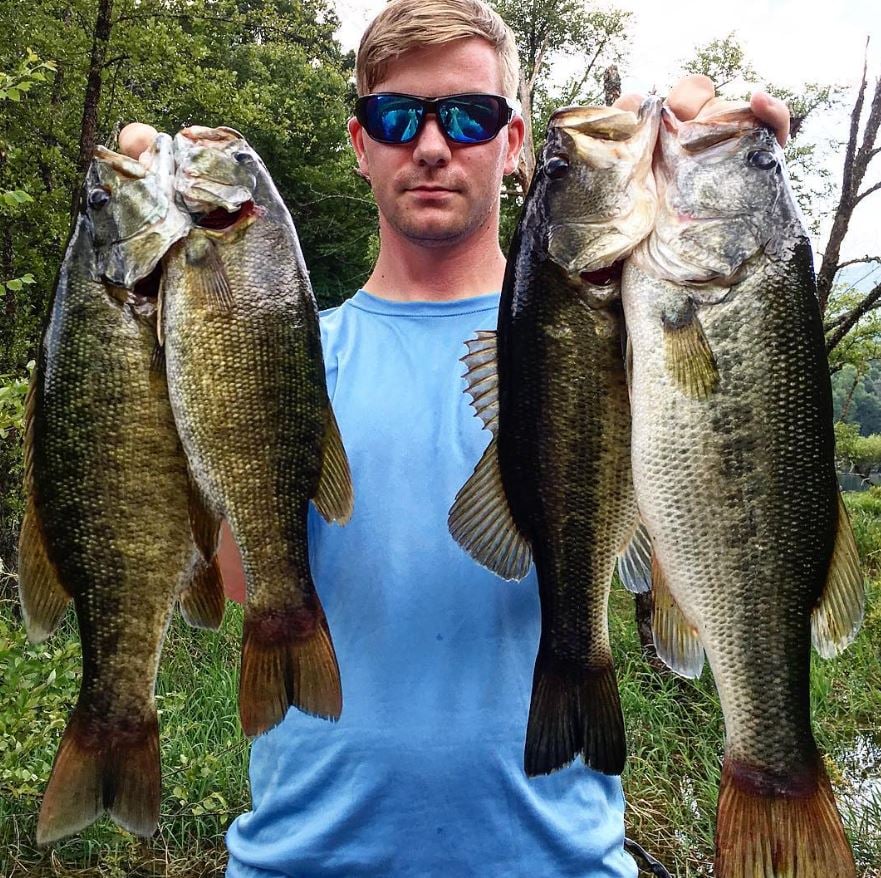
Nantahala Lake, high in the mountains of western North Carolina, gives anglers a cool, deep, clear-water fishery that stands apart from the warm lowland reservoirs. It holds smallmouth bass, largemouth bass, walleye, crappie, and a healthy trout population thanks to the cold water, which is rare among North Carolina lakes. The shoreline is mostly natural and undeveloped, with a few public ramps and access points scattered around. It is not a large lake, but the clear water and mountain setting make for a quiet, scenic trip. Bring light line and finesse tactics, since the clarity can make fish cautious.
26. Lake Hiwassee
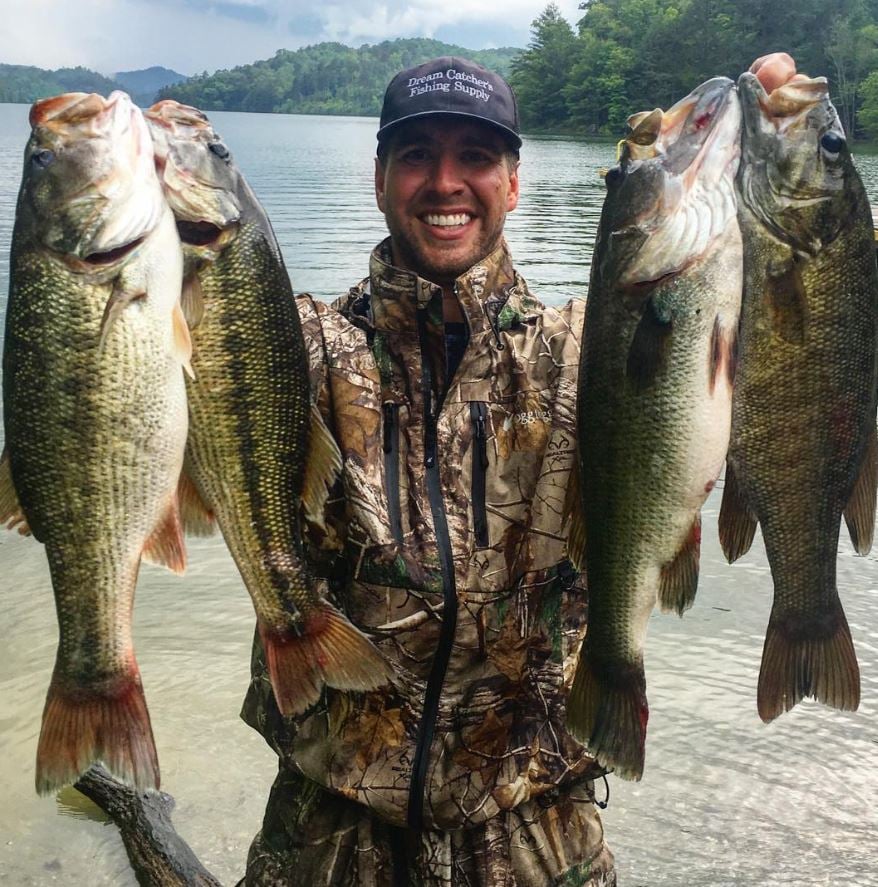
Lake Hiwassee, tucked in the far western corner of North Carolina, is a quiet pick for anglers who like uncrowded water. Surrounded by the Nantahala National Forest, this deep, clear lake holds largemouth and smallmouth bass, walleye, crappie, catfish, and even muskie, giving it more species range than most mountain lakes. The long, winding shoreline creates coves, points, and drop-offs that concentrate fish through the seasons. Public ramps make it easy to launch, though some banks are steep and rocky. If you want a mix of challenge and variety in a remote setting, Hiwassee delivers without the pressure of the larger reservoirs.
25. Lake Rhodhiss
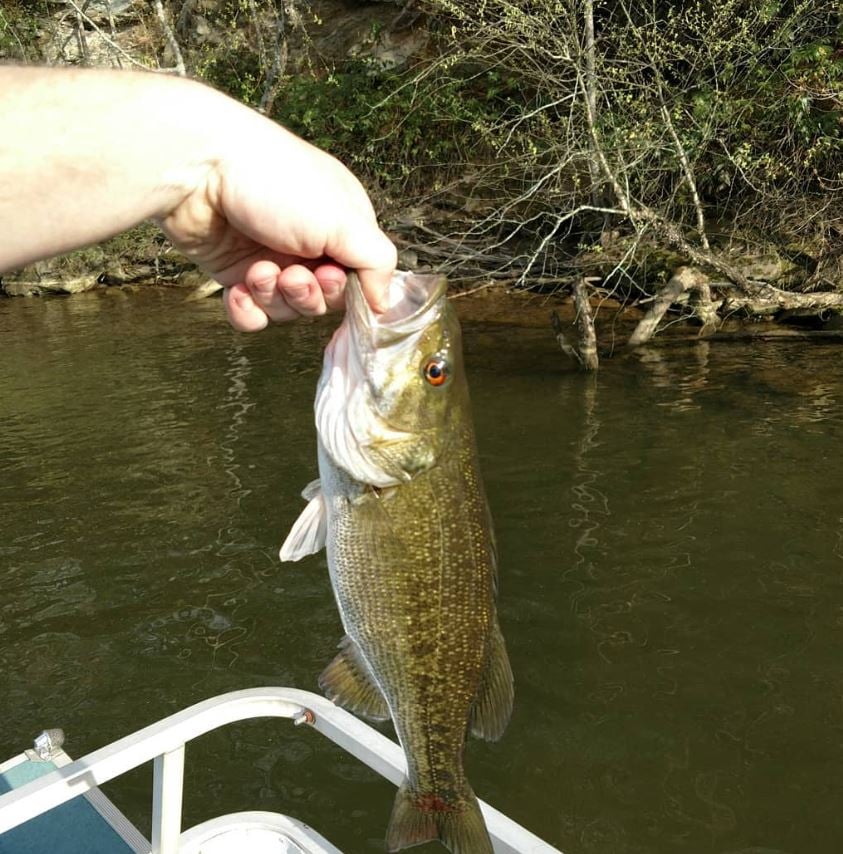
Lake Rhodhiss, on the Catawba River chain in the North Carolina foothills, is a solid mid-size option with good variety. The lake holds largemouth bass, catfish, crappie, white perch, and the occasional striped bass moving through. Rocky points, deep channels, and stained-to-clear water give you plenty of ways to fish it across the year. It is smaller and less famous than nearby Hickory or James, which keeps the pressure lower and the launches quieter. Public ramps and shoreline access make it easy to start, whether you bring a boat or fish from the bank. A dependable, low-key local fishery.
24. Lake Santeetlah
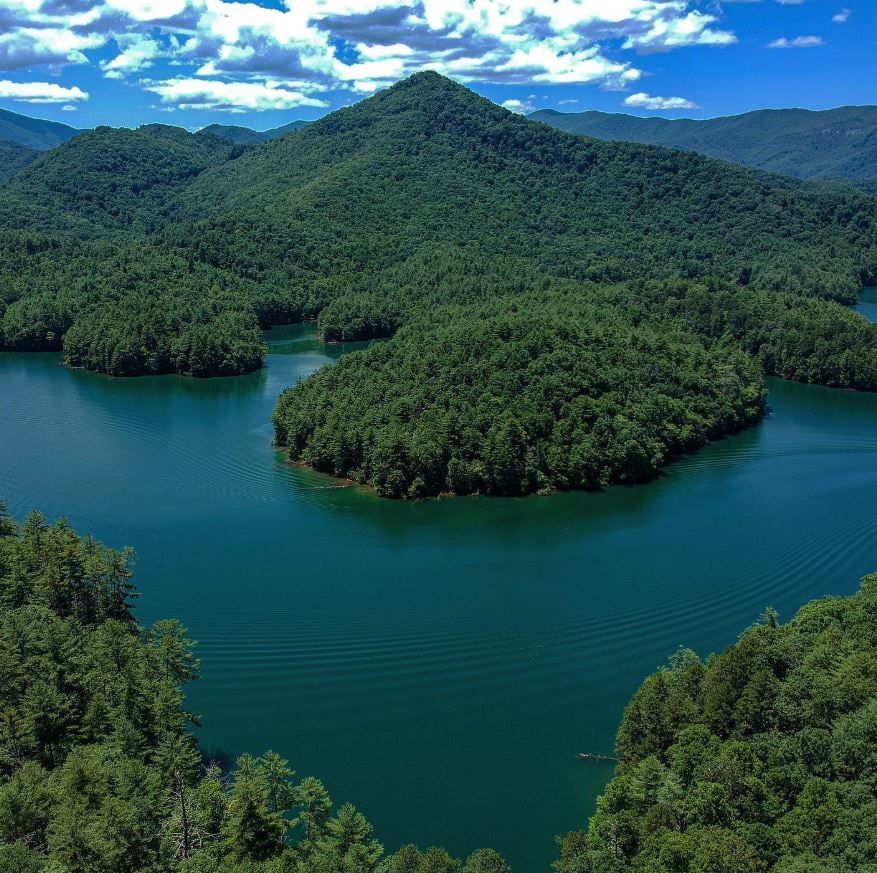
Lake Santeetlah, in the western mountains of North Carolina, is one of the prettier lakes in the state and a peaceful place to fish. The clear, deep water holds smallmouth bass, largemouth bass, walleye, crappie, and trout, with the cooler temperatures favoring the coldwater species. Quiet coves, rocky points, and deep channels give you room to work, and much of the shoreline is protected national forest land. Public ramps and bank access make it manageable for boaters and shore anglers alike. The cool, clear setting fishes differently from the warm lowland reservoirs, so plan on deeper, more deliberate presentations.
23. Lake Michie

Lake Michie, a 480-acre water-supply reservoir near Durham, is a quiet sleeper for anglers chasing big largemouth. The lake has a reputation for stout bass, with fish over seven pounds reported, and its calm water and motor restrictions keep traffic low and conditions relaxed. It also holds crappie and catfish for added variety. Wooded shorelines, stumps, and weed edges create good cover for casting plastics or working topwater early. A boat ramp provides access, and the small, peaceful setting suits kayaks and johnboats well. For a low-pressure trip with real big-bass potential close to the Triangle, Michie is worth the stop.
22. Sutton Lake
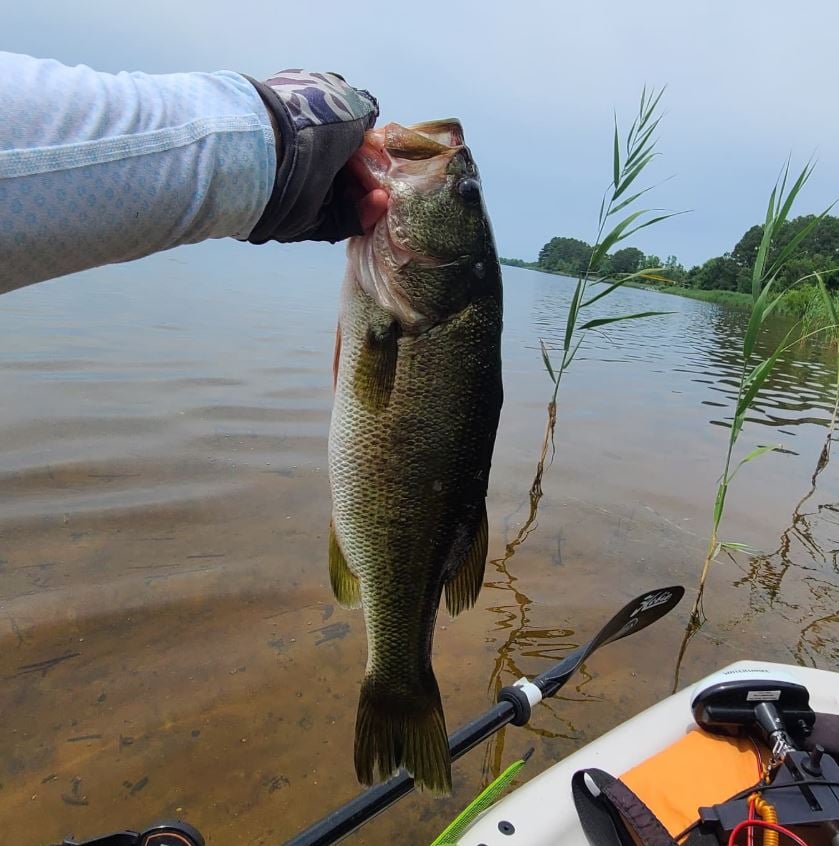
Sutton Lake, near Wilmington in southeastern North Carolina, is a warm-water power-plant lake that fishes well all year. The heated discharge keeps largemouth bass, catfish, crappie, and sunfish active even when nearby waters cool off in winter. The lake mixes open water, narrow channels, and grassy edges, which makes for interesting and varied conditions. Several public ramps and shoreline spots give both boaters and bank anglers easy access. It is a popular local destination for cold-month bass action when most other options slow down. If you are in the southeast corner of the state and want a reliable winter bite, Sutton is a good call.
21. Hyco Lake
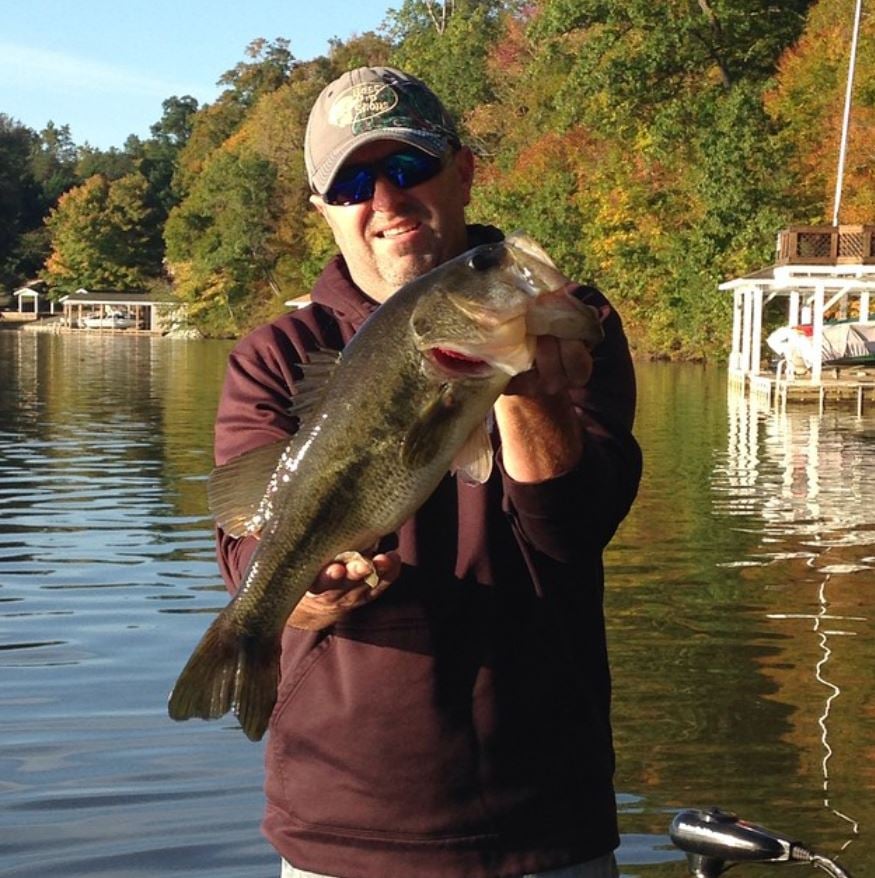
Hyco Lake, in northern North Carolina, is a warm-water power-plant lake that keeps largemouth bass, crappie, catfish, and sunfish active through the cooler months. Coves, points, and long open stretches give you plenty of water to cover, and several public ramps make launching simple. The heated water and solid bass numbers earn it a loyal local following. One thing to plan around: summer weekends bring heavy wake-boat traffic that can churn the main lake by midday, so early mornings and weekdays fish far better. Get out early and Hyco rewards you with a steady, dependable bite for the region.
20. Lake Lucas
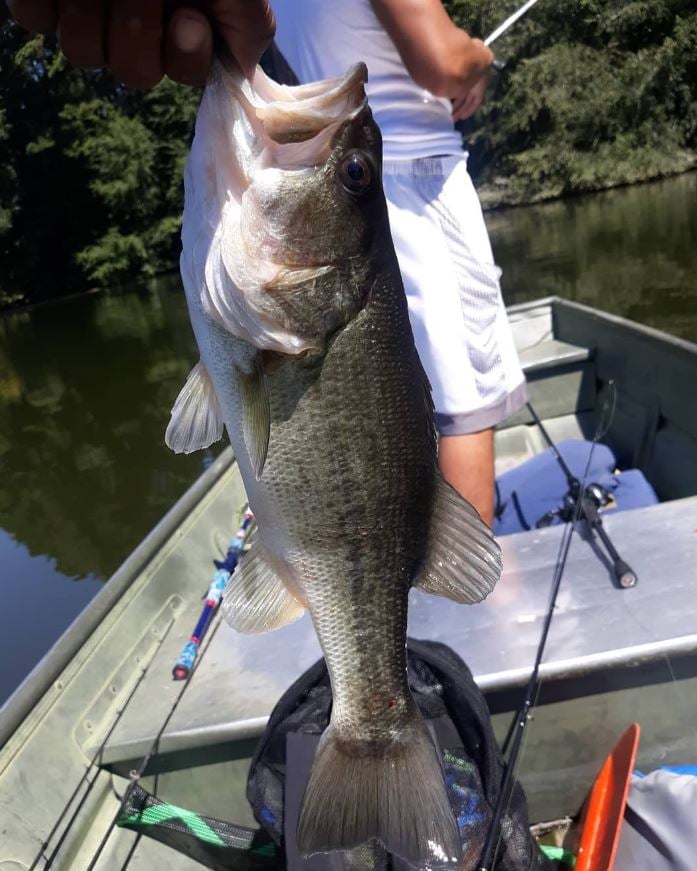
Lake Lucas, near Asheboro in central North Carolina, is a small municipal lake that local anglers know well. It is stocked and managed for largemouth bass, crappie, catfish, and bream, giving a nice spread for a low-key outing. Public access, a boat ramp, and a fishing pier make it convenient whether you fish from shore or launch a small boat. Motor limits keep the water calm and the experience relaxed. It will not compete with the big reservoirs on size or trophy potential, but for a quiet afternoon close to town it is a dependable, easygoing spot to wet a line.
19. Lake Tillery
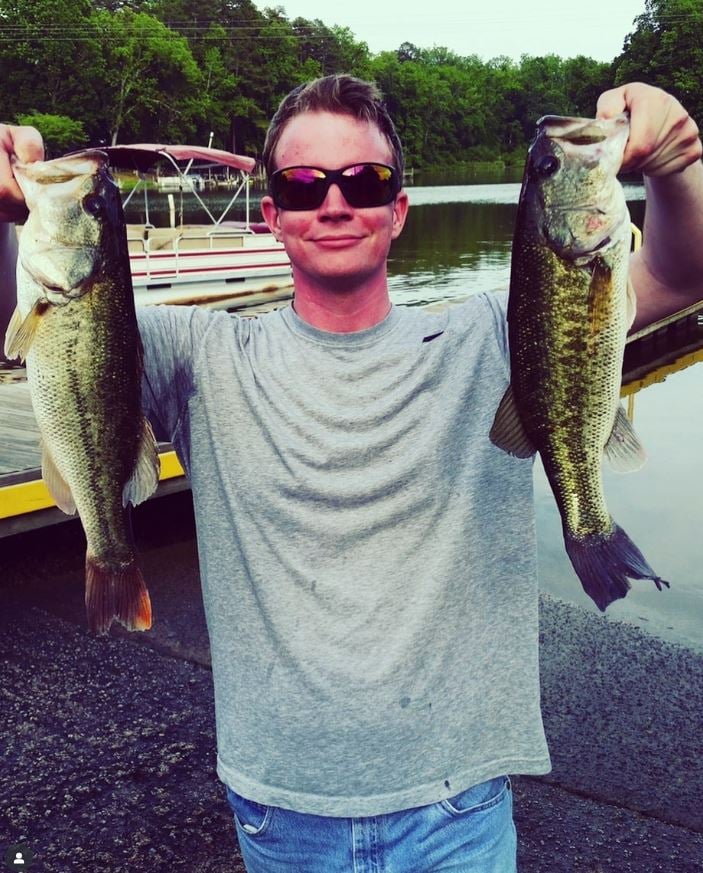
Lake Tillery, on the Pee Dee River in central North Carolina, is part of the Yadkin chain below High Rock and Badin. Anglers target largemouth bass, crappie, catfish, and white perch, with deep channels, rocky points, and docks to work through the seasons. It is a clearer, more developed lake than its upstream neighbors, and heavy boating and recreation traffic can make summer days busy. Opinions on it run mixed, so timing matters: early mornings, spring, and fall fish best. Several public ramps and shoreline spots keep access easy. Treat it as a steady producer rather than a trophy destination.
18. Lake Glenville
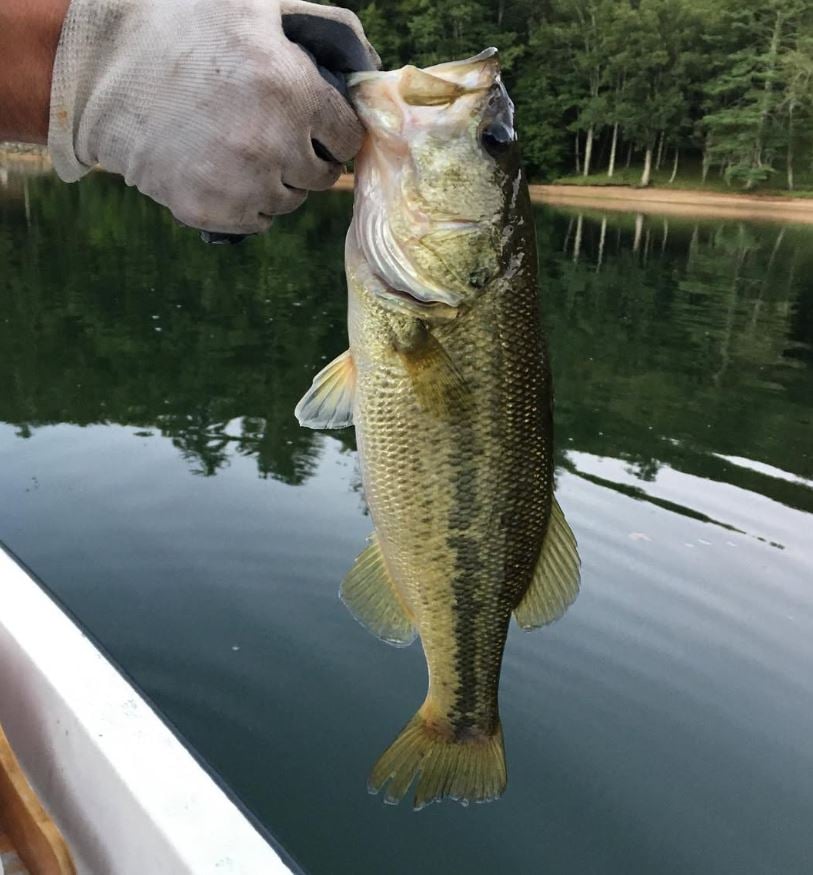
Lake Glenville, high in the mountains of western North Carolina, is the state’s highest lake by elevation and a scenic spot for coolwater fishing. It is on the smaller side, but it holds a good mix of smallmouth bass, largemouth bass, walleye, trout, and crappie. The cold, clear water stays deep and cool through summer, which pushes fish to predictable structure once you learn to read it. Rocky banks, quiet coves, and open mid-lake sections give you options from boat or bank. A couple of marinas and public access points make it reachable. A fun, varied trip for anyone fishing the mountains.
17. Lake Wylie
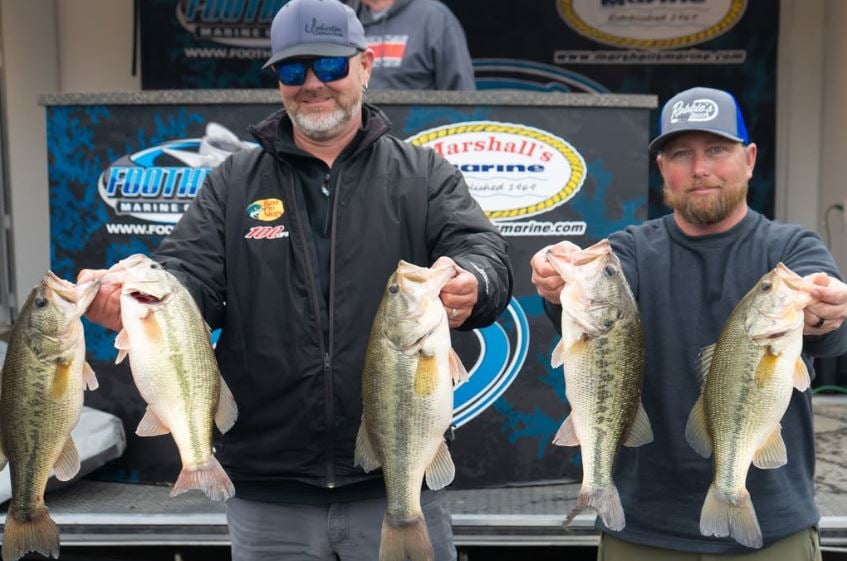
Lake Wylie, on the North Carolina-South Carolina border near Charlotte, is a large, popular reservoir with shallow flats, deep channels, and plenty of coves. It holds largemouth bass, crappie, catfish, white perch, and bream, so there is something for most anglers and skill levels. Being close to Charlotte, it gets busy on weekends, but early mornings and weekdays stay quieter. Public ramps and marinas make access simple. As with many urban reservoirs, it is worth checking current state fish-consumption advisories before you keep a stringer. For action and variety close to the city, Wylie stays consistent through the year.
16. High Point City Lake

High Point City Lake, a 540-acre reservoir in the Piedmont city of High Point, has a strong local reputation for bass. Anglers praise its chunky largemouth when conditions line up, and the lake’s laydowns, points, and shoreline grass beds suit topwater and flipping presentations. Crappie and catfish round out the options and add variety to a day on the water. Its location close to town makes it an easy choice for a quick trip, and regular management keeps catches reasonably consistent. It is a smaller urban fishery rather than a big-water destination, but for bass-focused anglers in the Triad it produces.
15. Belews Lake

Belews Lake, a 3,860-acre Duke Energy power-plant lake northeast of Winston-Salem, is one of North Carolina’s best-kept secrets and arguably its strongest year-round largemouth bite. The heated discharge keeps bass feeding through winter, when many other lakes shut down. Along with largemouth, the clear water holds spotted bass, white bass, crappie, catfish, and sunfish. Because it is deep and clear, fish often sit well off the bank, so do not be afraid to work structure down to forty or fifty feet. Underfished compared to the big reservoirs, Belews rewards anglers who put in the time with steady action and quality fish.
14. Randleman Lake
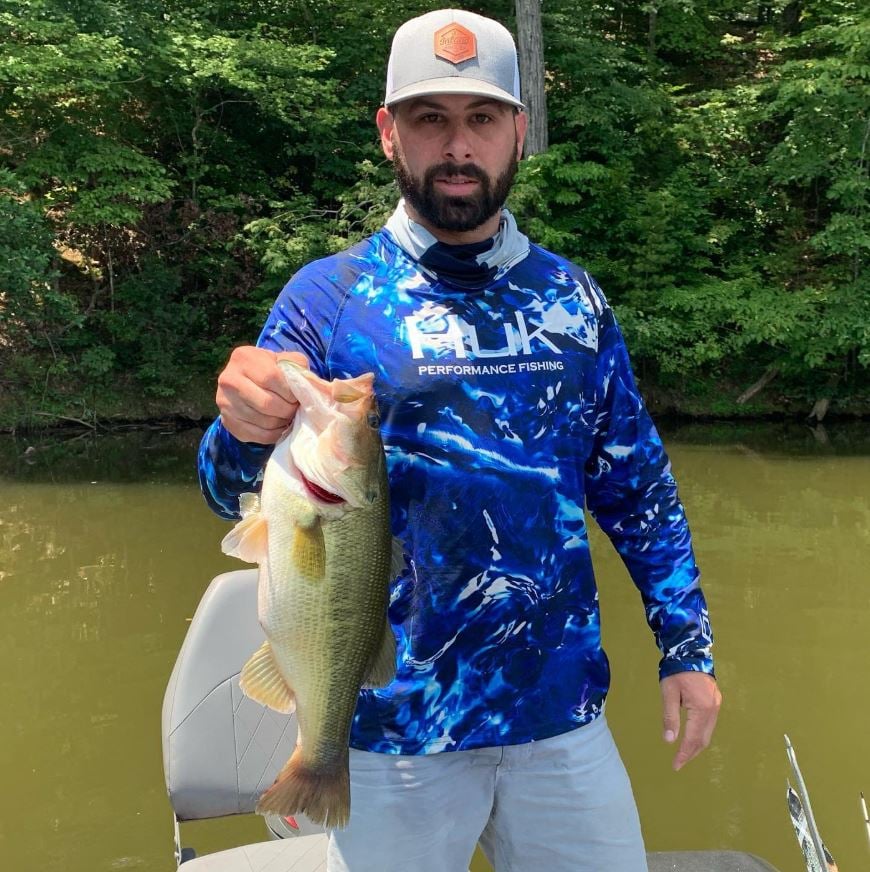
Randleman Lake, tucked in central North Carolina, is a favorite among local anglers. It’s well known for largemouth bass, but you’ll also find crappie, catfish, and sunfish in its waters. The lake is closely managed, with a speed limit and a daily cap on boats, which keeps the water calm and the fishing relaxed. There are two launch areas. One ramp serves all boats including motorized craft, while the other is set aside for kayaks and small non-gasoline boats. Bank fishing is heavily restricted here, so plan to fish from a boat and avoid posted shoreline to stay out of trouble.
13. Lake Hickory
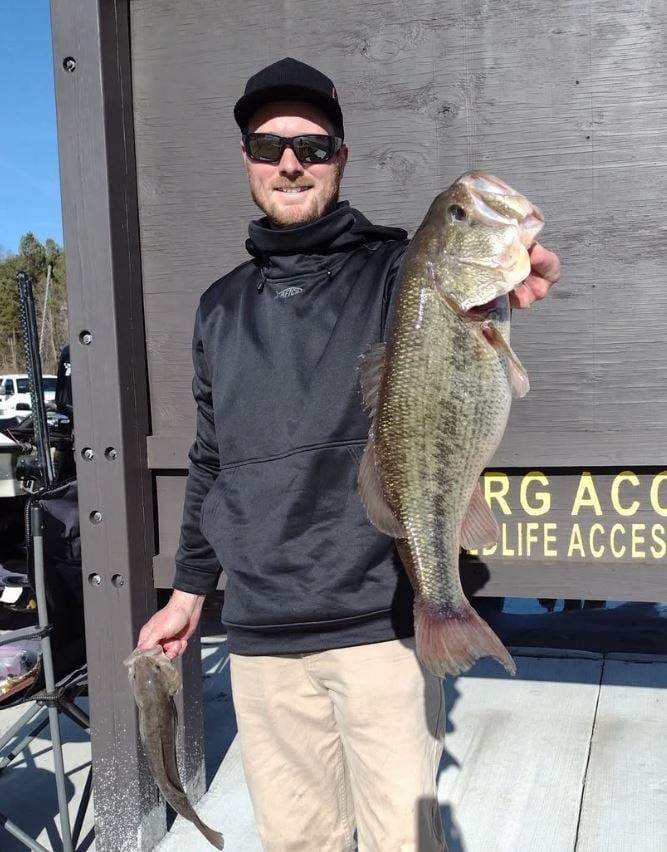
Lake Hickory, on the Catawba River chain in the North Carolina foothills, offers a varied and rewarding fishery. The lake holds healthy numbers of largemouth bass, striped bass, crappie, catfish, and white perch. Its water tends to run clear, which can make fish cautious and force anglers to work a little harder for a bite. Docks, rocky points, deep water, and brush piles give plenty of seasonal options. Several public ramps and marinas make access easy from boat or bank. With solid size, structure, and a real striper presence, Hickory rewards anglers who adjust to the conditions on a given day.
12. Lake James
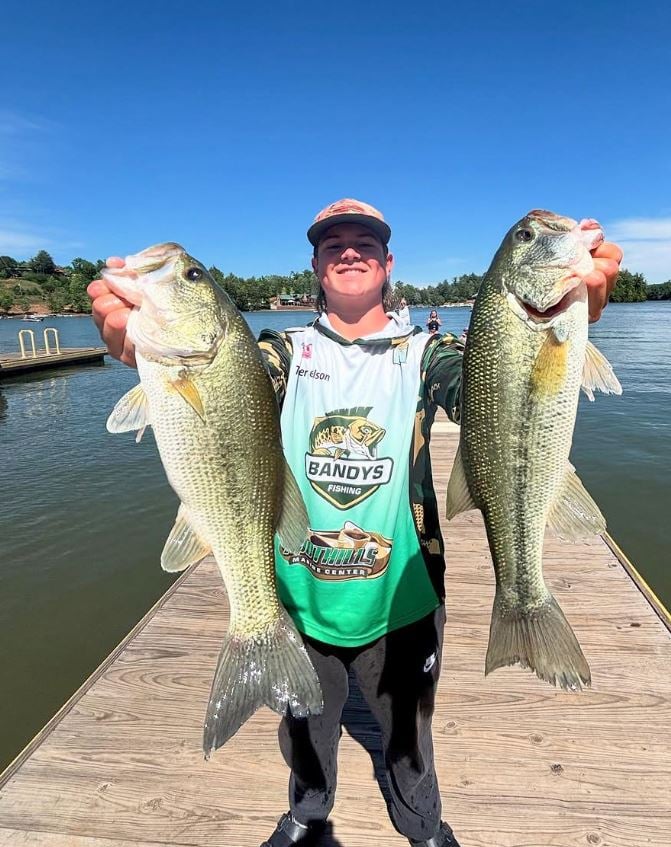
Lake James, at the base of the Blue Ridge Mountains in western North Carolina, is a wide, deep, clear reservoir with a strong species mix: largemouth and smallmouth bass, spotted bass, walleye, crappie, catfish, and muskie. The clarity and depth make it a genuinely tough lake at times, and locals will tell you it can fish slow, so patience and electronics pay off. Rocky points, long shorelines, and submerged structure hold fish, with walleye turning on as the water cools. Several public ramps make access easy. When you crack the pattern, James produces quality fish in a beautiful mountain setting.
11. Tuckertown Reservoir

Tuckertown Reservoir, on the Yadkin River between High Rock and Badin in central North Carolina, is a laid-back lake that flies under the radar. It carries healthy populations of largemouth bass, catfish, crappie, and white bass, with coves, channels, and rocky banks worth working in every season. Because it is less developed than the larger lakes around it, fishing pressure tends to stay lower. Public ramps and shoreline access make getting on the water simple. As part of the productive Yadkin chain, it shares much of the forage and fishery strength of its better-known neighbors while staying quieter. A solid, underrated pick.
10. Lake Chatuge
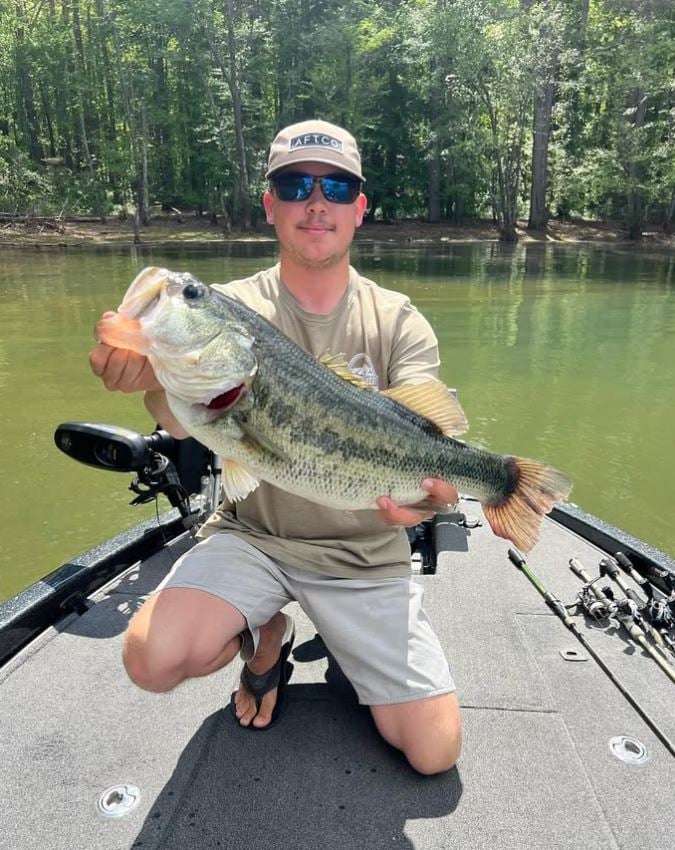
Lake Chatuge, right on the North Carolina-Georgia line, packs an impressive variety into a medium-size lake. Anglers chase spotted bass, largemouth bass, smallmouth bass, crappie, catfish, and hard-fighting hybrid striped bass, which makes for unusually diverse outings. The water is clear and fairly deep, so paying attention to where fish are holding matters, especially in the warmer months. Rocky points, creek mouths, and open water give plenty of places to start. Public ramps, marinas, and parks make access easy from boat or bank. With its scenery and species range, Chatuge consistently delivers a good shot at several different fish in one trip.
9. Fontana Lake
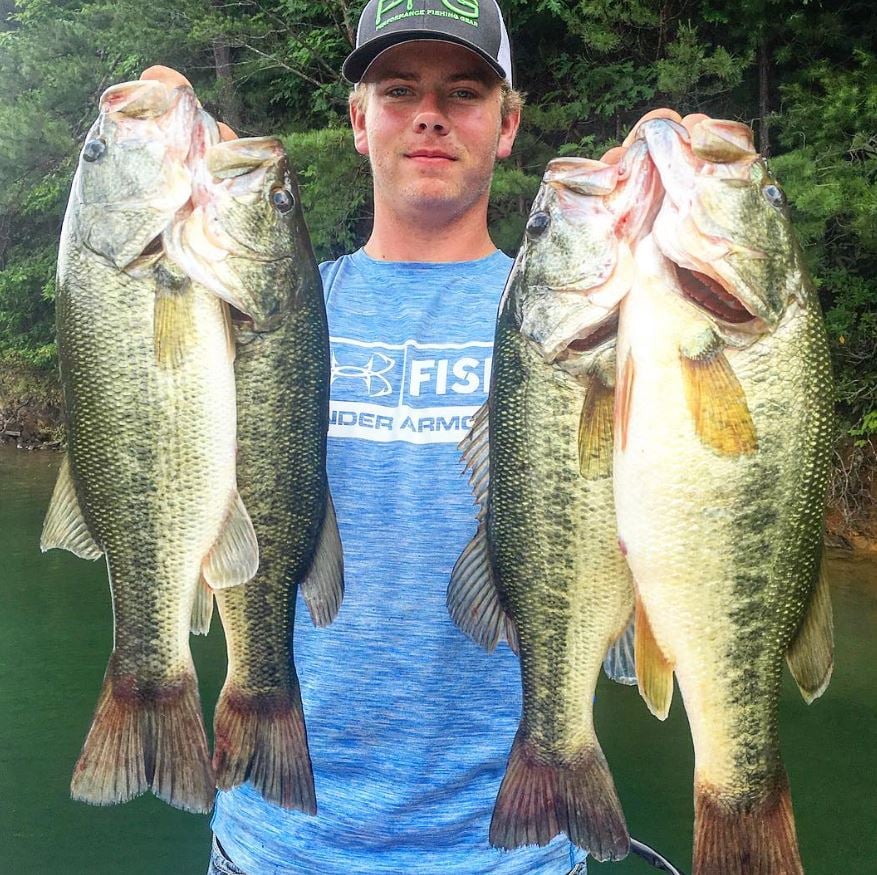
Fontana Lake, in the Great Smoky Mountains of western North Carolina, is one of the largest and most dramatic lakes in the state. Its deep, clear water holds smallmouth bass, largemouth bass, walleye, crappie, and catfish, and anglers also pick up trout trolling spoons in the cooler, deeper water. The depth keeps fishing productive even in midsummer heat, when fish slide deep. Rock walls, ledges, and coves give structure for every style, and the mountain backdrop is hard to beat. Access is a little remote, but several marinas and ramps serve the shoreline. A strong mix of challenge, scenery, and species variety.
8. Lake Norman
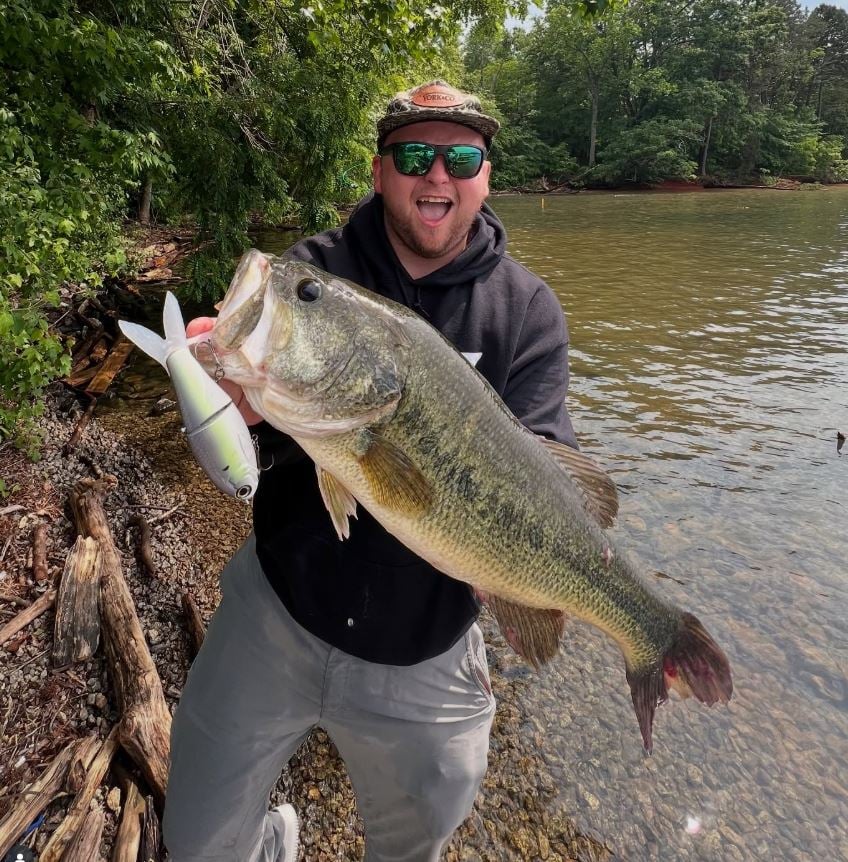
Lake Norman, just north of Charlotte, is North Carolina’s largest man-made lake and a true year-round fishery. Anglers come for spotted bass, largemouth bass, striped bass, crappie, catfish, and white perch, with spotted bass now dominating the bass population across much of the lake. The long, twisting shoreline offers endless coves, points, and open water, and there is room to spread out even on a busy weekend. Deep channels and shallow flats both hold fish depending on the season. Public ramps, parks, and marinas make access easy. Big, varied, and convenient, Norman rewards anglers who can adapt to its size and pressure.
7. Falls Lake
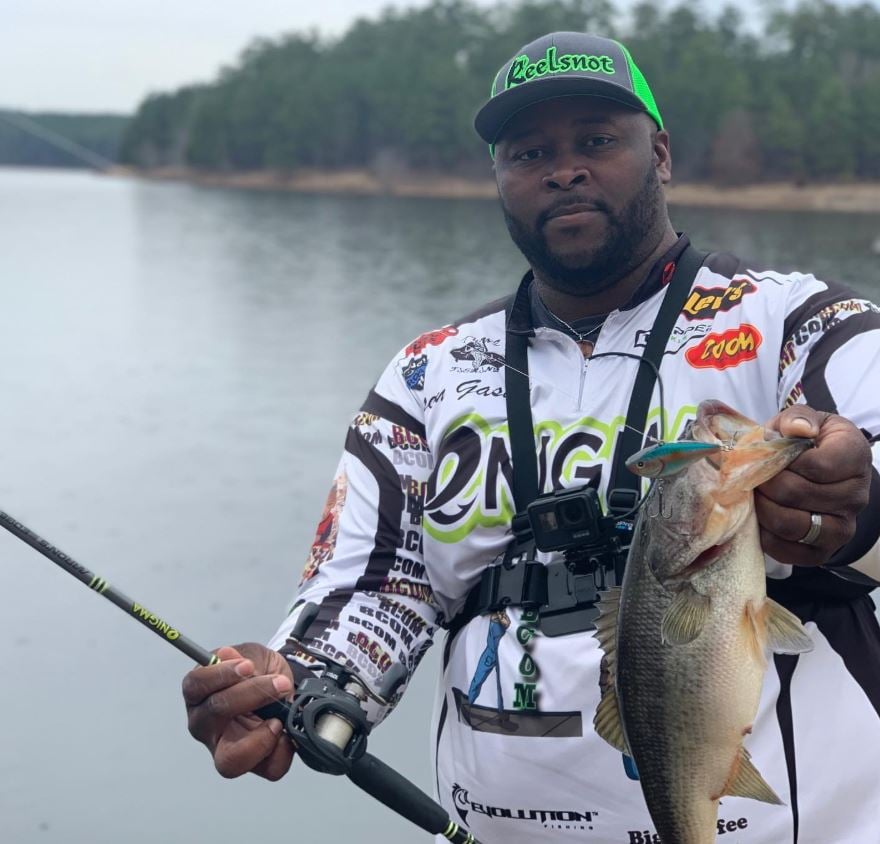
Falls Lake, just north of Raleigh, is a large, productive reservoir and a well-known tournament bass venue. It holds largemouth bass, crappie, catfish, sunfish, and white perch, with a mix of shallow cover, deeper drop-offs, and brush piles holding fish through the year. The long, narrow shape creates endless coves and pockets, so there is plenty of room to spread out. Boat ramps, fishing piers, and bank access make it easy to fish from a boat, kayak, or the shoreline. For steady action close to the Triangle without a drive to the mountains, Falls remains a dependable, popular choice season after season.
6. Badin Lake
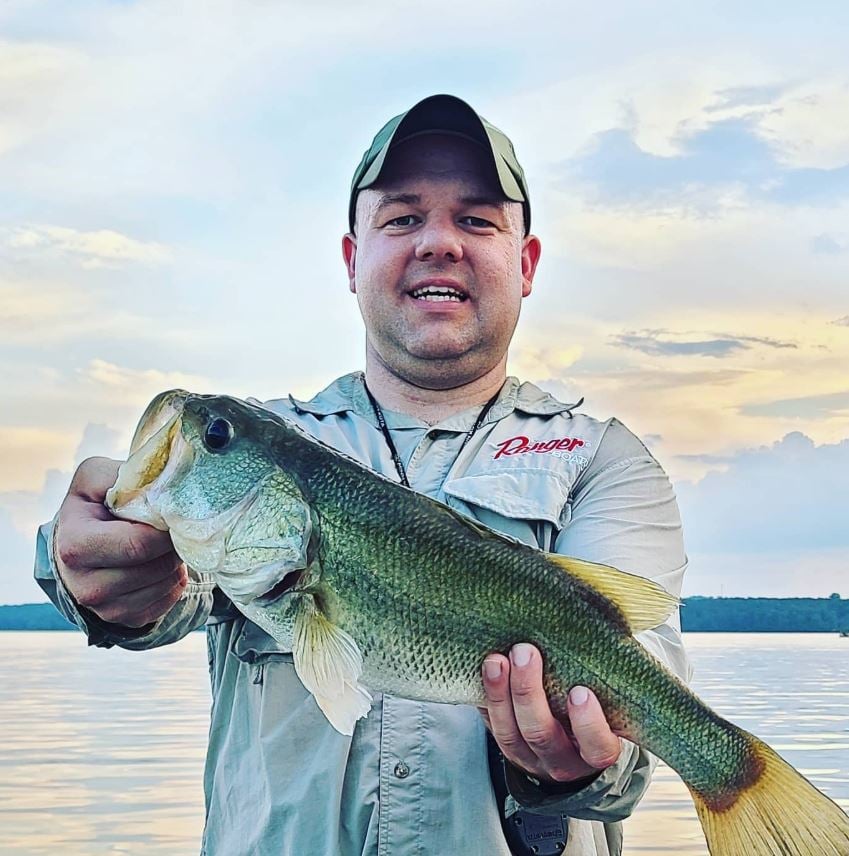
Badin Lake, ringed by the Uwharrie National Forest in central North Carolina, is a scenic and varied lake on the Yadkin chain. It produces largemouth bass, crappie, catfish, striped bass, and white bass, with rocky shorelines, deep channels, and brush piles to work. The lake runs deep in places, so seasonal adjustments in depth and presentation make a real difference. Public ramps, fishing piers, and campgrounds keep access easy for day trips or longer stays. Weekdays are quieter, while weekends draw both anglers and boaters. A genuinely good, well-rounded fishery, Badin offers variety and quality without the scale of the border reservoirs.
5. Lake Gaston
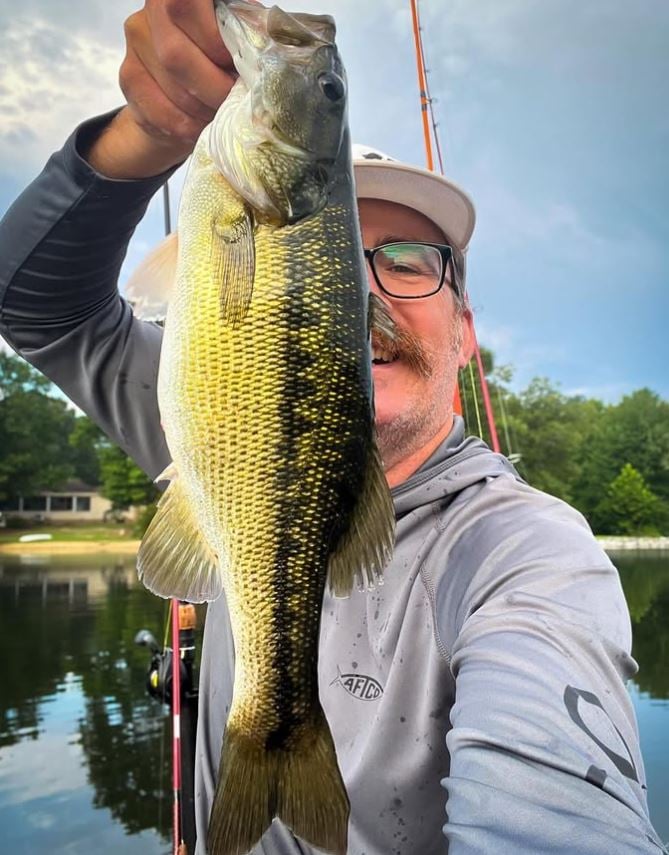
Lake Gaston, stretching across the North Carolina-Virginia line on the Roanoke chain just below Kerr, is one of the best all-around fisheries in the state. It has long been a premier largemouth lake, loaded with quality fish, and it also gives up stripers running below Kerr Dam, monster blue catfish, walleye, crappie, and white perch. Stable water levels by regulation help produce consistent spawns, and abundant grass concentrates baitfish and bass. Alabama spotted bass have moved in and shifted the mix, but the lake still fishes strong across the board. With over 350 miles of shoreline and easy access, Gaston is a year-round standout.
4. Jordan Lake
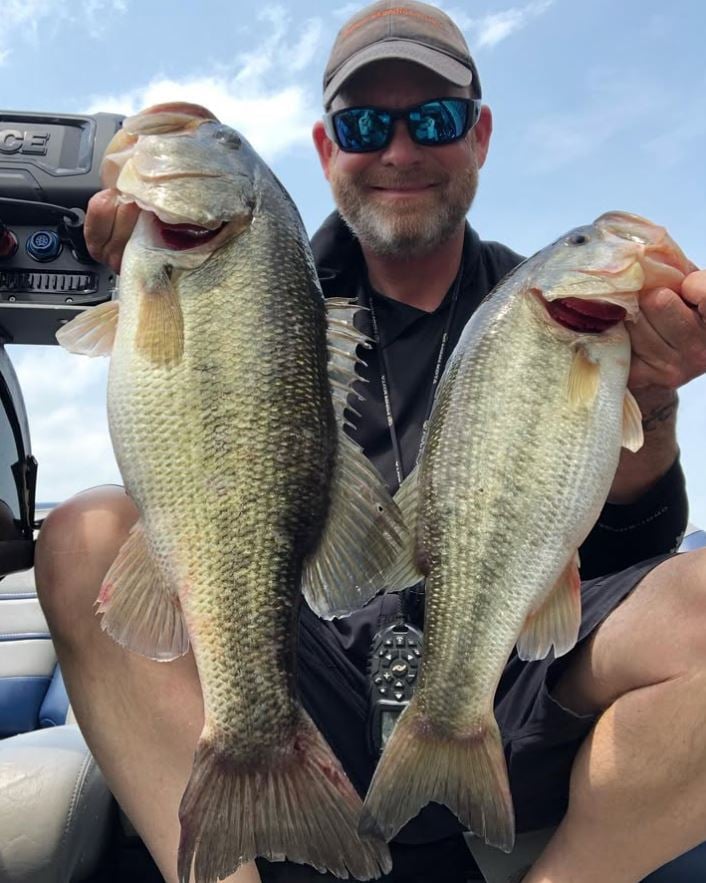
Jordan Lake, just west of Raleigh, is one of North Carolina’s most popular and productive reservoirs. It holds a healthy population of largemouth bass along with crappie, catfish, and white perch, drawing tournament anglers and casual fishers alike. The lake covers a wide area with shallow flats, deeper channels, and brush piles that hold fish, and the water often runs stained, which actually helps shallow-water bass patterns. Spring and fall bring the best action. Public ramps, fishing piers, and parks make access simple from boat or bank. Close to the city but big enough to feel open, Jordan consistently produces.
3. High Rock Lake
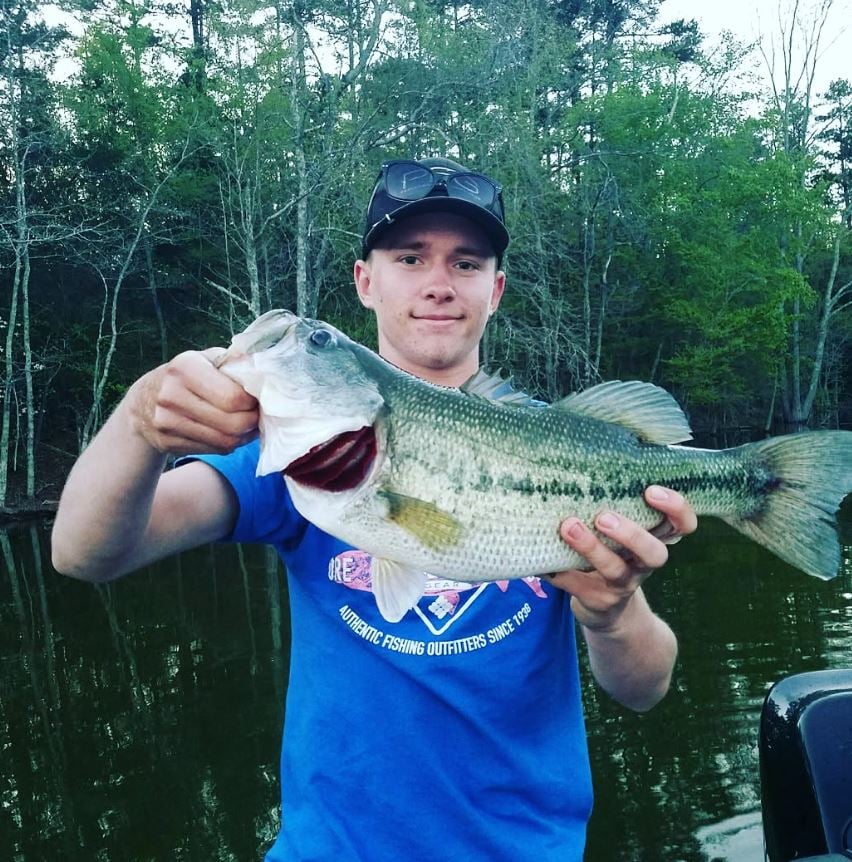
High Rock Lake, the second-largest lake in the state and the crown jewel of the Yadkin chain, is one of North Carolina’s premier bass-tournament destinations and has hosted the sport’s biggest events. It is famous for largemouth bass, and also gives up crappie, catfish, and striped bass. The shallow, stained water heats quickly and can change fast with the weather, which keeps the fishing dynamic and brings anglers back. Creeks, coves, and points provide endless places to fish. Boat ramps, marinas, and access points are plentiful. For serious bass anglers, High Rock belongs near the very top of any North Carolina list.
2. Shearon Harris Reservoir
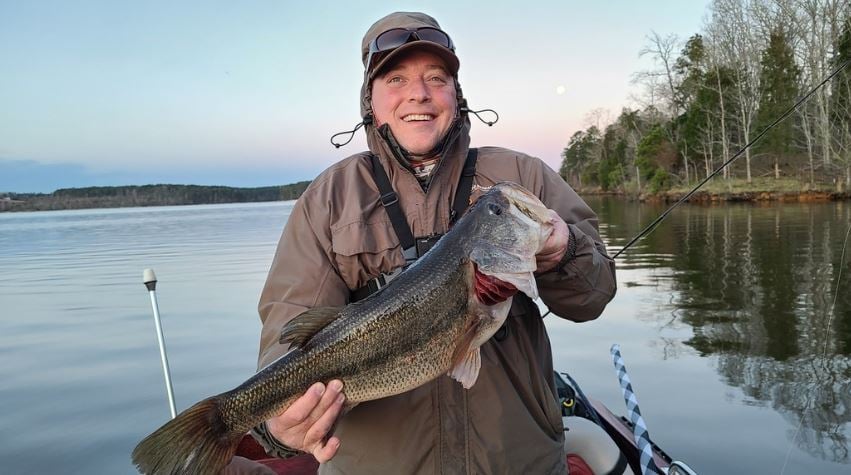
Shearon Harris Reservoir, often just called Harris Lake, sits southwest of Raleigh and remains North Carolina’s signature trophy-bass lake. It has produced double-digit largemouth for years and was once ranked among the top bass lakes in the country. The lake also holds crappie, catfish, white perch, and even northern pike, a real rarity for the region. A nearby power plant warms parts of the lake and keeps fish active in winter. Aquatic grass has thinned out over time, which scattered the bass and changed the patterns, but the trophy potential is still very much there. Undeveloped shoreline and good structure round it out.
1. Kerr Lake (Buggs Island Lake)
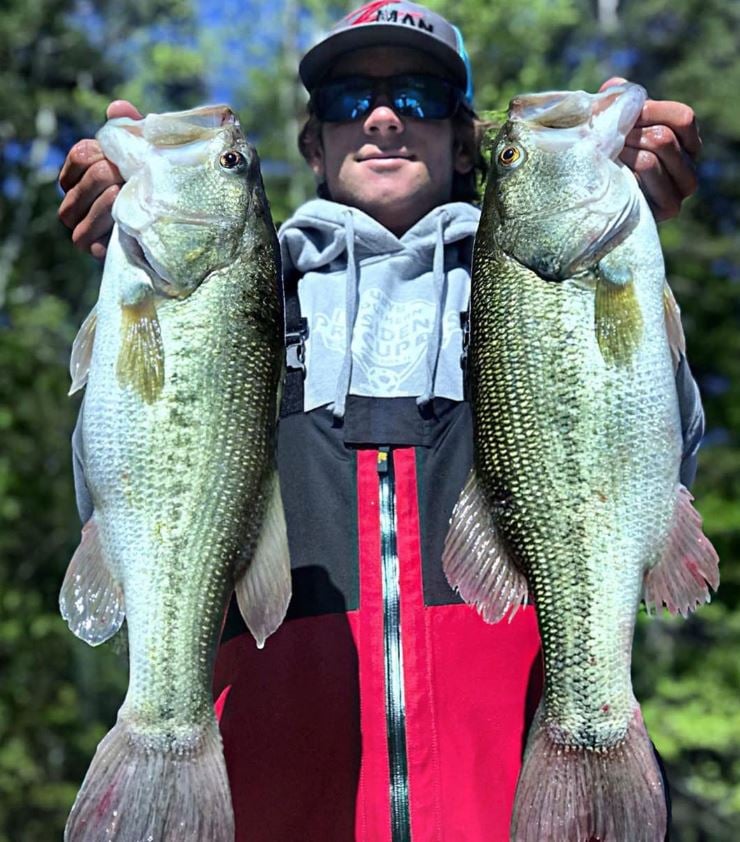
Kerr Lake, also known as Buggs Island Lake, spreads across the North Carolina-Virginia border and ranks among the biggest and best fisheries in the entire Southeast. It produced the all-tackle world-record blue catfish and is one of the very few lakes anywhere where striped bass reproduce naturally, supporting a strong spring run up the rivers. On top of that, it is widely considered one of the state’s top crappie waters, and it gives up quality largemouth bass and white perch as well. With endless coves, creeks, and points across roughly fifty thousand acres, plus abundant ramps and campgrounds, Kerr offers unmatched size, variety, and trophy potential. A clear number one.

More Info
North Carolina is packed with fantastic fishing spots, from giant border reservoirs like Kerr Lake and Lake Gaston to peaceful public lakes tucked into the mountains and Piedmont. Whether you are after largemouth bass, smallmouth bass, crappie, catfish, striped bass, walleye, or trout, there is a lake on this list for you. Many of these waters also offer public boat ramps, fishing piers, and shoreline access, making them great for both boaters and shore anglers.
Keep in mind, fishing regulations can change depending on the lake and species, so it is always smart to check the North Carolina Wildlife Resources Commission website before you head out. You will also want to make sure you have a valid North Carolina fishing license, whether you are a resident or visiting from out of state. On the border lakes like Kerr and Gaston, check which state’s license you need for the water you plan to fish.
If you are planning a trip, some of these lakes have nearby camping, cabin rentals, or towns with tackle shops and guide services. So you can turn a simple day of fishing into a fun weekend.
FAQ
Do I need a fishing license in North Carolina?
Yes. Anyone over the age of 16 needs a fishing license for both freshwater and saltwater fishing. You can buy them online, at tackle shops, or at big outdoor stores.
What is the best time of year to fish these lakes?
Spring and fall are usually the best because fish are more active. But summer and winter still offer good fishing if you adjust your tactics and know where the fish are hanging out. The power-plant lakes like Belews, Hyco, and Sutton can fish well all winter.
Are there any free fishing days?
Yes. North Carolina has a Free Fishing Day every year on July 4th. On that day, you can fish without a license on any public waters.
Can I fish from the shore at most lakes?
Many of these lakes have public shoreline access, but not all. Some areas might be private or restricted, so it is worth checking local access rules before you go.
Are boat rentals available at these lakes?
At many of the bigger lakes, yes. Places like Lake Norman, Kerr Lake, and Lake James often have marinas or local businesses that rent boats, kayaks, and even fishing gear.
What fish species can I catch?
It depends on the lake, but common catches include largemouth bass, smallmouth bass, spotted bass, crappie, bluegill, catfish, striped bass, white perch, and white bass. Some lakes also offer trout, walleye, or muskie.
Is there a size or bag limit?
Yes. North Carolina has size and creel (bag) limits for many fish species. These can vary by lake, so check the latest rules from the NC Wildlife Resources Commission to avoid fines.


Not a single mention of Carp or Buffalo anywhere in this article despite the fact that some of the lakes mentioned are among some of the best in the state for those species.
Jordan Lake is nasty
No mention of trout in Fontana Lake. I’ve caught several trout in Fontana Lake trolling with sutton spoons.
In reference to Hyco lake… I go there all the time fishing…. BUT… in summer you will not do much fishing past lunch time due to the LARGE AMOUNT of wake boats that keep the water churned up with 3-4ft wakes…. Not to mention the drunks out on lake in those nuisance boats driving reckless they are mostly 25 yr old and younger who think they own the lake in their $80 k wake boat mom and dad bought them.