

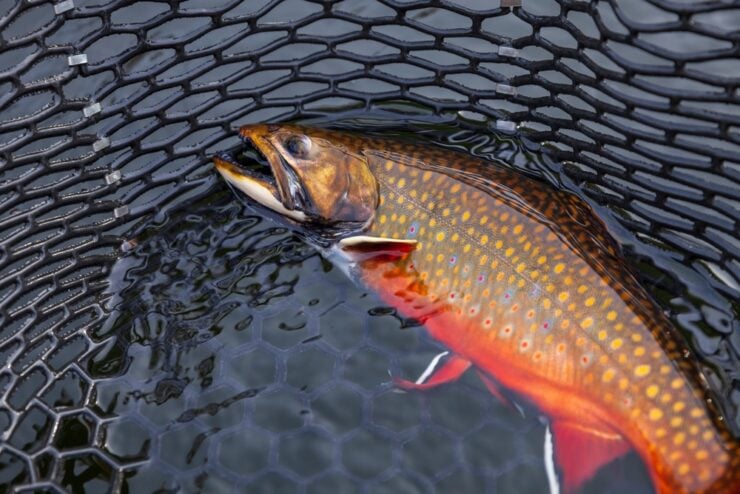
Maine is home to some of the best trout fishing in the Northeast, with hundreds of miles of cold, clear water winding through its forests, mountains, and quiet backroads. From small streams tucked deep in the woods to wide rivers flowing through historic towns, the state offers something for every angler. As someone who’s spent time fishing many of these waters, I wanted to create a list that went beyond personal favorites. To make it more complete and fair, I reached out to local anglers, guides, and fly shop owners across the state. Their experience added valuable insight into which streams consistently produce trout and offer a great fishing experience.
To go even further, we asked our social media followers to share their go-to trout waters in Maine. Their feedback helped shape this list and highlighted some hidden gems that deserve more attention. The result is a blend of well-known rivers and lesser-known creeks—each one recommended by people who fish them year after year. Whether you’re new to Maine waters or looking to discover a new favorite, this list of the Top 30 Trout Streams is here to help guide your next fishing trip. Grab your rod and enjoy exploring these beautiful streams.
30. Nesowadnehunk Stream

Nesowadnehunk Stream winds through the heart of Baxter State Park in north-central Maine, draining a chain of remote ponds before joining the West Branch of the Penobscot. Its cold, fast water tumbles over ledges and through deep pools in some of the most dramatic wilderness scenery in the state. Brook trout and landlocked salmon hold in the rocky runs, with the best fishing coming in late spring and early fall when water temperatures drop. Access is limited to park roads and foot trails, which keeps pressure low and fish populations healthy. For anglers who want wild trout in a true backcountry setting, Nesowadnehunk delivers.
29. Piscataquis River

The Piscataquis River flows through central Maine, draining the highlands south of Moosehead Lake before joining the Penobscot near Howland. It runs through a mix of birch forest, open farmland, and quiet backroads, with easy access along much of its length. The river is primarily a stocked fishery, with brook trout planted by MDIFW in spring and fall. Fishing is best in the weeks immediately following a stocking run, with action tapering off as water warms through summer. Cooler tributary mouths and shaded bends hold fish longest into the season. For anglers in central Maine looking for a convenient place to chase brook trout without a long drive north, the Piscataquis is a reasonable option.
28. St. Croix River

The St. Croix River runs along Maine’s eastern border, forming a natural boundary with Canada as it winds through forests and remote stretches of Washington County. It is primarily a smallmouth bass fishery, and a good one, with 50-fish days not unheard of in the lower tailwater sections. Brook trout and landlocked salmon do appear in the upper river, particularly in spring when water temperatures are still cold, and the stretch below Vanceboro offers the best trout opportunity. Anglers who make the trip by canoe or drift boat will find beautiful, uncrowded water. Just come with realistic expectations and a backup plan for bass.
27. Royal River

The Royal River flows from Auburn through North Yarmouth and into Casco Bay at Yarmouth, making it one of the more accessible trout fisheries in southern Maine. It is a stocked river, receiving brook trout and brown trout from MDIFW each spring, with the best fishing coming in April and May before water temperatures climb. Dam pools hold fish longer into summer, and there are rumors of sea-run brown trout moving in from the bay in winter. Heavy development in the watershed can affect water clarity after significant rain events, so timing matters. For southern Maine anglers who want a convenient option close to Portland, the Royal delivers a decent spring fishery without a long drive north.
26. Kenduskeag Stream

Kenduskeag Stream starts in the hills of central Maine and flows into the Penobscot River at Bangor. Though it runs near towns and roads, parts of the stream still feel wild and natural. Cold, spring-fed water helps keep trout active in the upper stretches, where pools and small rapids create great spots to cast. It’s a short stream, but one with good variety—some fast runs, some deep bends, and plenty of cover for fish. Locals know it as a convenient place to catch brook trout without going far. For quick access and surprising trout, Kenduskeag is a solid pick.
25. St. George River

The St. George River flows about 57 miles from the hills of Knox County down to tidewater at Thomaston, passing through a mix of farmland and wooded stretches along the way. MDIFW stocks it with brook trout and brown trout, and the best fishing comes in spring when fresh fish are active and water temperatures are still favorable. By midsummer the river warms and trout become harder to find, so plan your trips for April through June. The upper sections above the tidal influence offer the most consistent trout habitat, with gravel runs and shaded pools that hold fish longer into the season. A solid pick for midcoast anglers looking for accessible stocked water without venturing far from home.
24. Presumpscot River

The Presumpscot River flows about 25 miles from Sebago Lake to Casco Bay, making it the most accessible trout fishery in the Portland area. MDIFW stocks it heavily with brook trout, brown trout, and landlocked salmon throughout spring and fall, and the fly-fishing-only section along Route 35 in Windham is the most popular stretch. It is primarily a put-and-take fishery with little natural reproduction, and the river runs too warm for trout through most of summer. The best fishing comes in April and May right after stocking, and again in October when fall fish go in. Dam removals over the past two decades have improved fish passage and water quality considerably. For anglers in the greater Portland area who want trout without a long drive, the Presumpscot is a practical and productive option in spring.
23. Meduxnekeag River

The Meduxnekeag River flows through northern Maine, near the town of Houlton, and winds its way into New Brunswick. It’s a gentle stream with stretches of cool, clear water that support native brook trout. The river passes through farmland, forest, and wetlands, creating a mix of habitats for fish and wildlife. Trout can be found in shady bends, undercut banks, and slow-moving pools. It’s a good spot for fly fishing, especially in spring and early summer. The Meduxnekeag isn’t crowded, making it ideal for a quiet day on the water. It’s a hidden gem with steady action and easy access.
22. Aroostook River

The Aroostook River stretches across northern Maine, cutting through farmland, woods, and small towns. It’s a large river with many quiet spots where brook trout can be found, especially in spring and fall. The river’s cooler headwaters are best for trout, while lower sections hold other fish like bass. Anglers often enjoy wading or paddling to reach the best pools and runs. Though not as well-known as other rivers, Aroostook has a steady charm and plenty of space to explore. Its slow curves and peaceful banks make it a relaxing place to fish and connect with the northern Maine landscape.
21. Seboeis River

The Seboeis River flows through a quiet part of central Maine, linking Seboeis Lake to the East Branch of the Penobscot. It’s a mix of calm stretches and steady currents, with deep pools and rocky spots where brook trout often hide. This river is known for its wild feel—thick woods, few people, and lots of wildlife. The water stays cool, making it a good place for trout during warmer months. It’s best fished by canoe or kayak, as some parts are hard to reach by foot. The Seboeis offers anglers a real backcountry experience with the promise of quiet water.
20. Sheepscot River

The Sheepscot River runs through midcoast Maine, passing through farmland, forests, and small villages. It’s one of the few rivers in the region that still supports wild brook trout. Clear water, shady banks, and gravel bottoms make it a healthy home for trout, especially in the upper sections. Some parts of the river are small and winding, perfect for light tackle and careful casting. It’s a good stream for those who enjoy walking along quiet banks and fishing in peaceful spots. Though close to towns, the Sheepscot still feels natural, offering a nice balance of access, beauty, and trout habitat.
19. Wild River

The Wild River runs through the White Mountain National Forest in western Maine, near the New Hampshire line. True to its name, it flows through remote, untouched land with no dams and very little development. It’s a cold, clear stream with fast water, steep banks, and lots of boulders—perfect for brook trout. The upper sections are best for fishing, where the water stays cool and deep pools hold fish. It’s not the easiest river to reach, but the reward is quiet water and healthy trout. For those who want a real backwoods fishing trip, the Wild River is a top pick.
18. Machias River

The Machias River flows through wild, eastern Maine, far from busy roads and towns. It’s a long, free-flowing river with a mix of fast water, deep pools, and rocky runs. This river is home to brook trout and also sees Atlantic salmon in some seasons. Anglers who enjoy remote waters and natural beauty will find the Machias a great place to explore. It’s best reached by canoe or kayak, and trips often include more than just fishing—wildlife watching, camping, and quiet paddling. The Machias offers a real adventure for those who want trout fishing in a truly untouched setting.
17. Pleasant River

The Pleasant River drains a quiet corner of Washington County in Downeast Maine, flowing through blueberry barrens and spruce forest near Beddington before emptying into the bay at Addison. Its tea-stained water is cold and clean, supporting native brook trout in the upper reaches where the current stays swift and shaded. The river is narrow and intimate, well-suited to light tackle and careful wading. Spring is the prime season, when high water pushes trout into accessible pools and fish are actively feeding. Canoe access opens up additional stretches that are difficult to reach on foot. Less visited than rivers in the Rangeley or Moosehead regions, the Pleasant offers a genuine Downeast experience with wild fish and very little company.
16. Carrabassett River

The Carrabassett River runs through the western mountains of Maine, draining the slopes around Sugarloaf and flowing south to join the Kennebec near North Anson. Its upper reaches stay cold well into summer thanks to elevation and shading from the surrounding forest, making it one of the better wild brook trout streams in the Kennebec watershed. The river tumbles through a mix of pocket water, ledge drops, and deep pools that hold fish in predictable spots. Spring and early summer are the strongest seasons, with good dry fly action during caddis and mayfly hatches. Access is straightforward along Route 27, with plenty of pull-offs and short walks to productive water. A solid western Maine option that sees far less pressure than the better-known Rangeley rivers nearby.
15. Moose River

The Moose River loops through the Jackman area of Somerset County before emptying into Moosehead Lake, passing through some of the most remote and lightly fished country in western Maine. Its cold water supports native brook trout throughout, with the best fishing in spring and again in early fall when temperatures drop and fish become aggressive. The river is easy to reach along Route 201, which follows much of its length, giving anglers good access without a long hike. Deeper pools and alder-lined bends are the most productive spots, particularly in summer when trout push into cooler, shaded water. Landlocked salmon also move through the lower river on their way to and from Moosehead Lake. A reliable and underrated fishery that rewards anglers willing to explore beyond the obvious Moosehead destinations.
14. Grand Lake Stream

Grand Lake Stream is one of Maine’s most famous trout waters, known for both brook trout and landlocked salmon. It flows from West Grand Lake and stays cool and steady, making it a reliable fishing spot from spring through fall. The stream is short but full of deep runs and rocky ledges where fish like to hold. It’s easy to reach and well-loved by fly fishers who return year after year. The nearby village shares its name and has a strong fishing history. For anglers looking for steady action, beautiful surroundings, and a classic Maine experience, Grand Lake Stream delivers every time.
13. Allagash River

The Allagash River, a northern Maine legend, winds through vast forests from Churchill Lake to the St. John, embodying wild freedom. Its icy, clear flows teem with native brook trout, their colorful sides flashing in rocky shallows. Ideal for canoe trips, the river’s remote bends challenge anglers with swift rapids and calm pools where fish strike boldly. Summer’s soft light sparks surface feeds, while fall’s chill sharpens every tug. Spruce and fir line its banks, offering solitude rarely touched by crowds. Less accessible than southern streams, the Allagash rewards bold explorers with fierce trout and timeless quiet, a true taste of Maine’s untamed spirit.
12. Narraguagus River

The Narraguagus River, a Downeast Maine jewel, meanders from Cherryfield’s blueberry barrens to the tidal flats, weaving a spell for trout seekers. Its cool, clear channels brim with native brook trout, their silvery sides flashing in pebbly runs, and rare sea-run fish that thrill with unpredictable dashes. Summer’s low flows reveal sipping trout in quiet bends, while spring’s rush brings lively chases through braided riffles. Framed by alders and mossy rocks, the river feels like a secret shared with herons and otters. Canoes glide its calmer stretches, perfect for casting to hidden pockets. Less crowded than western streams, it offers peace, with only the water’s chuckle breaking the hush. Anglers trade tales of vibrant fish in cedar-lined pools, where every strike feels earned. For those drawn to solitude and spirited catches, the Narraguagus paints a vivid stroke of Maine’s coastal wild.
11. Fish River

The Fish River, a northern Maine treasure, winds through Aroostook County’s rolling hills, linking a chain of lakes near Fort Kent. Its chilly, amber waters brim with brook trout, their emerald backs glinting in shallow runs, offering anglers a shot at both scrappy natives and occasional bruisers. Less flashy than southern streams, it shines with subtle charm—gravel bars and alder-lined banks create a cozy, intimate feel. May’s high water sparks lively bites, while summer’s calm pools tempt with dry flies under soft skies. Accessible by backroads, the river invites quiet exploration, its gentle hum broken only by a trout’s splash. Locals know its bends hold secrets, from deep holes to riffly stretches where fish dart. For those who venture north, the Fish delivers a pure slice of Maine’s wild, where every cast feels like a conversation with the land.
10. Sandy River

The Sandy River, a spirited vein in western Maine, rolls through Farmington’s valleys, blending pastoral charm with trout-filled waters. Its rocky beds and sweeping curves hide wild brook trout, their speckled forms darting in amber flows, while occasional browns add heft to the chase. Spring’s snowmelt fuels fast runs where fish pounce, but summer’s softer current rewards delicate casts to shady overhangs. Flanked by meadows and pine groves, the Sandy feels open yet intimate, with gravel bars inviting waders to linger. Anglers relish its balance—easy to reach yet wild enough to spark adventure. June evenings hum with caddis swarms, coaxing trout to leap, while fall’s golden light sharpens every strike. Less heralded than northern giants, it holds quiet surprises, like a deep pool’s sudden tug. For those who roam its banks, the Sandy spins a warm tale of Maine’s fishing heart.
9. Crooked River

The Crooked River, a serpentine gem in southern Maine, slinks from Songo Pond to Sebago Lake, whispering secrets of wild trout. Its gentle bends and gravelly runs shelter native brook trout, their vivid spots dancing in the current, while spawning landlocked salmon surge in fall, adding fire to every hookset. Less remote than northern streams, it lures anglers with easy trails yet feels untouched, fringed by birch and hemlock. Spring’s snowmelt fuels frisky fish, but summer’s low flows favor stealthy casts to wary trout in glassy pools. The river’s charm lies in its twists—each turn hides a new riffle or undercut bank teeming with life. Locals praise its year-round bounty, where even small fish fight hard. For those who roam its shores, the Crooked offers a quiet escape, blending accessibility with the raw thrill of Maine’s untamed waters.
8. Dead River

The Dead River, a spirited thread in western Maine, carves its way from Flagstaff Lake to the Kennebec, offering anglers a rugged playground. Below Grand Falls, its tumbling waters harbor brook trout with fiery bellies and landlocked salmon that jolt rods with sudden tugs. The river’s mix of boulder-strewn rapids and slow, shadowy bends keeps every cast unpredictable. June’s blackflies fade as trout chase stoneflies, while October’s frosty dawns ignite fierce bites. Framed by cedar thickets and granite outcrops, it feels wild yet welcomes waders with clear paths. Less crowded than its famous neighbors, the Dead hums with a quiet pulse, its riffles singing to those who listen. Anglers trade stories of chunky fish in hidden holes, where patience unlocks rewards. For anyone seeking solitude and spirited fights, this river weaves a vivid chapter of Maine’s trout-chasing lore.
7. Androscoggin River

The Androscoggin River, a spirited lifeline in western Maine, weaves from its New Hampshire roots through forests and fields to Rumford’s bends. Its upper reaches pulse with stocked rainbow and brown trout, their golden flanks glinting in swift currents, while wild brook trout hide in shaded pockets. Anglers find joy in its easy access—roads trace the banks, inviting waders to explore frothy runs or lazy pools. Spring’s high flows spark fierce strikes, but summer’s calm reveals sipping fish under willow branches. The river’s character shifts with each mile, blending open meadows with rocky chutes, keeping every cast fresh. Locals swap tales of surprise lunkers near Gilead’s riffles, where the water hums with life. Though tamed in parts, the Androscoggin holds a rugged charm, offering a canvas of splashes and tugs that paints Maine’s fishing legacy in vivid strokes.
6. Kennebago River

The Kennebago River, a hidden pulse in Maine’s Rangeley wilds, snakes from Big Island Pond through tangled spruce to Kennebago Lake. Its tea-colored waters cradle native brook trout, their crimson fins slicing through riffles, while landlocked salmon add spark to every drift. A fly-fisher’s haven, its remote bends demand a hike but reward with solitude and eager fish. June’s drake hatches ignite surface feeds, and September’s cool nights stir trophy dreams in glassy pools. Gravel bars and fallen logs shape a maze of runs, each turn a new puzzle for the patient caster. The river’s quiet, broken only by a kingfisher’s call, wraps anglers in Maine’s raw essence. Less trodden than nearby giants, it holds a mystique—locals whisper of fat trout in secret spots. For those who seek adventure and tight lines, the Kennebago carves a path to pure joy.
5. Penobscot River

The Penobscot River, Maine’s grand artery, carves a bold path from its northern headwaters to the sea, but its West Branch near Millinocket steals the show for trout hunters. Below Ripogenus Dam, frothy rapids and glassy pools churn with landlocked salmon and brook trout, their sleek forms darting through the icy flow. The river’s raw energy pulses in every riffle, challenging anglers to read its moods. Summer mornings shimmer with caddis flies, coaxing fish to leap, while autumn paints the banks in fiery hues, amplifying the thrill. Remote yet reachable, the Penobscot offers solitude amid towering pines and granite cliffs. Its waters, cold and clear, guard hefty trout that test light tippets and steady hands. For those who tread its rocky shores, the river whispers tales of wild fights and quiet victories, etching memories of Maine’s untamed heart.
4. Roach River

The Roach River, a slender ribbon in Maine’s northwoods, spills from First Roach Pond to Moosehead Lake, crafting a fly-fisher’s paradise. Its 6.5 miles of riffles and pockets brim with brook trout, their speckled sides flashing in the dappled light, alongside scrappy landlocked salmon. Reserved for fly rods and catch-and-release, the river guards its treasures with swift runs and mossy rocks, rewarding careful steps. Late spring buzzes with mayflies, stirring fish into a frenzy, while fall’s crisp air sharpens the chase. Hemmed by pines and alders, the Roach feels like a secret, its bends hiding perfect casts. Anglers wade knee-deep, lost in the rhythm of water and line, far from the world’s noise. Though short, its beauty runs deep, offering heart-pounding tugs and fleeting glimpses of Maine’s wild pulse, a stream where every ripple tells a story.
3. Kennebec River

The Kennebec River, a mighty vein of Maine’s wilderness, surges from Moosehead Lake through rocky gorges and quiet valleys, shaping a haven for trout anglers. Below Harris Dam, its East Outlet spills into a playground of fast runs and deep eddies, where hefty brook trout and feisty landlocked salmon snap at flies. Brown trout, stout and cunning, lurk in the broader stretches toward The Forks, tempting those who cast with patience. Spring brings high water and hungry fish, while summer evenings hum with hatches under cedar-lined banks. The river’s power feels alive, its currents demanding respect yet rewarding skill with every tug on the line. Roads hug its edges, making access simple, but the Kennebec’s spirit remains wild. From dawn’s mist to dusk’s glow, it weaves a tale of adventure, drawing anglers to its endless flow for a taste of Maine’s raw beauty.
2. Magalloway River

The Magalloway River flows from Aziscohos Lake south to Lake Umbagog along the New Hampshire border, running through dense spruce forest with very little development along its banks. It is one of the most productive brook trout and landlocked salmon rivers in the Rangeley region, with the tailwater below Aziscohos Dam keeping temperatures cold and fish active well into summer. The parking area off Route 16 near Lincoln Plantation gives easy access to the best water, and the river is wadeable for most of its fishable length. Spring and fall are the prime seasons, when fish are most aggressive and crowds are thinner. Less remote than the Rapid River but nearly as productive, the Magalloway is the more practical choice for anglers who want trophy brook trout without a long hike.
1. Rapid River

The Rapid River, a jewel in Maine’s Rangeley region, tumbles from Lower Richardson Lake to Lake Umbagog, its name a nod to its untamed spirit. Renowned for colossal brook trout—some pushing five pounds—and lively landlocked salmon, it’s a fly-fisher’s dream, restricted to catch-and-release and fly rods only. Its churning rapids and slick boulders demand nimble footing, but reward with heart-stopping strikes in frothy runs or quiet eddies. Early summer hums with caddis hatches, igniting the surface, while September’s chill sparks aggressive feeds. Flanked by dense spruce and granite cliffs, the river feels like a world apart, its roar drowning out cares. Anglers chase legends here, casting into pools where giants lurk. Each bend offers a fresh challenge, blending raw power with serene beauty, making the Rapid a timeless draw for those craving Maine’s wildest trout.

Maine Trout Streams: Info and FAQ
Maine’s trout streams are a haven for anglers, with thousands of miles of cold, clear waters winding through forests, mountains, and remote wilderness. Home to native brook trout—locally called “squaretails”—as well as wild and stocked brown and rainbow trout, these streams offer unparalleled fly fishing and spin casting opportunities. Iconic waters like the Kennebec, Penobscot, and Rapid Rivers flow through regions such as the Rangeley Lakes and North Maine Woods, blending accessibility with pristine solitude. Managed by the Maine Department of Inland Fisheries and Wildlife (MDIFW), many streams are stocked annually, while others sustain wild trout populations, ensuring diverse experiences for all skill levels.
Frequently Asked Questions
Do I need a fishing license for Maine trout streams?
Yes, anglers 16 and older need a freshwater fishing license to fish Maine’s inland waters. Licenses can be purchased online at maine.gov/ifw, at registered agents, or by calling 207-287-8000. Kids under 16 fish free, and licenses are waived for all during Free Fishing Weekend (first full weekend in June).
When is the best time to fish for trout in Maine?
Late spring (May-June) is ideal for brook trout as streams warm and hatches peak. Early summer (June-July) suits wild browns and rainbows, especially in rivers. Fall (September-October) brings aggressive trout before the season closes on many waters October 31.
Are there fish consumption advisories?
Some streams, particularly in southern Maine, have mercury advisories for trout. Brook trout are generally safer, but check the MDIFW website or Maine Department of Health and Human Services for stream-specific guidelines before eating your catch.
How do I find public access to trout streams?
MDIFW’s website offers maps of public waters, and the DeLorme Maine Atlas details access points. Rangeley, Moosehead, and Allagash regions have ample public land, but always confirm with landowners for private property. Guide services can help navigate remote areas.
What regulations should I know?
General fishing season runs April 1 to September 30, with some waters open year-round. Fly-fishing-only and catch-and-release zones, like parts of the Rapid River, are common. Daily limits (e.g., 5 brook trout, 2 browns) vary by water—check MDIFW’s rulebook for specifics.
For more details, visit maine.gov/ifw or contact MDIFW at 207-287-8000. Tight lines on Maine’s legendary trout streams!
Sources: Maine Department of Inland Fisheries and Wildlife, Maine Tourism


Add comment